
It’s been over 10 years since Windows 10 was released to the public. This iteration of Microsoft’s ever popular operating system also faces a shutdown on October 14 – after which the operating system will no longer receive any updates, officially declaring its End of Life (EOL) status.
Microsoft seems adamant about the whole affair, choosing to sunset hundreds of thousands of PCs that aren’t capable of running Windows 11. That being said, these PCs are still more than capable, and with a few alternative operating systems, can spring back to life as good as new.
5 Best Alternative Operating Systems to Windows 10
1) macOS

While macOS isn’t technically a ‘free’ (or in that sense, easy to obtain) operating system, Apple’s efforts in streamlining their own devices and hardware have mostly paid off.
If you have access to a sizable budget, or are content with settling for an older (M2 or newer) machine, then macOS is a pretty solid choice. It offers a cohesive experience that can noticeably hasten your workflow, and has support for most things out of the box, on top of being very easy to use.
2) Bazzite

Bazzite is an immutable, free to use operating system based on Fedora Linux. As it’s immutable, you lose access to most system wide changes. In other words, its pretty difficult to break, and supports a wide range of PC hardware, and is very stable.
Bazzite is available in two variants – Desktop and Handheld/HTPC, and is perhaps one of the most popular Linux distros today.
3) Linux Mint
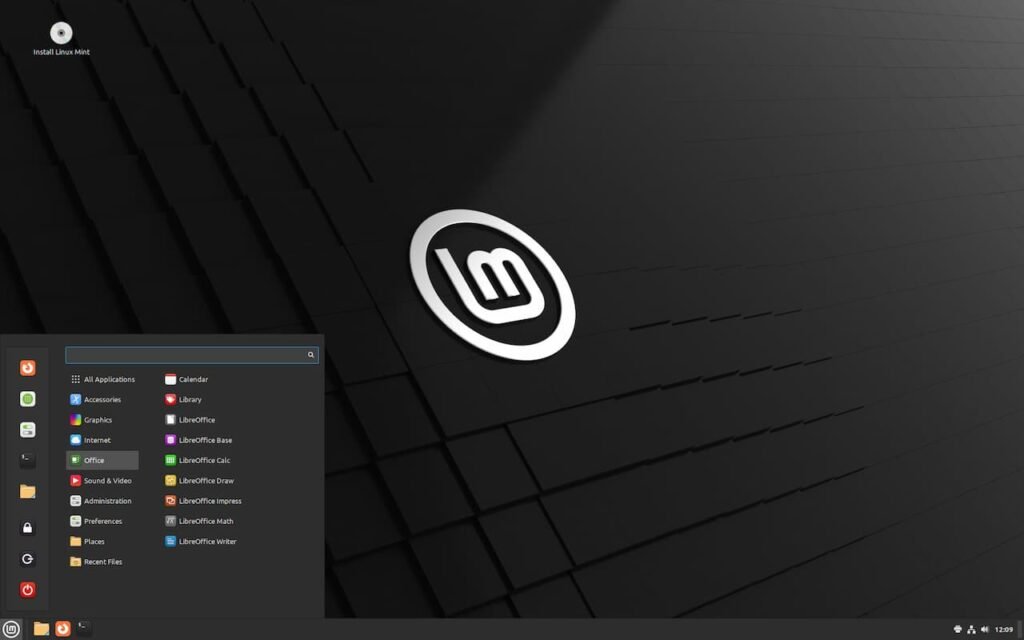
Linux Mint is the de facto Linux distribution for newcomers, largely thanks to the use of a very stable install base, based on Debian and/or Ubuntu. It’s really easy to get up and running, and supports most PC configurations out of the box.
Mint also has a handy software store, which has quite a few free, open source alternatives to existing Windows software.
As Mint is based on Debian, it lacks access to bleeding edge repos and the like, making it a poor fit for certain hardware.
4) Windows 11 LTSC
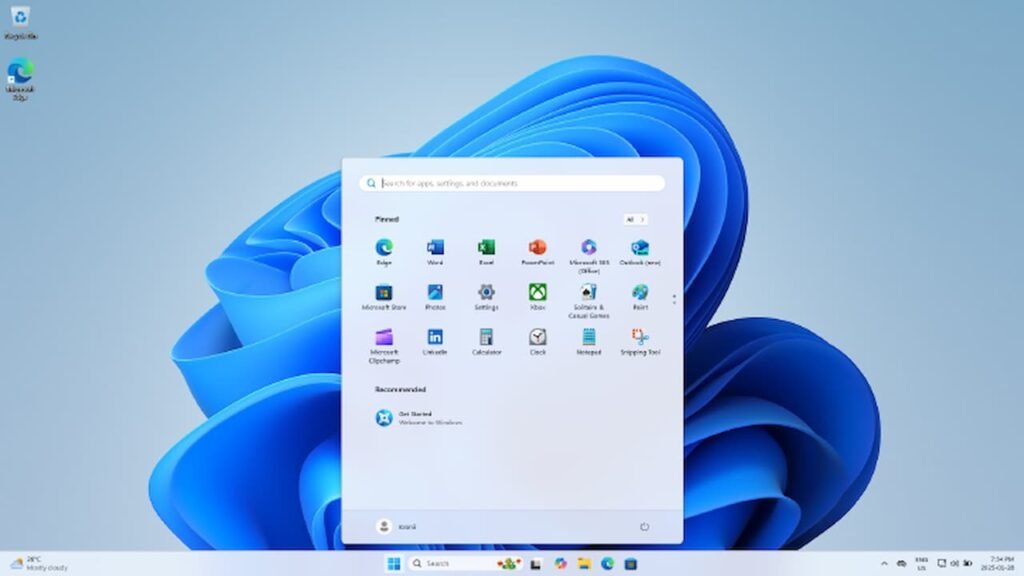
If you are absolutely set on installing Windows, it might be a good idea to have a look at the LTSC versions of Windows 11. Designated as the Long Term Support option, this version of Windows 11 also happens to be far less bloated than the consumer versions.
However, LTSC is missing a few niceties, such as Xbox for Windows, which when combined with its more technical nature can be a bit cumbersome for non power users.
5) CachyOS
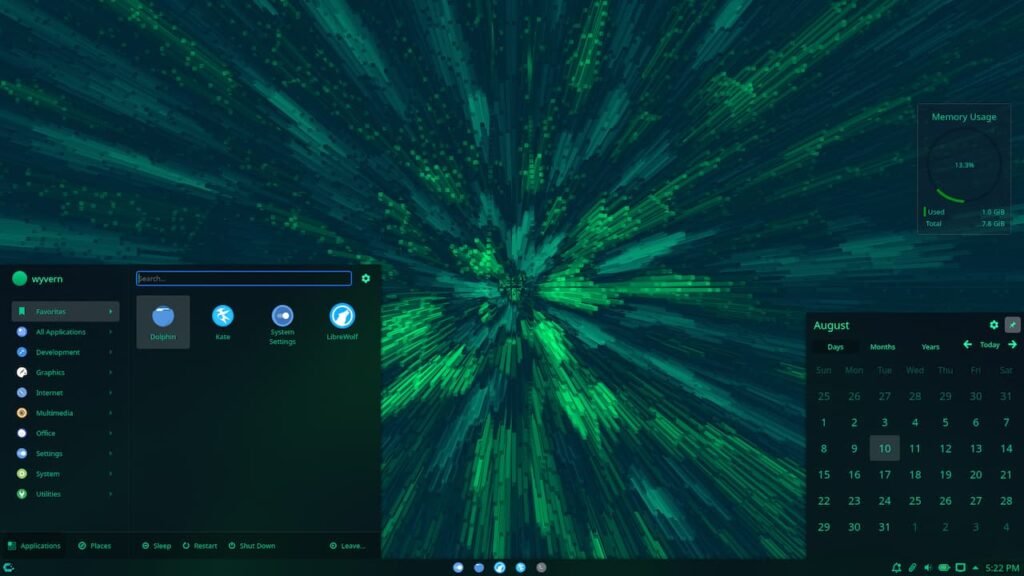
If you love tinkering and want complete control of your system, but lack the time and patience to install something from scratch, CachyOS is a very reasonable middle ground. CachyOS is built on an Arch Linux base, and supports bleeding edge hardware out of the box.
The Linux distribution also has plenty of documentation and offers a pretty cohesive installation and setup wizard that comes with a ton of preconfigured defaults.

