
In the modern video game age, simulators have become a recurring genre. From flight simulation to farming simulation, every imaginable section has been covered. Medieval Crafter: Blacksmith is another new contribution to this ever-growing genre.
This is not to say that Medieval Crafter: Blacksmith is the first ever medieval blacksmithing game. There are countless other such games on Steam just tucked away and waiting for you to search them up.
But then what sets Medieval Crafter: Blacksmith apart from all these games? Well, we are about to find that out. We just got the opportunity to take a deep dive and preview the early access of the game.
Medieval Crafter: Blacksmith does a lot of the things that are essential to blacksmithing simulators, and a bit beyond that. There are influences from RPG game systems that help switch things up.
The Setting Of Medieval Crafter: Blacksmith
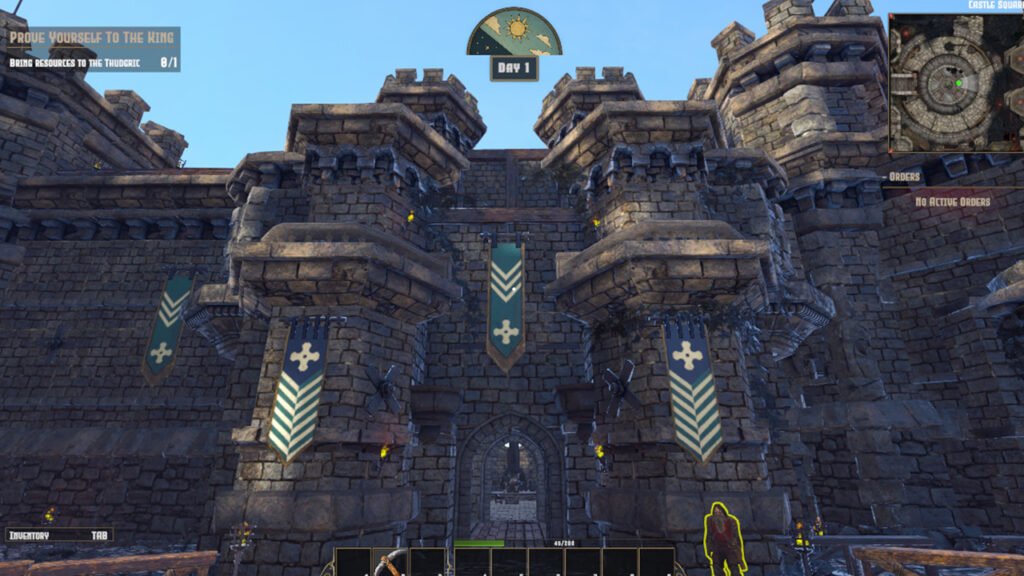
The game starts off by dropping you in the middle of a not-so-unique medieval fantasy world. You begin your journey inside the Castle walls, or the main hub. King Aurelius has summoned you to prove your worth as a blacksmith by completing certain tasks.
This section serves as the tutorial for the game. You are assisted by the master blacksmith Thudgrid Anvilbreaker. Don’t expect to craft anything fancy right away, as your first few tasks will be crafting basic equipment such as horseshoes and shovels.
The more you progress through the tutorial, the more new things you unlock, and Thudgrid will guide you on how to set things up. To forge your orders, you will require materials which you will have to collect on your own.
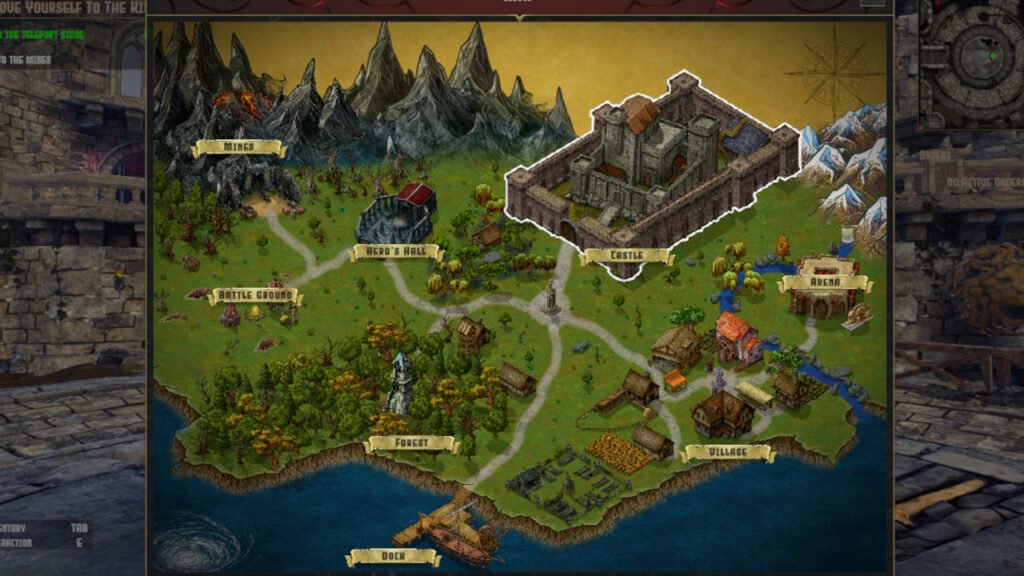
This is another interesting section of the game where you will be given access to the mines, which you can teleport to. After manually mining these materials, you come back to put the pieces together and forge the desired equipment.
A Unique Blacksmithing Experience
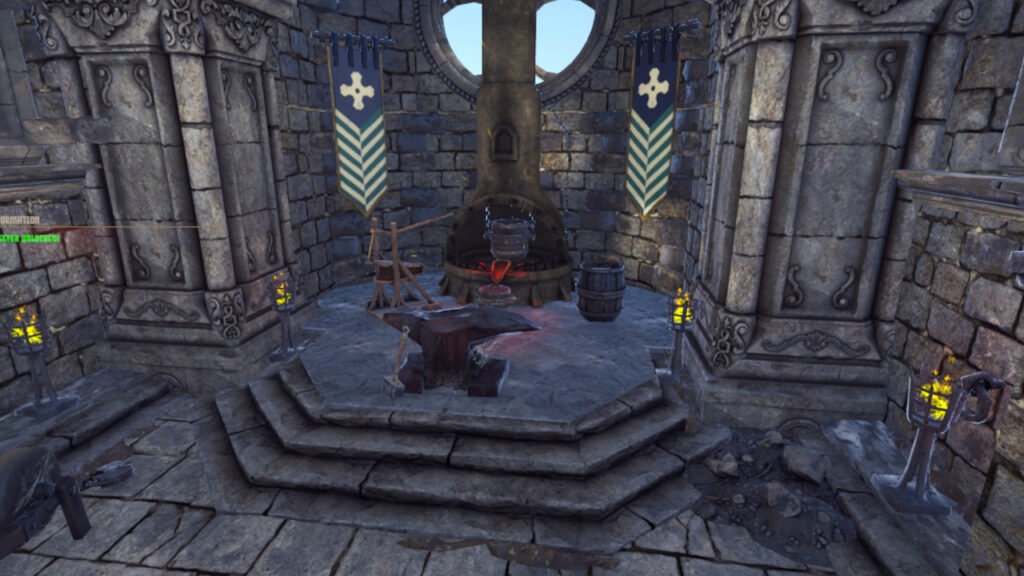
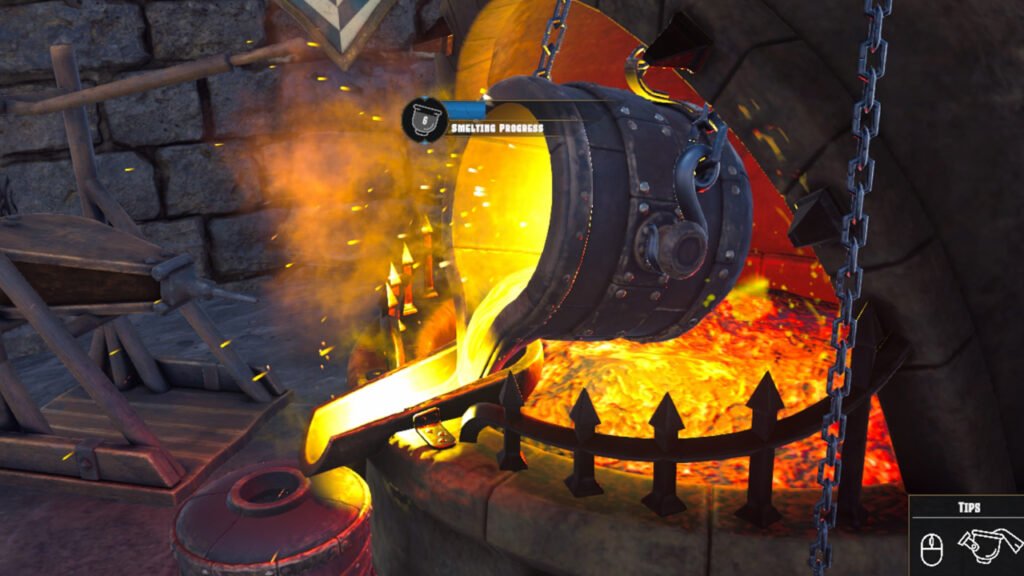
All the elements necessary to simulate the smithing experience are here. You will need to stock up on coal for smelter fuel, and after smelting, you will need to heat the object up. This will then be taken for forging over the anvil with your hammer.
All of this process has been neatly tied into several mini games that realistically depict the smithing process. However, it should be noted that the game doesn’t fully allow players to forge every equipment from the ground up. Much like how you will need to collect materials by mining, players will additionally need to buy certain accessories before assembling them.
Once gathered, players can move over to the assembly table and put the pieces together to create the whole equipment. At times, certain equipment, such as swords, will require sharpening for finalization. Arrangements for that have also been provided in the smithing area.
Overall, this is the basic gameplay loop around which the game survives. You will be receiving customers, and order logs will pile up. You will go back to the turn pages through the recipe book and figure out the materials and combination required to get to the final product, and then collect the reward.
RPG Elements Make The Game Stand Out
But wait, something is missing; it can’t be a successful job simulator without a haggling system. The developers have thought of that as well. When completing customer orders, you can choose to run a haggling minigame.
This can be exploited to acquire a better selling price for the equipment forge. Simultaneously, if you aren’t perfectly beating the minigame, you might lose some cash.
So far, we have been talking about only one aspect of the game. But after this segment, players are introduced to a whole different RPG side. It makes Medieval Crafter: Blacksmith stand out from other such games.
There’s a day and night cycle system, which will test your time management skills in the game. Juggling between customers’ orders, mining in the dungeons, and making sure you always have a steady flow of income.
The Gameplay Loop
Tucked between these management mechanics is the shining crown of this game. The system to hire adventurers and send them on quests. This is the main meat of the game, and managing your recruited adventurers properly will earn you valuable rewards.
Additionally, you can assist your hires by forging armor for them, which boosts reward chances. You will have to maintain your hired adventurer’s gear if you want to ensure you get the best results out of their quests.
This takes us to the repair table, which we will occasionally keep coming back to when an item needs fixing. But soon you will realize that to fix the required item, you will need to gather other materials, and basically, that kicks off another loop.
Initially, the game will feel very barebones with linear quests, but eventually, things will start falling into place. Once customers start rolling in during the day, orders start to pile up, and you will need to rush to mines in order to keep up with materials for forging.
This will make you realize you will require helping hands; you will hire adventurers. They will come back with broken gear that needs fixing. This will pile up more requirements for materials. Then you will need to hire more adventurers, but you will find out that you are running out of money, and then congratulations, you have been fully assimilated into the gameplay loop.
Expanding Your Smithing Shop
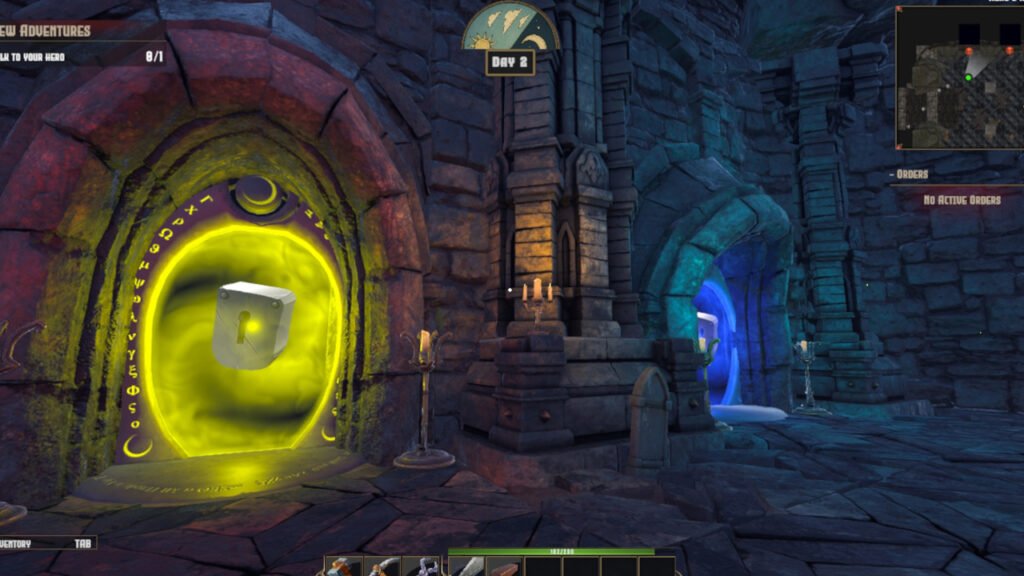
The biggest reward you, as the player, can get out of all this hard work is obviously expanding the scope of your smithing base. The more the game progresses, the more scope and spaces around your shop will open up.
You will have to buy storage spaces for all the extra materials collected so that you are stocked up at all times. Aside from looking after customers’ orders, regular customers who want to buy ready-made weapons and gear will also visit the shop quite often.
Players will have to buy display racks, which customers can window-shop and purchase. It all boils down to a steady source of income.
As we previously mentioned, this is an RPG; there is a functioning stat and levelling system involved with the game’s progress. Your blacksmith character will gain experience points, which can be cashed out for skill upgrades.
There is nothing much engaging to take away from the skill tree. It serves the basic purpose with upgrades such as decreasing the time taken to forge or reducing costs for hiring adventurers.
Quite honestly, even though that is very basic, it is still quality content for a video game in a genre that is completely separate from RPGs. But even after all of this, if the game is not providing you with enough to stick around, then I don’t think you were looking for a Blacksmith simulator in the first place.
Criticisms and Conclusion
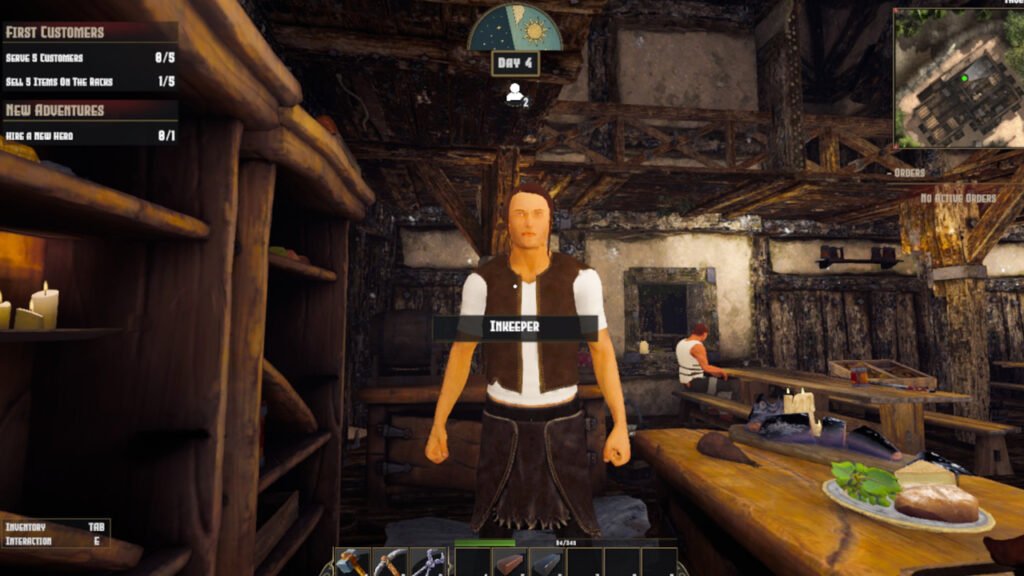
For a team with less than a handful of people, who have come together to create this game, I will have to admit that the hard work shines through the gameplay loop and the really affordable price tag.
If I had to criticize any element of the game, out of all the hours I have spent on this early access so far. Then it would be completely directed towards the art style of the game. An attempt has clearly been made at creating a stylized design, but unfortunately, it doesn’t really reflect well. Some of the NPCs come off very bland visually, with not enough unique designs that would make them stand out.
This also extends to some of the interior designs. Although the greyness of the castle walls looks fine. Some of the wooden interiors look over-textured and, quite frankly, completely burnt to a crisp.
That is pretty much all I had left in me to criticize, because there is one part where the art style does fit and shine. What is the actual design of the forged items? The more the players progress, the more regal and interesting-looking weapon and armor designs will start showing up.
Overall, the gist of it is, if you are looking for a new simulation game that would give you the medieval fantasy experience, then Medieval Crafter: Blacksmith might not be the best one out there. But it surely is trying its best to stand out and provide an experience for a very affordable price.

