
Arknights: Endfield launch comes with a complex gacha economy for the players to navigate. It employs some familiar mechanics on the surface, promising player-friendly safeguards like many other games.
However, a deeper look into it reveals unique systems that are designed for long-term engagement with some stringent rules, significantly impacting players’ investment. This is why understanding the true cost to secure characters as well as weapons is important before one dives into the world of Talos-II.
Arknights Endfield and its layered character acquisition cost
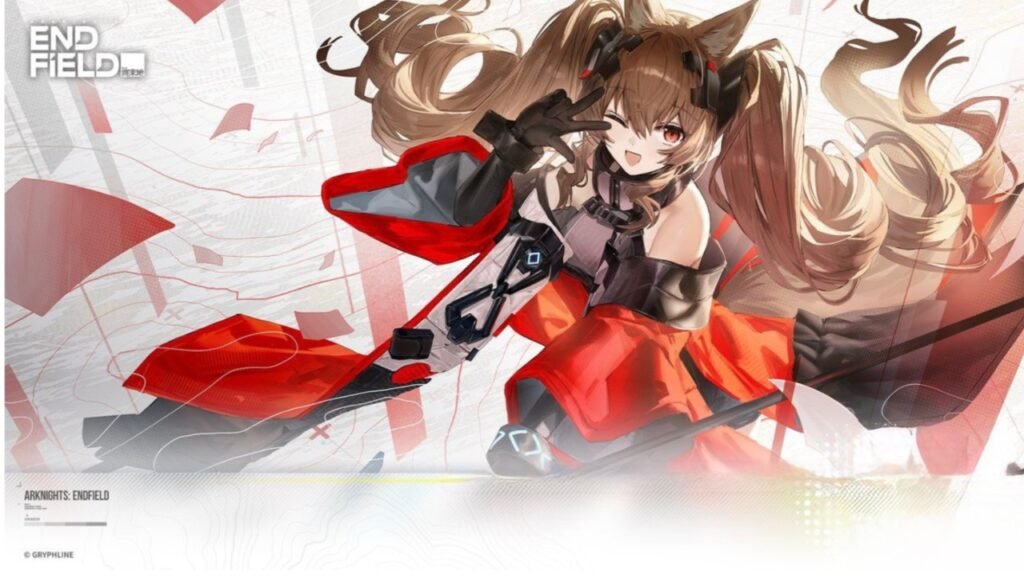
The character gacha system in Arknights: Endfield seems to offer robust protections. However, to secure a top-tier operator within the game is actually governed by this multi-layered system, which requires players to make careful resource planning.
Oroberyl, the primary currency in the game, can be used for character banners, featuring a 6-star pull rate of 0.8%. The first safety net is 80 pulls hard, pity, guaranteeing a 6-star character. However, it all comes with a catch. It offers a consolation prize, which is not just some standard unit. There is only a 50/50 chance that a character pulled will remain featured on the banner unit.
The true guarantee comes with a steep cost of 120 pulls, which is a costly milestone. If the player has not pulled a featured character by the 119th try, the 120th pull will guarantee it. But there is a double-edged sword. It means that while it does set a clear ceiling to obtain the desired character, the specific 120-pity counter will reset with every new banner.
Unlike the 80-pull progress, here progress does not carry over. This “use it or lose it pressure” will force players to commit to 120 pulls in a single banner period or just lose their progress towards the guarantee.
Note: For the free-to-play players who are carefully saving resources, missing the hard cut-off will feel punishing. It will turn a safety net into a potential resource sink.
Weapon banners, strategies, and a separate economy
Weapon gacha operates within a completely different sphere, using separate currency or the Arsenal Tickets earned by pulling character banners—an indirect link means that building an optimal loadout of a character is inherently tied to one’s spending on Operators.
It initially feels consumer-friendly, as it does not force the players to split premium gems between gear and characters. The six-star weapon rates are quite significantly higher at 4% too (with a guarantee of every 40 pulls), as compared to 0.8% for the characters.
Despite all, the system comes with stringent caveats. The pity for the weapons does not carry over between the banners. So, if pulls do not reach the guarantee, they will effectively get lost as the banner will change. Together with a need to first invest in character banners for earning tickets, the system here creates a compelling loop that could quickly escalate the investment of players.
It thereby shows a clear layered approach to the monetization wherein engagement within one area would directly fuel the grind within another. In simpler words, it’s a high-risk environment that discourages smaller and incremental spending. It pushes players to stockpile a larger arsenal of tickets before they engage.
Navigating Arknights Endfield’s aggressive monetization
Ultimately, the game’s gacha system walks a very fine line. All its safeguards are visible, but they are gated within non-transferable, stringent conditions. From character to weapons, everything here is not just some luck.
It is about strategic resource planning under very tight deadlines. So, for discerning players, the system of this game demands careful calculation. As for impulsive players, it is a blueprint for rapid investment. Within the crowded gacha landscape, the model of Endfield stands out not for generosity but for thoroughly engineered, long-term hooks.
The predatory aspect of the game lies within inflexibility as well as the silent pressure of resetting pity counters. It thoroughly rewards players’ planning, while punishing impulsive spending or any last-minute attempts. The game also does not just sell characters, but is a necessity of strategy and better foresight.
This binds players’ engagement to a calculated saving and spending calendar. So, whether it is a fair trade or some subtle trap, it’s entirely dependent on the tolerance of players for strict and non-negotiable rules.

