
‘Friendslop’ is one of the newest slang terms in gaming that you might have come across in recent years. And while it may sound derogatory, which it probably was at first, the word has eventually become a household term referring to some of the most beloved indie titles.
If you have not guessed it yet, it’s a term coined by the internet for a particular segment of multiplayer indie games that are a blast to play with friends. Initially popularised after the hit indie multiplayer survival horror ‘Lethal Company’.
It slowly started turning heads and became one of the most entertaining titles in the streamer community. Although ‘Lethal Company’ is not technically the first friendslop game. Titles such as Nintendo’s Mario Party or Mario Kart came out decades ago and are equally deserving of being attributed with the term.
They are the exact kind of cooperative games that required multiple people to play together in order to fully unlock their potential. The only dissimilarity being that these were non-independent productions.
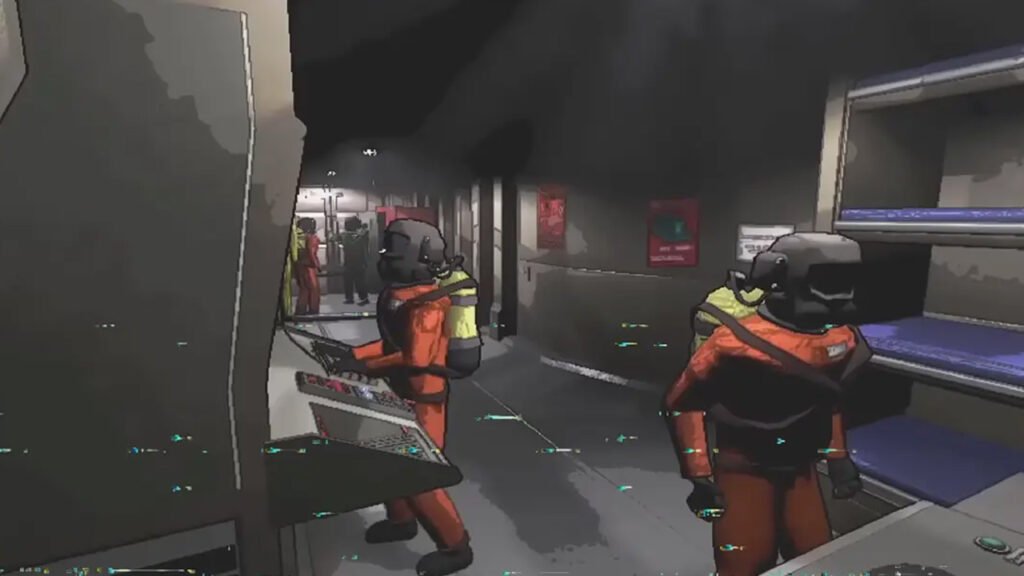
Low budget games that require friendly cooperation
So you see the ‘slop’ part in ‘friendslop’ is essential. This particular genre of games is low-budget independent productions which got overtly popular. So to the outsider or someone who never got into them, it will look like absolute slop.
Although personally, after having spent an ample amount of time on these games, I can vouch that there is never a dull moment. The very cooperative nature of these titles force every new game situation to feel super fun and unique.
Add to that the minimum-budget production with 3D models and animation that look like they are from the bygone era of sixth-generation gaming consoles. And viola! What we have is the perfect recipe for lo-fi gaming entertainment.
But how did this happen? Why did Friendslops start getting popular? Because we have seen that the majority of the gaming fandom is always leaning towards AAA budget titles. Sticking to games that are only being churned out by developers known by everyone in the community.
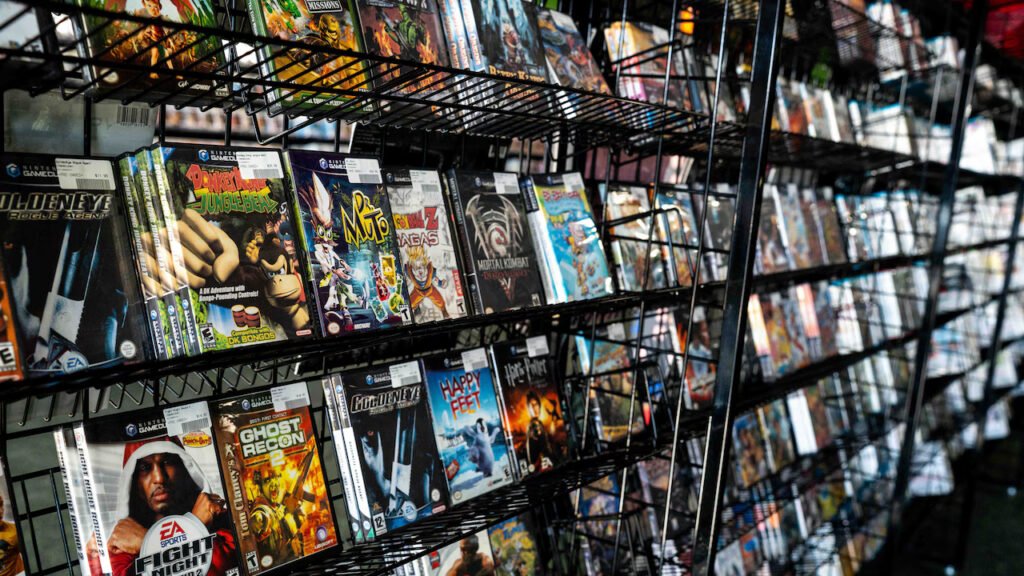
Well to answer all of that we need to delve into the current state of the video games industry. Gaming in general has always leaned towards promoting titles that have massive industry backing behind them.
Gaming is becoming increasingly luxurious
Every time there is a major gaming event slated to announce new projects, fans are usually only eager to respect high-budget popular titles that are a household name. Any new project not up to the standards of high-fidelity visuals is immediately shafted as a snoozefest.
But most have started to realize that unlike commercial movies, chasing after these high-budget titles does not come easy. Especially not in the current day and age. Gaming is one of the costliest hobbies to have, and it keeps getting more and more expensive every day.
Long gone are the days when gamers could choose cheaper options like buying a console for gaming instead of scrambling to assemble a PC. The price of the tech keeps inflating, and AAA games are no longer restricted within the 60$ price tag on release.
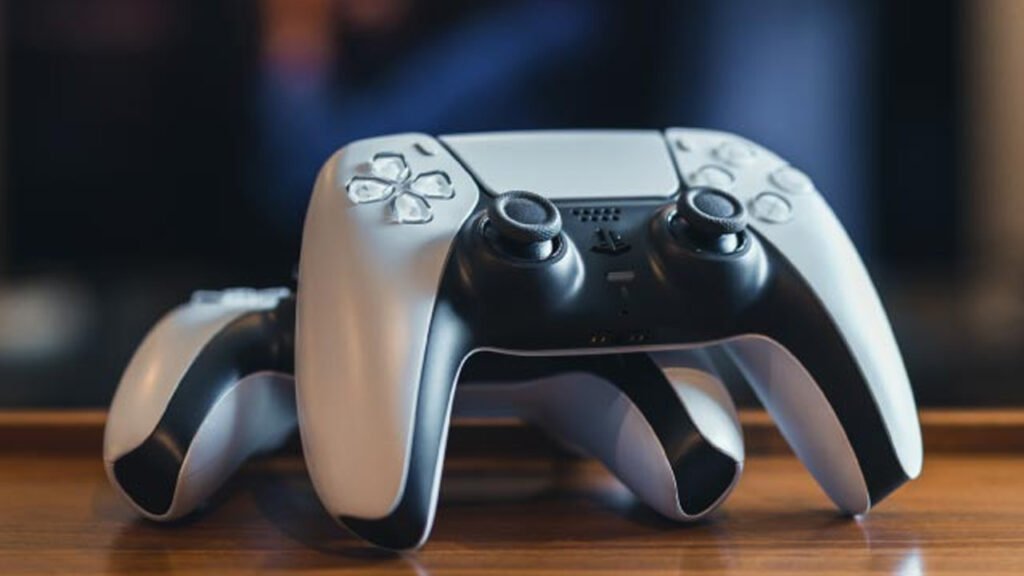
PlayStation 5 during its launch was a $500 console, with a disc-less edition going for $400. The same console now costs abysmally high, with its Pro version being priced at $900.
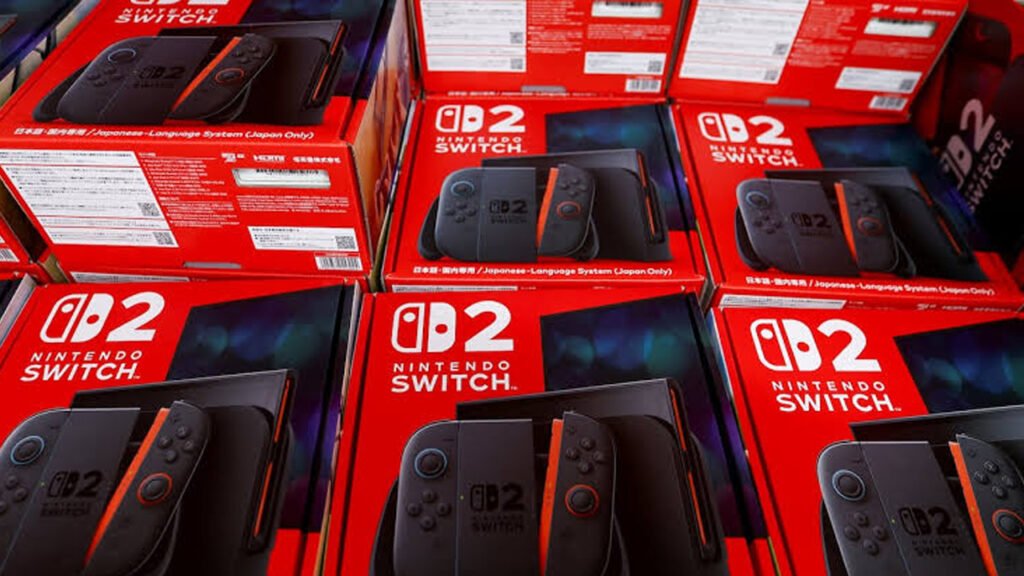
It’s the same situation with Xbox and Nintendo; both current generations of consoles saw the most jaw-dropping leap in price. And do not even get me started on how costly PC gaming has become.
Regional pricing of video games has skyrocketed
Chasing after video games was already a premium hobby throughout the ages. We have all been through the cycle of expecting someone to gift us that one video game. Or wait and grow up so that we could pay for it ourselves.
But unfortunately, things have gotten so bad right now that even earning individuals are having to think twice about their gaming purchases. And as I mentioned, the problem is not limited to the consoles themselves either.
Video games themselves have seen a leap in price over the last few generations. Last year, Nintendo got ostracised for its obnoxious price tags on Switch 2 release games; the community already had their boots on the ground complaining about the increasing price of titles in general.
Around 2020, major video game companies announced an increase in the base price for their games, going from $60 to $70, which evidently raised a lot of eyebrows. Now, a $10 increase might not seem much on paper if you are living in the US, but it was significant in the greater context of worldwide regional pricing.
It was found that a mere $10 hike was pushing games to become costlier than minimum wages in some parts of the world. This rendered gaming close to becoming a luxury hobby in most regional markets. And not to forget, this was just the increased pricing for base game editions.
Meanwhile, deluxe or ultimate editions would almost touch the $100 price tag. Now this gets even worse when we catch up to the present-day scenario where companies are slowly leaving physical media behind.
The loss of physical media in gaming
In order to minimise costs, PlayStation has already been hinting at pivoting towards a digital-only era ever since the release of their disc-less console. Other companies had also been trying to take a crack at the digital video game ecosystem with subscription-based services.
Xbox had found success to a certain degree with their Game Pass subscriptions, but they knew pretty well that a majority of the audience base would rip them apart if they double-dipped on the pivot.
Nintendo joined the bandwagon when they started releasing Switch 2 physical game boxes that came with a key card and no cartridge. Now this was a significant point in the recent timeline when the discourse was reaching its boiling point.
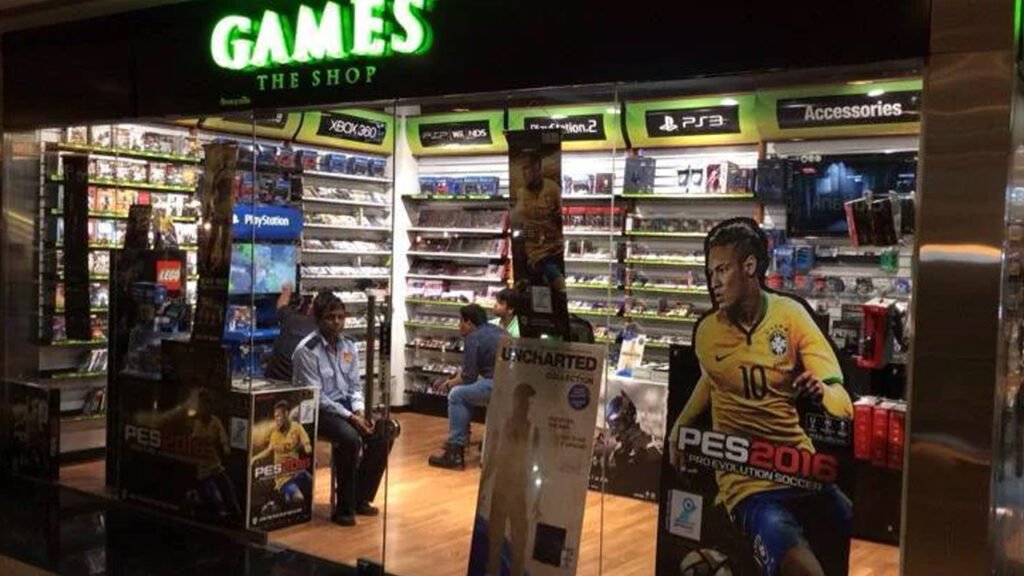
The gaming community was done keeping silent about this treatment and would finally start to speak up. Every major publisher releasing their Switch 2 version of a game got bombarded on social media with criticisms around the key card controversy.
For a while, it was starting to look like the major publishers would give in to the demands. Until early this year, when PlayStation officially made a blog post announcement declaring that they would go full digital starting in 2028.
Sony has decided to usher in the age of digital media
Now this was massive; no one on the consumer side expected it, since backlash from the community usually tends to be successful. But the timing around when Sony dropped this announcement made it seem like they were aiming for the final nail in the coffin.
The fears eventually became real, because even though they had been receiving an enormous amount of backlash, Sony has officially announced that protests and boycotts will not hinder their plans.
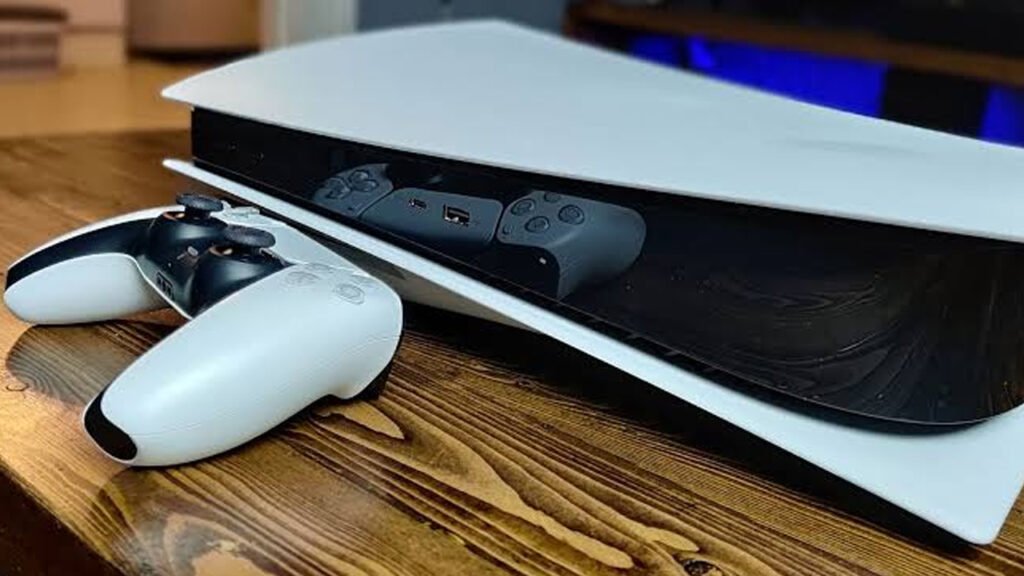
So if one of the biggest console manufacturers is going to usher in the digital age without facing consequences, then I am not entirely sure if anything can stop the others from following suit. This means that we are looking at a future where gamers will officially be paying more money than ever to pay for just digital game releases.
With no control over second-hand physical game reselling, everyone will be forced to buy a video game for the full price even after it has been released a decade back.
AI data centres have been hogging supply chains
Now, as annoying as all of this sounds, there is one major reason for the gaming industry slowly drifting towards this kind of future, and that is AI.
As game development costs keep rising due to the demand for high-fidelity experiences, so do the prices for hardware that actually run them optimally. There is demand in every corner but it is not being met by the respective supply chains.
This is because of AI data centres, which are hogging the major memory supply chains all for themselves. Thanks to the modern AI revolution, global manufacturers have decided to invest their resources in them.

Once these corporate giants started their push towards tapping into the finite amount of semiconductor resources, it created a perpetual tug of war with the consumer memory supply chain.
Manufacturers have deicded to side with the corporate overlords
Semiconductor bases are required for the production of Flash chips and DRAMs, which are essential for all sorts of computational devices, such as laptops, gaming consoles and mobile phones.
Now with global manufacturers siding with data centers, the consumers are being left completely blueballed. Prices of existing consumer hardware is skyrocketing, which brings us to the present, where you will have to pre-plan your savings if you are looking to just buy a new RAM stick.
And that answers why its so hard to get into gaming in 2026. It’s not as easily affordable anymore. Major publishers are switching to digital alternatives, abandoning physical media to cut costs because of the rise in developmental costs.
The COVID pandemic was an important time for indie co-op games
However, not everything is lost. Suppose we look at independently developed titles from smaller creators. These are games that have been running on fairly not-so-demanding hardware and have been around for decades.
Some of these have even been getting the biggest award nominations. But do these games completely solve the problem at hand? Because only one in many hundreds of indie titles has been driving successful sales numbers.
The majority of the gaming audience is hooked on commercially successful big-budget games. At least until recently; thanks to the streaming culture, something changed, and this is exactly when we started seeing the ‘friendslop’ side of indie games coming into play.
As horrifying as the COVID pandemic era was, the lockdown period massively contributed to the rising interest in cooperative game streams. After all, what’s better than locking yourself in your room with only co-op multiplayer games to play with friends over the internet?
Games that ushered in the age of friendslops
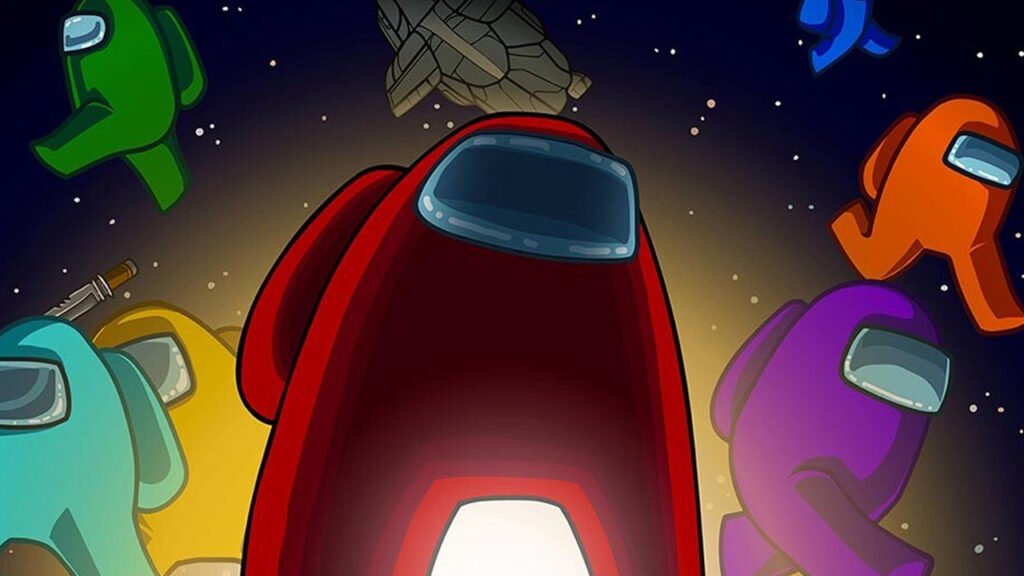
The first of these games to actually come under the limelight was Among Us. A game that demanded social deduction, forcing players to actively participate in communicating and finding out the so-called ‘imposter’. A pretty simple premise but extremely effective.
It has been a long time since Among Us was released, but it is still remembered as one of the most popular intellectual properties from recent years. It even looked like a Flash mobile game from the bygone era.
The game really showcased how much potential ‘friendslops’ carried. But a lot were also questioning if the hype around this genre would be short-lived because the COVID lockdown was coming to an end. Little did people know that it was about to get even bigger.
Ever since Among Us, there was a rise in the development of not-so-demanding cooperative party games. Fall Guys was a pretty big example back then, reaching significant popularity and fame with collaborations, but it also went away pretty fast.
Lethal Company becomes one of the most played stream games
It took a while before something could effectively contend with what Among Us had set in motion, rightfully claiming the term ‘friendslop’ as its true definition. In October 2023, American developer Zeekerss released a very interesting multiplayer game called Lethal Company.
It was a horror survival title which encouraged cooperative play with proximity voice chat. The game never really stood out from the initial images on its store page. What was displayed essentially looked like a very low-effort video game.
The premise was pretty simple; the player character dons a sort of hazmat suit along with others, travelling to abandoned exmoons in order to scavenge and bring back scraps and junk.
What made it tricky is the various kinds of anomalies lurking out there to get you. And with no proper system mechanics to defend or fight them back directly, Lethal Company can at times become a horror experience.
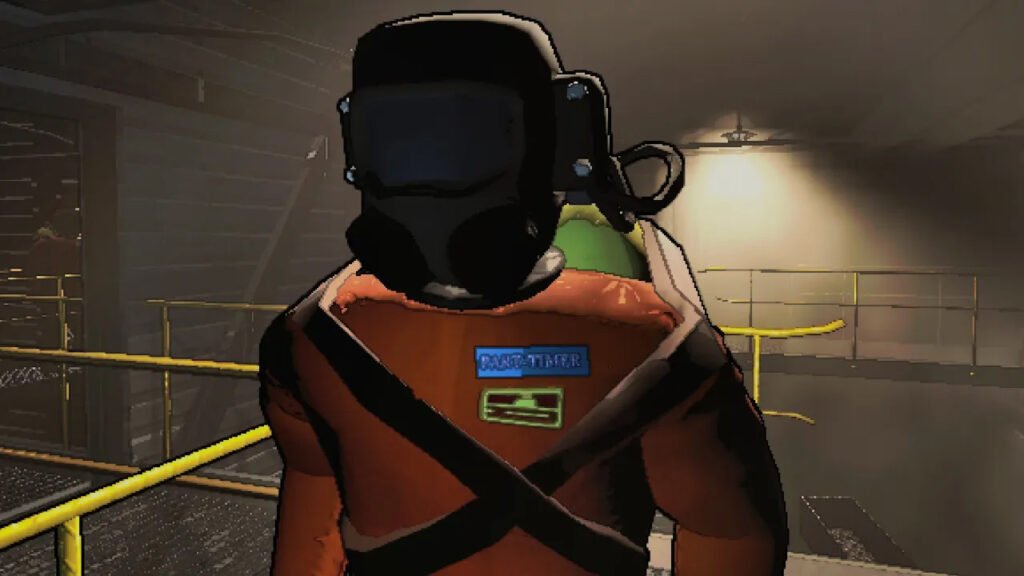
The kicker is that you don’t have to experience this horror by yourself. You can bring along your friends to have a shared fun time. It may still not sound all that impressive because cooperative horror games are not new to this medium.
But if you have ever tried playing the game with friends a few times or have seen the numerous viral clips floating around, then you know exactly what it is like.
The game went on to win awards and inspired more friendslops
Lethal Company actually achieved the unimaginable. It became one of the most streamed co-op indie games for the current decade. And it did it without looking like something that would be considered the paragon of modern high-budget gaming.
2024 was a wild year for the game; it went on to sell over 10 million copies, all while being nominated for and winning multiple awards. These included the Streamer Game of the Year and a nomination for Steam Game of the Year.
Lethal Company is what made social media coin the term ‘friendslop’ shortly afterwards. It can be rightfully attributed as the catalyst for what kicked off the low-budget cooperative horror game craze.
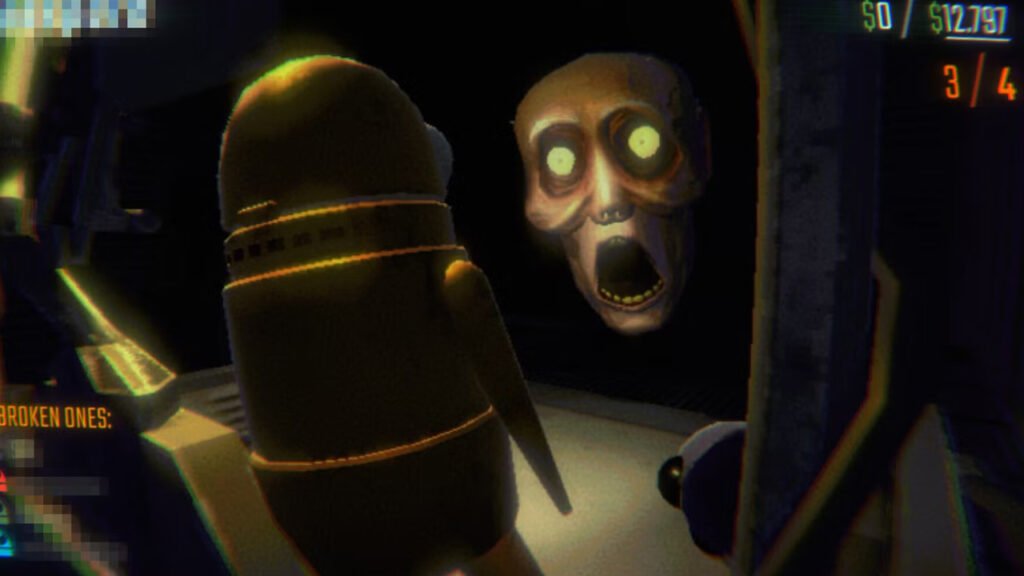
What came afterwards only went on to further build on its reputation, even slightly tweaking the experience. Games like R.E.P.O. tapped into what made Lethal Company pop off among streamers and took it to newer heights with animated character expressions which would react to voice chat.
Friendslops and indie games continue to stay relevant
The premise was shifted from exploring abandoned planets to haunted institutions. Even if there is no checkpoint system and party wipe resets the game, each and every new run is a unique enough experience that will linger in your memory.
R.E.P.O. went on to win the Golden Joystick Awards for the best Early Access Game. It still has a record number of active players today.
These titles went on to prove that there is still room for games with low budget and effort put behind them in 2026. If developers can find the perfect viral thing that clicks with gameplay, then the artificial barrier to entry created by demanding graphics is absolutely erased.
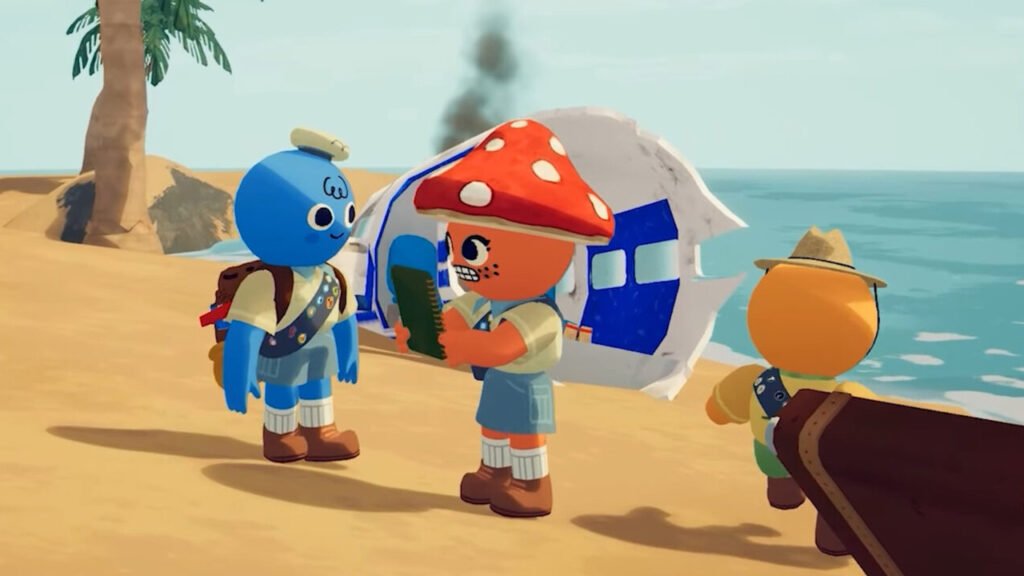
Friendslop as a genre, continues to reinvent itself with games like Peak, which peaked at 5 million sales in its first month of release. Matters like AI data centres will come and go, but Friendslops have shown that all is not lost for the simple hobby of gaming.
Even with minimal expenditure and dated hardware, you can get the most out of video games in the current era. You just have to take a step back from your AAA comfort zone and explore the beautiful world of independent games with your friends.

