
The shutting down of Ensemble Studios, the creator of Age of Empires, and the cancellation of its Halo MMO, Titan, have been a painful chapter within gaming history. For many years, while the official reasons have never quite added up, a recent shocking new allegation coming from a former developer suggests a whole new information. As per it, the entire decision wasn’t driven by creative differences, but was a move to secure an executive’s personal bonus, sacrificing a billion-dollar potential game in the process.
Sandy Petersen suggests a private bonus killed Ensemble Studios
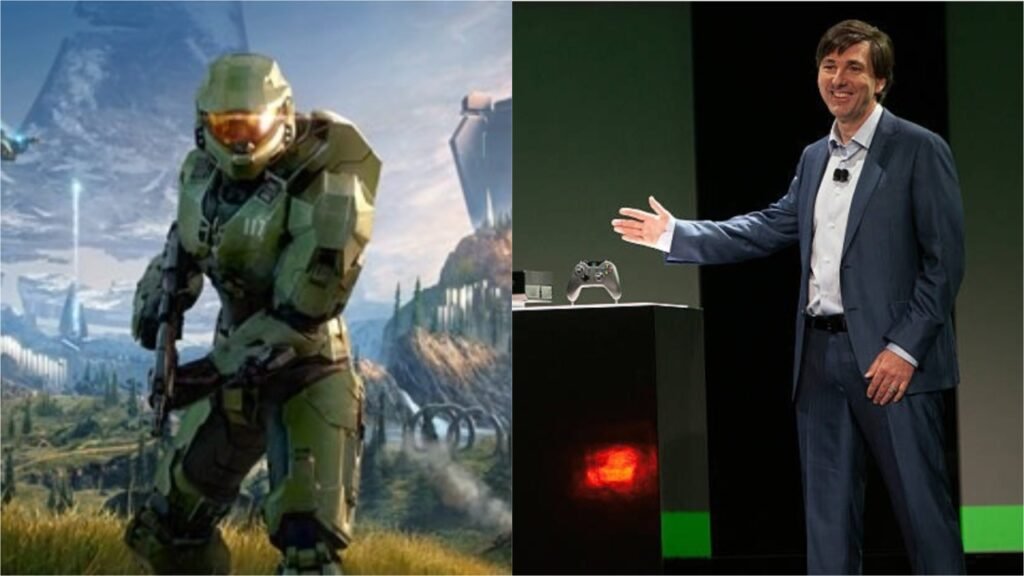
As per Doom Designer Sandy Petersen, one of the veteran developers, the fate of the studio was sealed by Don Mattrick and his contract. As per claims of Petersen, the executive stock bonus of Mattrick was tied directly to Microsoft’s gaming division’s profitability, in a 3-year window. The massive Halo MMO, though, was estimated to need at least 3.5 years of development. It created directed conflicts.
Keeping Ensemble Studios’ expensive team funded to completion would have jeopardized the short-term financial target. It would also have been beyond the personal financial deadline of the executive. The allegation of Petersen was blunt—”cold calculation” was made by Don Mattrick. As per him, “He didn’t care about Titan.” For him, the game’s potential was irrelevant, right next to all immediate financial metrics that governed personal compensation of his.
The decision, or rather the alleged solution, here was to shut down the entire studio, eliminating major costs. It also included protecting the short-term profitability metric, which would trigger the bonus of Mattrick, even if the same meant killing a project with such enormous potential.
What is the Don Mattrick’s financial connection Sandy Petersen talked about?
The entire accusation is hinged on the direct clash between short-term executive rewards and long-term development of the project. Ensemble wasn’t any ordinary studio. As pointed out by Petersen, they had a stellar track record and with every title that was shipped by them, a minimum of 3 million copies were sold. Their projected Halo MMO was considered a golden goose, with conservative internal estimates predicting $1.1 billion in its revenue.
Yet, the future income was nothing if the same arrived after an important 3-year bonus period. The ½ year gap between the development timeline of the game and the “drop-dead date” of the executive was insurmountable. The decision, as it was presented, frames the choice between guaranteed personal payout and risky, despite being promising, future return for Microsoft and stockholders—a choice, as per the narrative, was made in favor of the bonus.
Legacy of what truly could have been
The decision’s fallout had some lasting consequences. Ensemble Studios’ dissolution did not just end Halo MMO but also scattered most talented strategy game studios in the industry. While there are some team members who formed new companies, Titan’s specific vision got lost forever, surviving only within leaked concept art as well as frustrated accounts of creators.
For the gamers, the account of Petersen transforms closure from just a simple business misstep to a corporate priorities story, overshadowing creative ambition as well as long-term value. The entire allegation paints a picture where a single executive’s bonus pursuit allegedly outweighed the proven studio’s future and the future of a game that was projected to generate over a billion dollars. It left a “what if” permanently in gaming history.

