
There are a lot of amazing manga out there that, unfortunately, have terrible anime adaptations. The factors dominating this sort of scenario are not isolated to just the fanbase being stubborn. Sometimes the production behind these shows is also to blame.
In the following list, we shall be taking a look at some of the really successful manga series from the past few decades, which were not lucky enough to get appealing anime adaptations.
Best Manga That Have Terrible Anime
One Punch Man Season 3
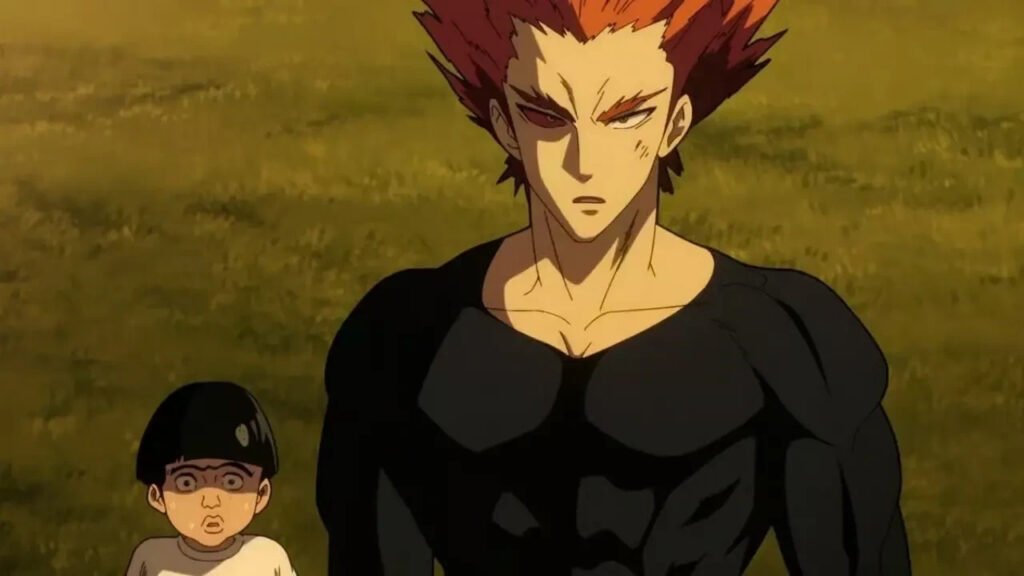
Yusuke Murata took One’s creation and elevated it to newer heights with his iteration of One-Punch Man manga. He gave most of the iconic characters in the series their own attractive desings nwhich made them stand out.
The series was set for an amazing adaptation by studio Mad House, and with season 1, it knocked things out of the park. The same cannot be said about the subsequent seasons of the anime, which were undertaken by a separate studio.
Things have not been favorable for the fans, especially in season 3, which has been criticized for terribly adapting some of the scenes from the manga. Some of them are outright missing the details.
Berserk 2016
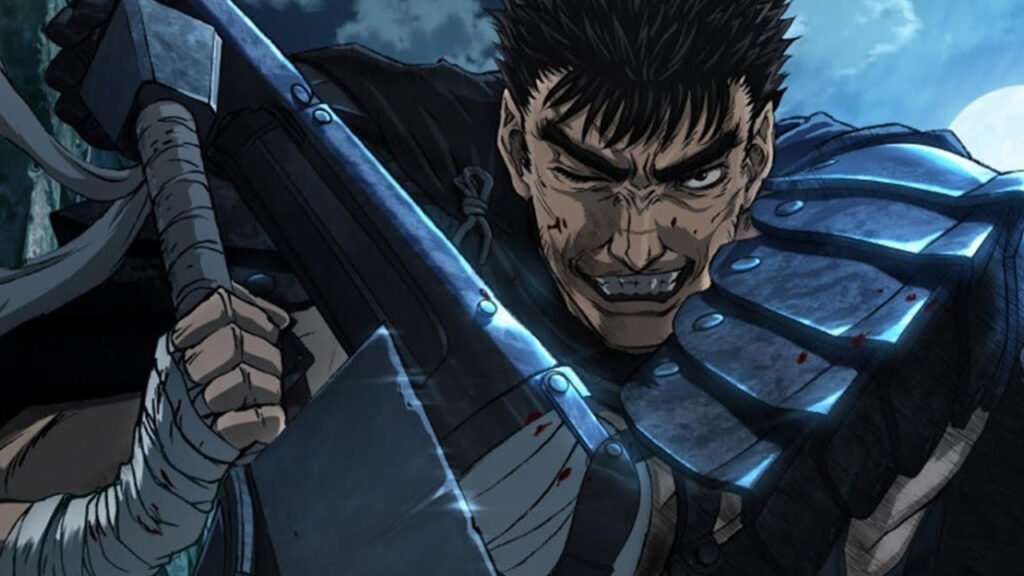
Late Kentaro Miura’s Berserk does not require any introduction. Time and time again, it has been regarded as one of the greatest pieces of dark fantasy fiction in the manga and anime media. Its popularity spans across generations and other pop culture media.
What is sad, though, is that the manga still has not peaked in terms of anime adaptation. The old adaptation of Berserk may have been a cult classic, but in the modern era, almost all the adaptations have pretty much failed in capturing the hyped of the manga.
The biggest culprit is Berserk 2016, which made an attempt to adapt the source material with some atrocious 3D visuals that ended up labeling it as one of the worst anime ever.
Gantz
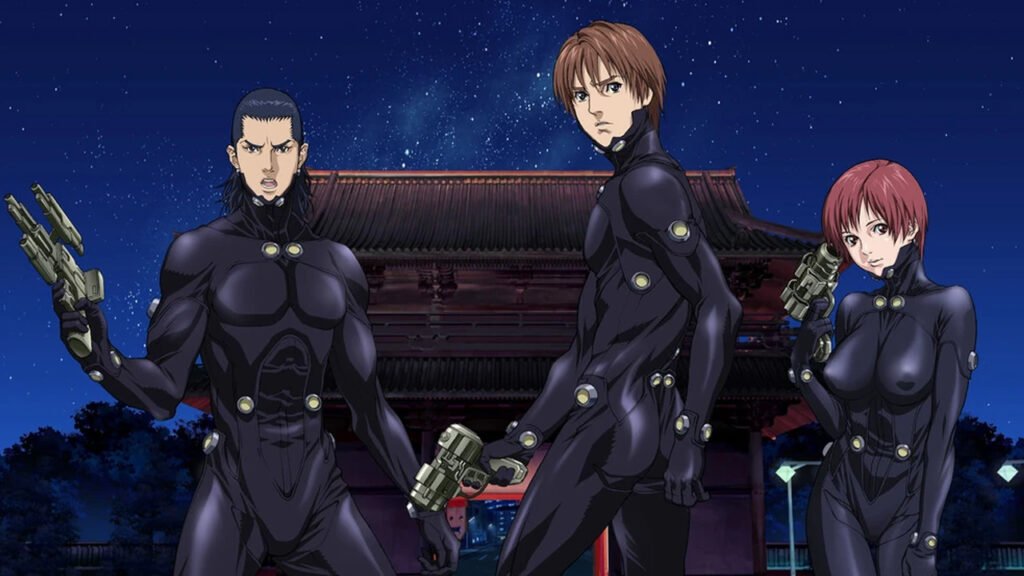
Gantz has a niche following among manga readers who are always on the lookout for hardcore seinen material to read. Hiroya Oku, the creator, is definitely one of the most talented manga artists around. But he also has some questionable practices when trying to bridge the gap between fan service and the actual age demographic.
Regardless, our point is not to critique the decisions of the manga creator. Rather, this one is about the terrible anime adaptation that plagued the franchise in the mid 2000s. Easily regarded as one of the worst animated media to come out of the IP, so much so that most don’t even remember that it ever was adapted.
Junji Ito Collection
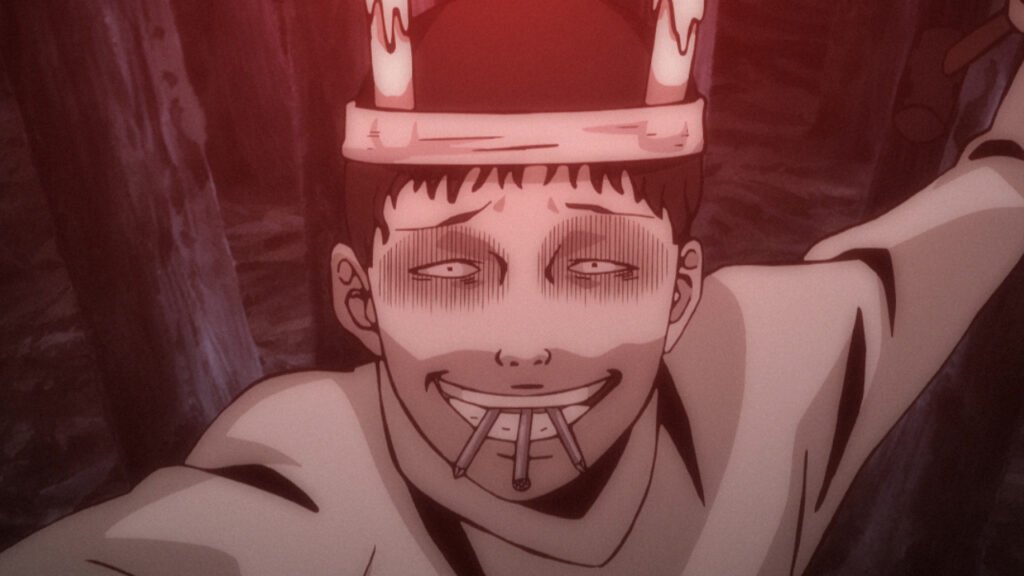
Buckle up for this one because Junji Ito’s works are actually cursed forever to never receive a good adaptation. Junji Ito Collection by Studio Deen was an attempt to adapt some of the artist’s individual stories in an episodic animation format.
But unfortunately, it seems the studio failed to recapture the same feel as the actual horror that the pages of Junji Ito’s manga evoked. Although fans don’t outright hate it, The Junji Ito Collection was vastly perceived as a mediocre adaptation.
Uzumaki
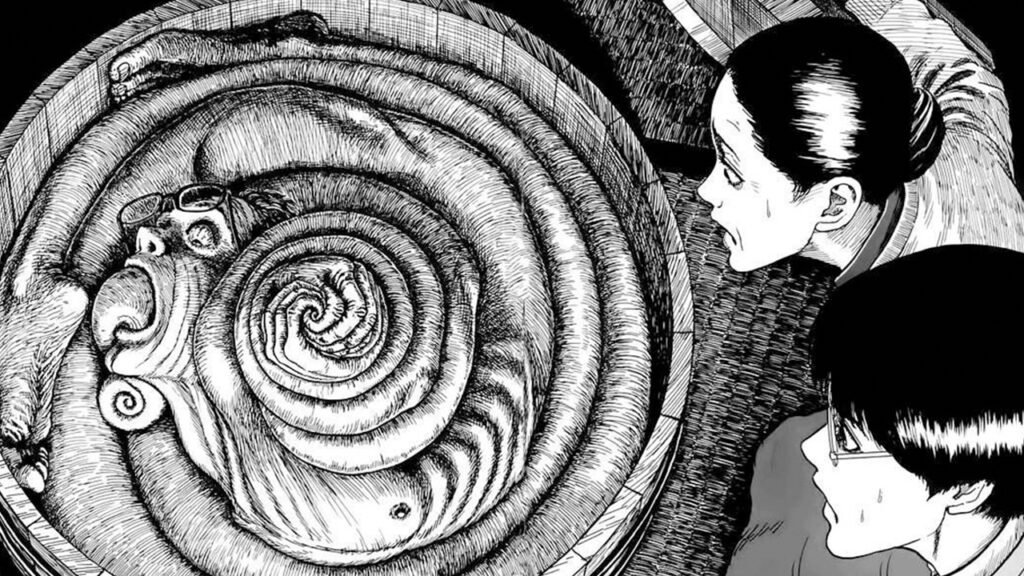
Out of all the Junji Ito adaptations, nothing could have prepared the fans for the downfall of the Uzumaki anime. The minds behind the adaptation marketed the new show as the perfected version of Ito’s works.
With incredible animation, a black and white style that seems to have been ripped right out of the source material, and an incredible soundtrack. For the first episode, things were actually looking really great, until we moved on to the subsequent ones, everything fell apart.
The word around the production hinted at internal discrepancies, which ultimately led to the loss of quality animation in the later episodes, reducing the anime to a cheap slide show.
The Seven Deadly Sins
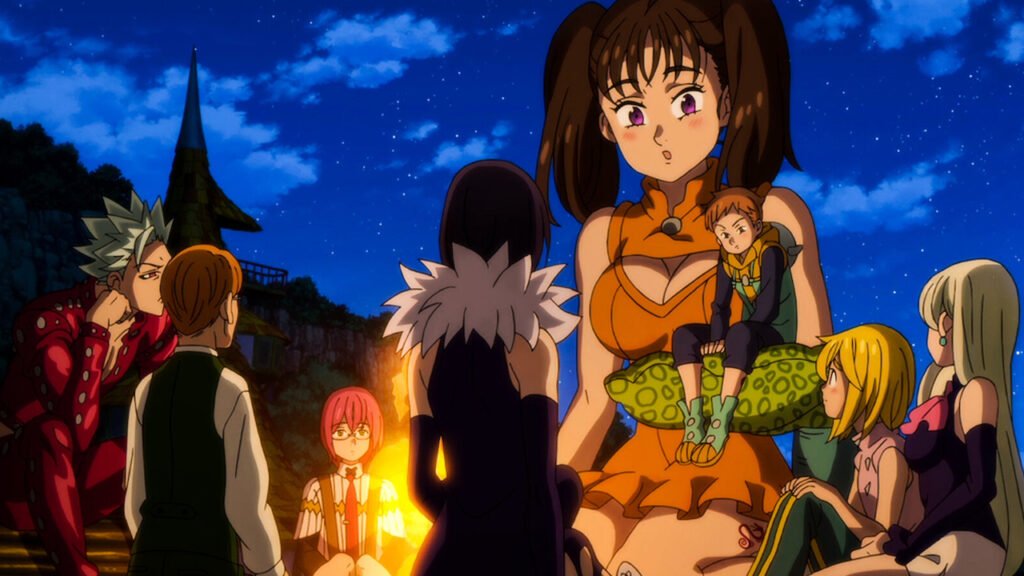
The Seven Deadly Sins or Nanatsu no Taizai, as it is translated in Japan, was a fairly popular series that reached its height of popularity around mid 2010s. Standing beside some of the big names among shounen anime.
But unfortunately, popularity like that can be mended and broken at the same time. The anime adaptation of the manga had a decent uphill beginning, but it completely fell apart in the subsequent seasons.
To the credit of some absolutely atrocious scenes from the anime that made it look like complete newbies were involved behind the product.
The Flowers of Evil
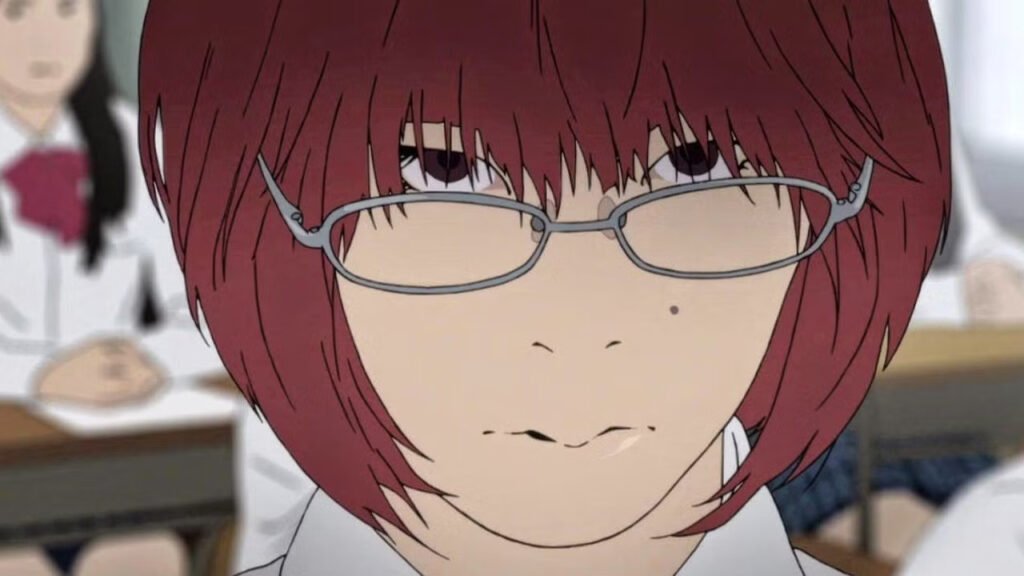
Anime studios are lucky to sometimes get the liberty to strive for a unique experimental artstyle that shifts from the designs in the source material. But this comes at a cost of dividing the fanbase, which is natural as they cannot please everyone.
But in the case of The Flowers of Evil, the whole anime community took up arms to rip it to shreds. Even though the studio went into production with the good intention of pushing boundaries, they missed the target audience by a mile because of the awful artstyle.
The Flowers of Evil leaned on rotoscopy with animated drawings on top of live action footage, and we can’t be certain if it was a job badly done or if it just didn’t fit the bill. At the end of the day, fans of the original source material will always tell you to avoid the anime.
The Promised Neverland
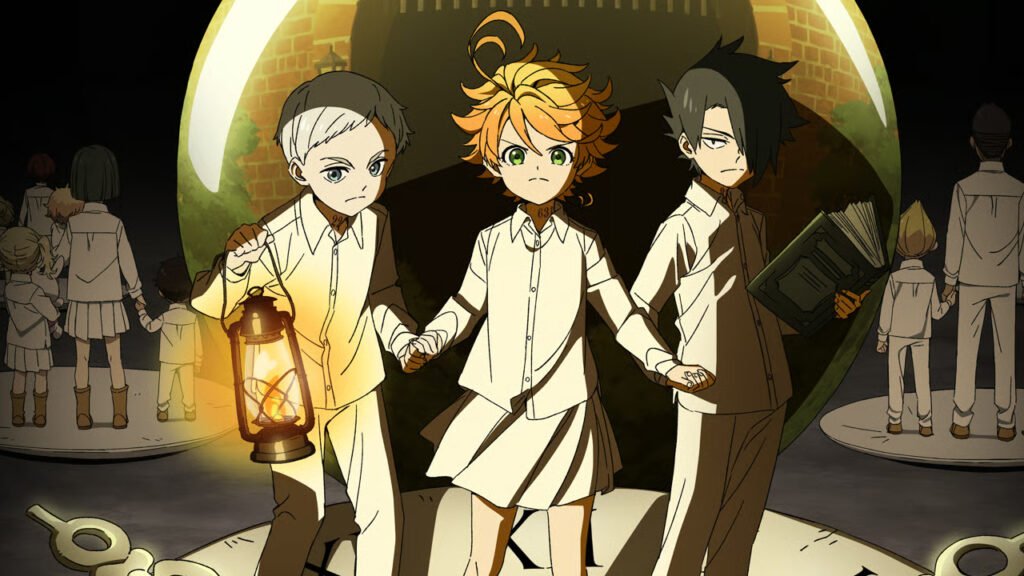
Most of the anime are pretty much the victims of misfortune on the production side. Some creators may have gone in with the intention of elevating the source material, but failed at it. But there are times when it’s the production of the anime that butchers itself by going over the rails.
Such is the care for the dark fantasy anime The Promised Neverland. An endearing coming-of-age show about orphans trying to escape captivity in a dystopian setting. Everything was looking up for the show until season 2, when the production decided to derail the adaptation by omitting key story arcs.
Fans were outraged by this decision from the studio sighting how some of their favorite plot points were now missing in favor of rushing the production.
Tokyo Ghoul
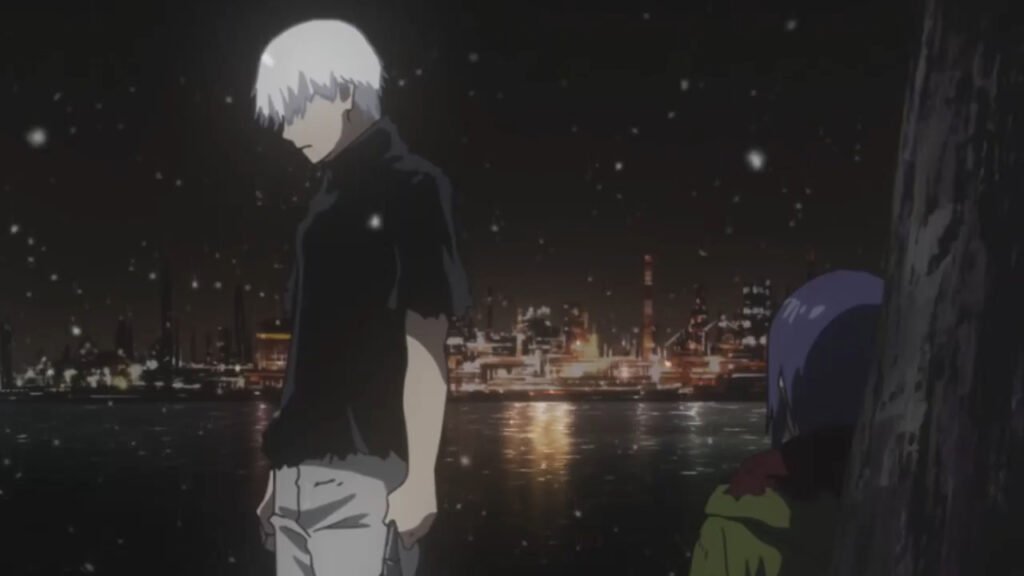
Something similar to The Promised Neverland happened with Tokyo Ghoul. We are talking about one of the biggest manga from the last decade that ran parallel with the likes of Attack on Titan in terms of popularity.
The manga fanbase for this show felt like they had been betrayed by the studio because something went incredibly wrong. Tokyo Ghoul, the anime, had a very successful run with its first season until Tokyo Ghoul Root A, which sought to go off the rails and work on completely new story elements.
We have found earlier that fiddling with the original source material is mostly detrimental to the reception, and that’s what happened with this series.
Deadman Wonderland
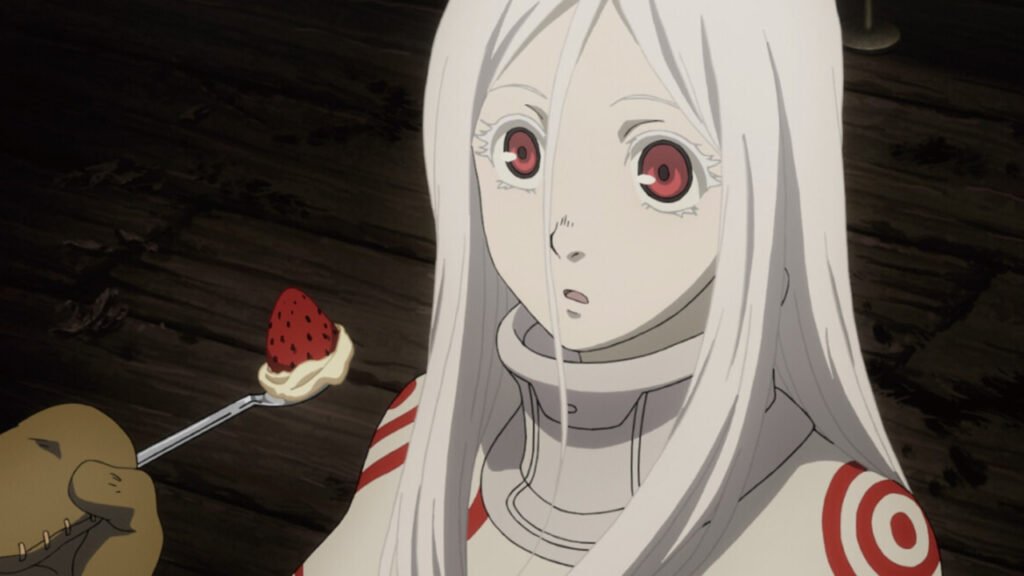
Deadman Wonderland is one of the lesser-known anime, but absolutely a masterpiece series if you are looking for something that tries to navigate a very dystopian setting. Few people who end up watching this show for its incredibly amazing opening actually end up disappointed once they jump to the source material.
The manga for Deadman Wonderland is a much better product than what the anime eventually came to be. This is a series marked by depressing settings and horrifying imagery, but the show completely abandons the design language in favour of a stylish action anime.

