
When it comes to the laning phase, Ganking and Anchoring are the two important concepts that you will want to master if you are looking to win more matches in Deadlock.
Ganking constitutes the roaming part of the game, which you will want to invest a fair bit of time learning, especially if you want to maximize soul farm for your team in every game.
Anchoring, on the other hand, is all about staying back in lane and soaking up all the waves that the enemy pushes into your guardian.
Ganking and Anchoring can be successfully pulled off based on the match-up as well as the game state that you are in.
So if you are looking to learn more about it, then we have got you covered.
How to Gank in Deadlock
As mentioned, Ganking is linked to roaming in Deadlock. Roaming is when you shove in the wave under the enemy guardian, and then roam the map collecting boxes, statues, and neutral camps.
If you are playing in the mid lane, you will have access to both the left and right lanes, making it the prime position for heroes that like to gank.
Now, a majority of the roams occur between 2 and 6 minutes. You don’t necessarily want to take on the enemy Guardian, or dive the enemy laners at this time, as the Guardians are extremely tanky at this point and have considerable resistances.
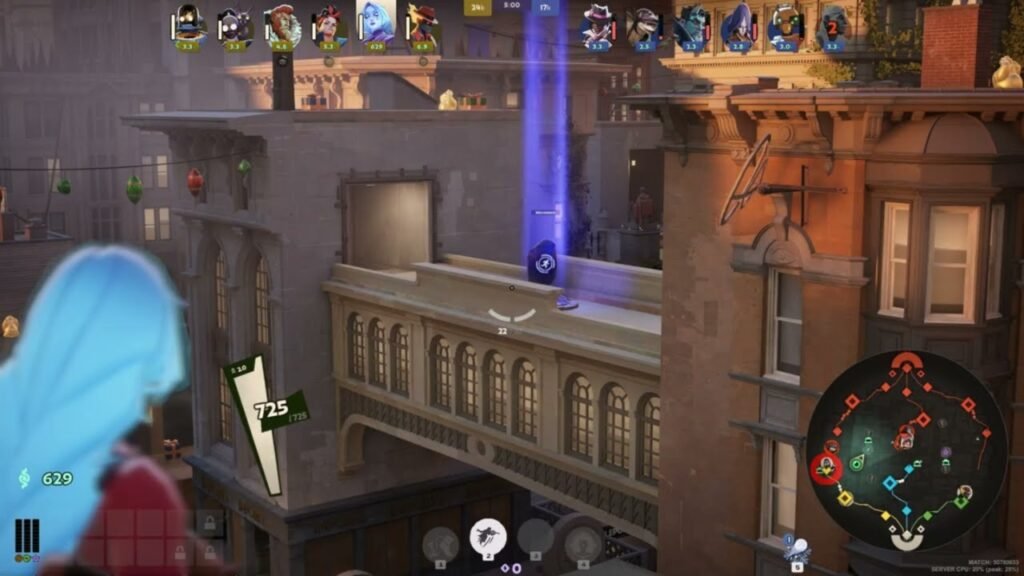
So once you and your lane partner push into the enemy guardian, you will want to roam by making your way to the elevated areas and roofs near the bridge.
This will also give you the vantage point to check out the side lane that is closest to it.
This is when you decide if you want to gank the lane or not, and your decision will primarily revolve around three things:
- What is the wave state like?: If the wave is shoved into the enemy Guardian, then it will be much harder to gank, and if the enemy is shoved into your Guardian, then it’s going to be much easier to gank.
- What’s the HP pool like?: If your teammates are very low on HP, then you should not be looking to force a gank. However, if the enemy is low, then you can definitely look to dive them.
- If your teammates or enemies have their ultimates?: The final thing that you will need to consider before ganking is if the enemy or our teammates have their ultimates up and how impactful their ultimates are when making a play. For example, if you are ganking a lane that has a friendly Holiday, then her ult is going to be very impactful in securing a kill. On the other hand, if you are ganking a Lady Geist under her Guardian, even if she is low, if her ultimate is up, you are likely going to lose out on that trade.
So consider these three points, and then decide if you want to gank the lane. If the gank looks favorable, then go for it; if not, then continue farming your boxes and head back to your lane.
However, if you can’t decide if you should gank or not, then the best thing to do will be to just go for the gank. If things go wrong, then you can always watch the highlights and see where you and your team misplayed and what you could have done differently.
But do keep in mind, when it comes to ganks, the goal is not always to get kills on the enemy team. While getting a kill is ideal, the main reason you gank is to create a lot of pressure in that lane.
If you chunk the enemy HP a fair bit, you force them to play safe under the Guardian, then allowing your team to roam and create plays in other lanes.
That being said, you should not be leaving your lane partner for more than 2 waves unless they specifically tell you that they are doing ok soaking in all that pressure. This is because heroes who Anchor are very vulnerable to getting dove under their Guardian, so you shouldn’t be looking to leave them alone for too long if they are not too comfortable in the 1v2 match-up.
Moreover, after you gank, don’t stay in the lane for too long. When you chunk the enemy down or get a kill, head back to your own lane, as you will be dividing the incoming Trooper farm between three players, which will minimize the amount of souls that your team gets.
So make sure to take a more aggressive route that lets you get behind the enemy, gank them, kill or chunk them out, and then head back to your lane.
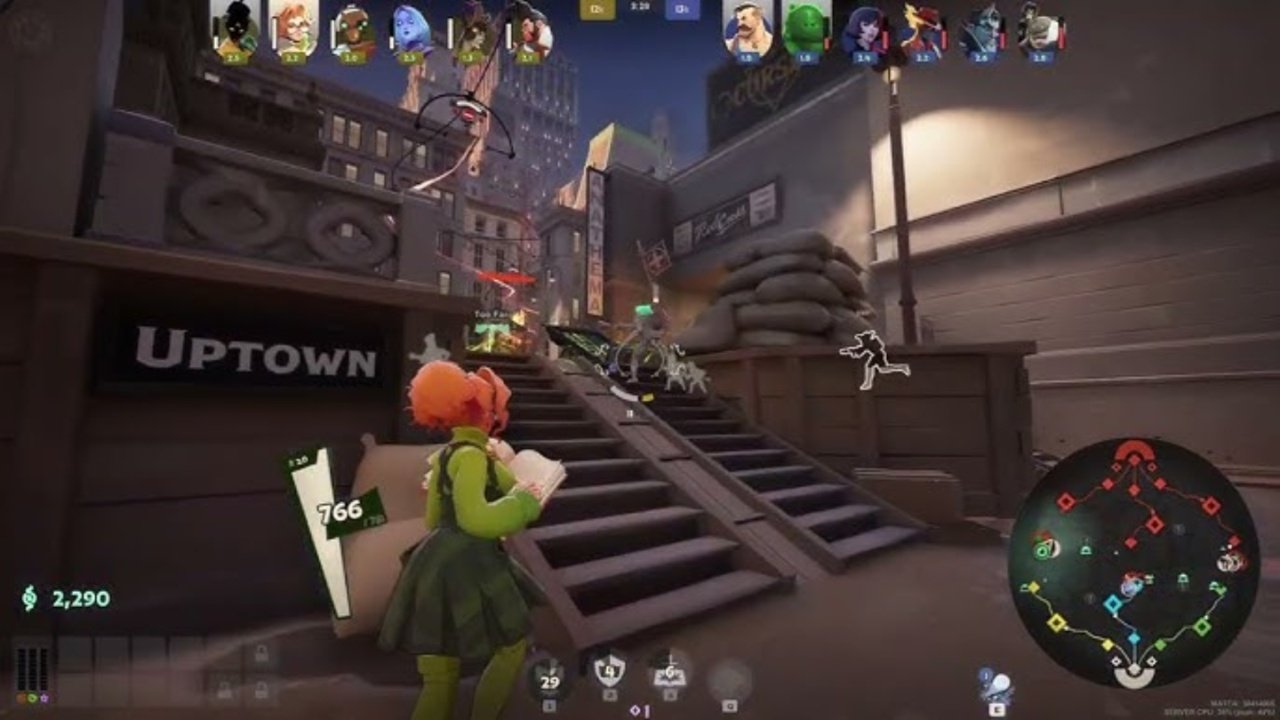
Which heroes should Gank in Deadlock?
Now that you are up to speed with how Roaming and Ganking work, the next thing you will have to consider is which heroes are good at ganking.
Not every Deadlock hero is good at Roams, as some, like Mirage, Lady Geist, and Wraith, are weak early but scale incredibly well into the late game. These heroes need to hit their power spikes first before they become relevant in a match.
Others like Silver, Bebop, Pocket, Holiday, and Paradox have great early game spikes and do not need to farm souls heavily to be relevant in a match. This makes them ideal roamers as they don’t need to wait in lane and soak up XP, and can roam for boxes.
The hero who roams will naturally have less farm than the hero that anchors. So a good roamer is a hero with:
- Great early game potential
- Doesn’t need too much farm to be relevant
- Has good CC or gap closing tools
- Has good mobility around the map
The goal of a Roamer is to help their lane carry start snowballing as soon as possible while creating plays in other lanes.
Understanding Anchoring in Deadlock
When it comes to Anchoring, the perfect hero for the role is the one who has a higher ability to scale.
In the current meta, there is a nuance when it comes to scaling, in the sense that a character that does a lot of gun damage is going to scale way better than a character that heavily relies on Spirit.
This is because Spirit is just flat additive numbers, which makes it strong early but falls off quite a bit the later a game goes.
Gun, on the other hand, is a multiplier, but it multiplies the base damage of your hero. So every time you level up, the base damage of your hero goes up. So gun scaling starts hitting like a truck once you reach the mid-to-late game point of a match.
A good Anchor will also need to have good wave clear apart from having the ability to scale. So while a Haze is a carry, she is not necessarily a good Anchor, so you can’t keep her alone in lane for too long.
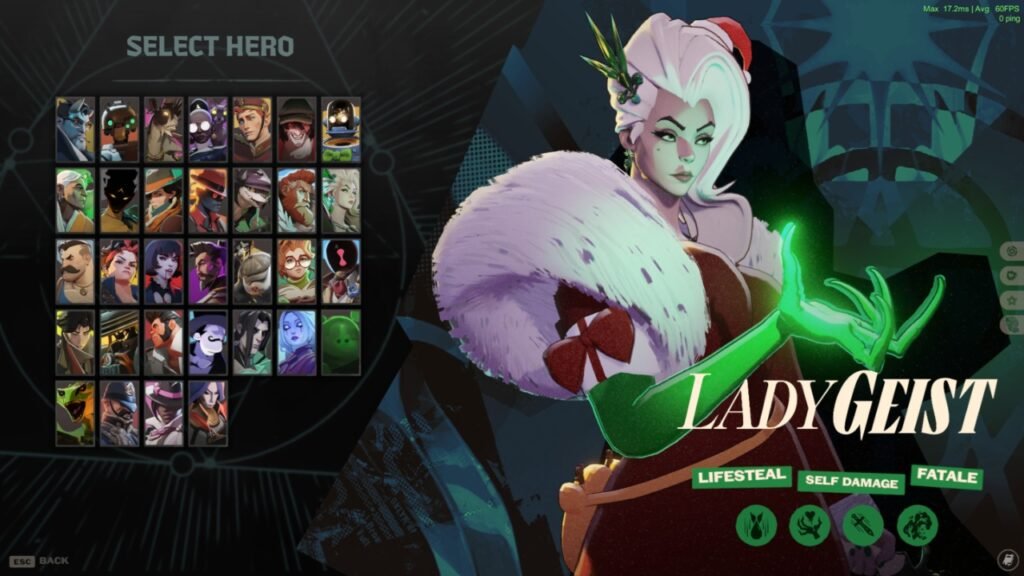
Lady Giest, Ivy, and Dynamo, on the other hand, are exceptional anchors as they come with a lot of wave-clearing tools along with abilities that nullify dives.
So if you are playing a carry that needs items and power spikes to be relevant in a game, then you should be anchoring and not look to roam.
What is Mirror-Roaming in Deadlock?
Mirror-Roaming is when you see one of the enemy heroes heading towards a different lane, and try to match their play.
You can start clearing boxes and head to the lane they went in order to counter the play that they are trying to make.
This is a pretty high-level strat, so do this only when you are confident about your own lane state and if you have unlocked enough skills, tiers, and items to be able to help the other lane.

