
For a club that once built its modern dominance on control, structure, and suffocating defensive organization, Barcelona’s recent fragility at the back feels alarming. The goals are not just being conceded, they are coming in waves. Leads are slipping away, transitions look chaotic, and what once appeared to be isolated lapses now point toward deeper structural concerns.
This is not a collapse born in a single week. The warning signs have been visible throughout the season. What has changed is, the fine margins, fortunate officiating calls, and outstanding goalkeeping — are no longer covering the cracks.
For a team coached by Hansi Flick, that built its identity around control and positional superiority, the current defensive instability raises serious questions.
Five core issues explain why Barcelona’s backline suddenly looks so vulnerable.
5 key factors behind Barcelona’s defensive collapse
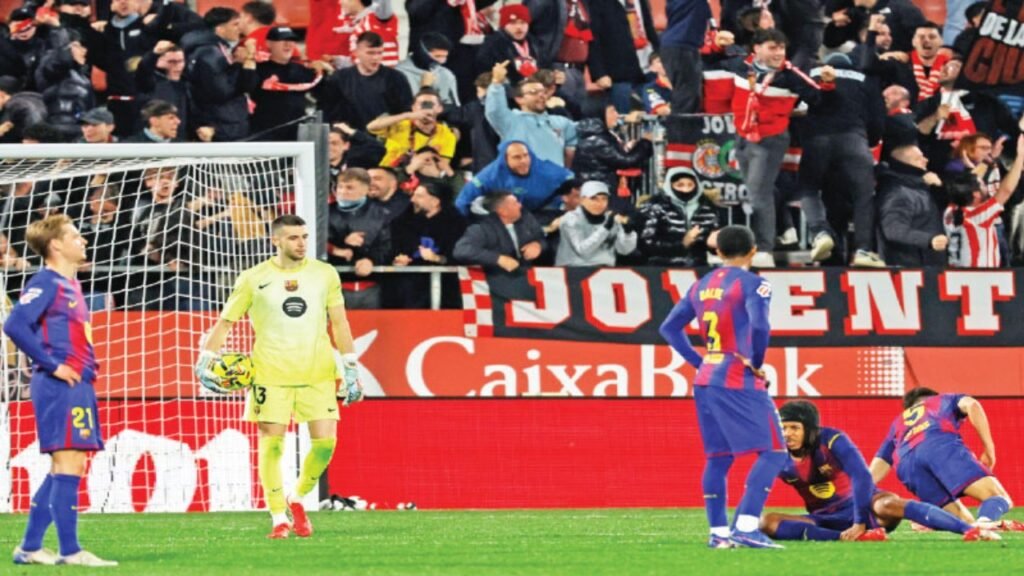
1. The high line is a gamble that demands perfection
Barcelona continue to operate with an aggressive defensive line, even if it is marginally deeper than in previous campaigns. The philosophy remains clear: compress space, win the ball high, and suffocate opponents.
But a high line is unforgiving. It demands perfect coordination between defenders, midfielders, and forwards. One delayed press, one mistimed step forward, and suddenly 40 meters of space open up behind the defense.
The high line itself is not inherently flawed. In fact, it can be devastating when backed by coordinated, collective pressing from the front. Last season, Barcelona’s aggressive counter-press often saw possession recovered within seconds, cutting off passing lanes and denying opponents the time to attempt direct balls in behind.
The system functioned particularly well with Raphinha setting the pressing triggers — his intensity frequently set the tone for the entire frontline. This season, whether due to his absence, fatigue, or a broader dip in collective intensity, that sharpness has noticeably declined.
Without immediate ball recovery, the high line loses its protective layer, transforming territorial dominance into a recurring defensive liability.
2. Experience missing at the heart of defense
The absence of Iñigo Martínez has left a noticeable leadership void. In his place, responsibility has increasingly fallen on Pau Cubarsí, an exceptional young defender with composure and technical quality far beyond his years.
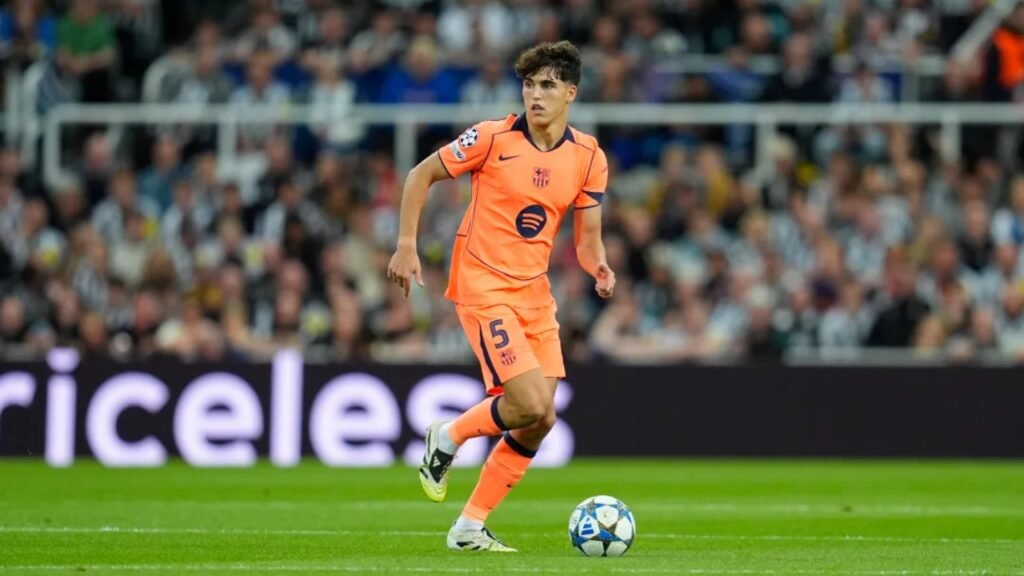
However, ball-playing maturity is not the same as defensive authority. Organizing a backline, commanding the offside trap, managing aerial duels, and guiding teammates through tense phases are skills built through experience. Expecting a teenager to anchor a high-risk defensive system week after week is asking too much, too soon.
Barcelona’s defense lacks a clear on-field general, and in moments of chaos, that absence becomes glaring.
3. No stable center-back partnership
Defensive chemistry thrives on consistency, and Barcelona have had very little of it. Eric García has been deployed across multiple positions. Gerard Martín, naturally a backup left-back, has filled in centrally. Ronald Araújo has struggled for rhythm and confidence at times.
The result is a revolving door at center-back. Partnerships change, roles shift, and automatisms disappear. Elite defenses rely on instinctive understanding — knowing when a partner will step up, drop off, or cover space. Barcelona’s defenders too often look like individuals reacting, rather than a cohesive unit anticipating danger together.
In a high-line system, that lack of cohesion is fatal.
4. The press and midfield control have broken down
Barcelona’s defensive system begins at the front. Without Raphinha relentlessly leading the press, the first line of defense weakens significantly. When the press is bypassed with a quick vertical pass, the midfield and defense are instantly exposed.
Compounding the issue is the absence of midfield control. Without Pedri, Barcelona lose their tempo regulator. Matches become stretched, possession becomes less secure, and transitions multiply.
A high defensive line thrives on structured possession and territorial dominance. Chaos, turnovers, and end-to-end exchanges are precisely what it cannot afford. Recently, Barcelona games have felt more chaotic than controlled.
5. No natural defensive midfield shield
Behind every ideal aggressive defensive system sits a reliable ball-winner. This role is for someone who breaks up counters, wins duels, and shields the center-backs. Barcelona, that once had a legend like Sergio Busquets, currently lack that “far-fetched” profile.
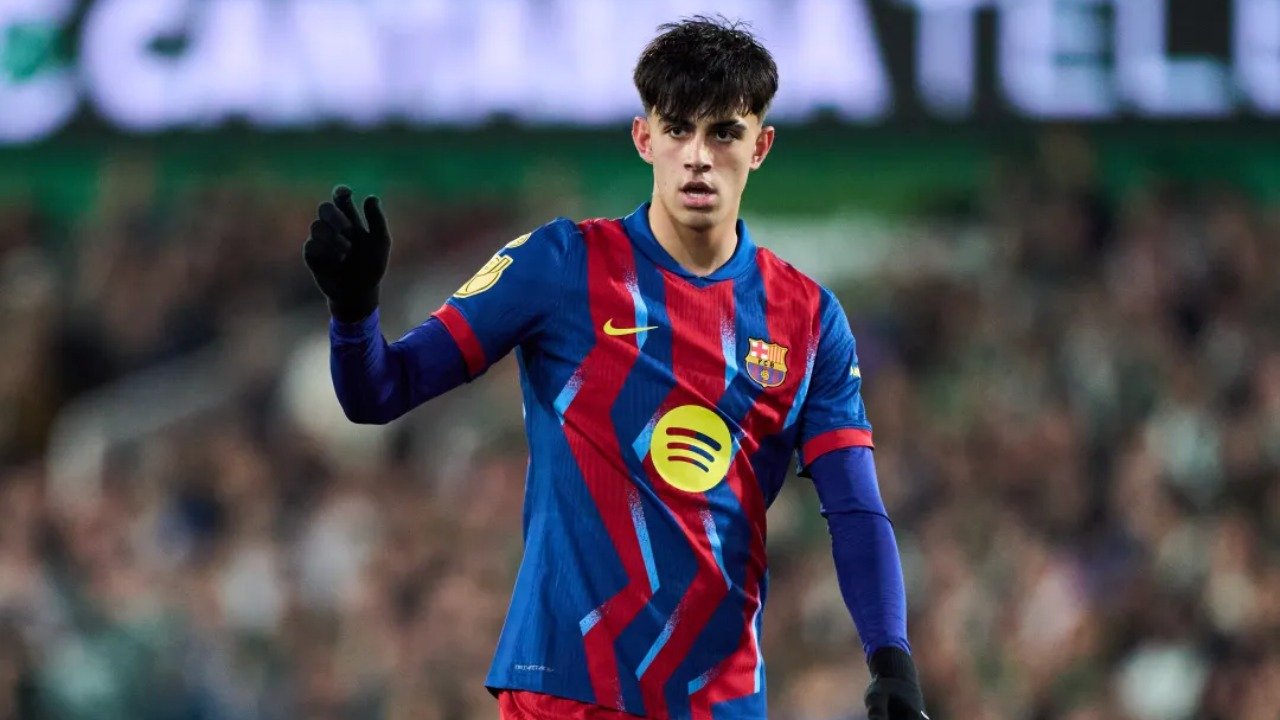
The most natural long-term option, Marc Bernal, is still a teenager returning from an ACL injury. Against physically dominant or tactically sharp opponents, the absence of a mature defensive midfielder becomes obvious. Center-backs are dragged into uncomfortable areas, forced to step out, leaving space behind them.
When that shield is missing, the high line transforms from a weapon into a vulnerability.
Can Barcelona fix this defensive imbalance?
Barcelona’s defensive problems are not random. They are interconnected. A demanding high line, youthful inexperience, unstable partnerships, broken pressing triggers, and the lack of a natural midfield enforcer have combined to erode defensive stability.
For much of the season, fortune and goalkeeping masked these issues. Now, as results tighten and opponents grow more clinical, the margins have disappeared.
The solution will not come from blaming individuals. It requires recalibration — restoring midfield control, stabilizing defensive partnerships, and perhaps adjusting the risk level of the line itself.
Until then, Barcelona’s defensive identity will continue to look less like calculated bravery and more like an increasingly dangerous gamble.

