
The Witcher series by Netflix has been anything but a quiet stroll. Especially with the series progressing, some significant creative decisions that take divergence from its source material have ignited debates within the core fanbase. The creative team of the show, led by Lauren Schmidt Hissrich, has openly defended the series direction, asserting multiple interpretations philosophy. It’s a stance that has done very little to sort the growing discontent among loyal followers of this game and books.
The Witcher’s showrunner tries to defend the series’ diverging creative decisions
In response to sustained criticism, Lauren Schmidt Hissrich, the showrunner, offered a justification that polarized the audience of this series further. As per her, “No one’s taking the books away. No one’s taking the video games away… everyone can have their version of the Witcher.” The comment made by her has been perceived by many as not a reassurance but a dismissal of all their concerns.
The reaction from the community has been severe. An X user bluntly interpreted the showrunner’s words, saying, “So…..she’s saying that fans of the games and books shouldnt watch it.”
Another user expressed deep frustration with the showrunner’s logic, saying he hated this argument. As per him, “If you’re not going to be true the source what the hell are you doing adapting it?”
The sentiment of creating the “DEI version” also got levied against a production, with a comment noting, “…and no one is watching her DEI version.”
An analytical fan then pointed out a unique position of the book readers. The X user questioned, “There’s not a ton of people outside Poland who’ve actually read the Witcher books… I don’t know anyone who is a fan of the books who doesn’t also at least appreciate the games. That can’t be said about the show.”
The Witcher has a lot of discontent from the author to the audience
The disillusionment isn’t confined to just the viewer base. The author of The Witcher’s world, Andrzej Sapkowski, talked about a similar experience of being sidelined previously in 2023. As shared by him, at a convention, he offered ideas to Netflix’s team, but they didn’t listen to him. He further quipped, while impersonating the dismissive attitude of the executive, saying—“Who’s this? It’s a writer, it’s nobody.” The admission confirmed fans’ worst fears about the fidelity within adaptation.
The disconnect was further mirrored by the former writer Beau DeMayo. As per reports, he allegedly said that some in the Writers’ room actively disliked the sourced material and mocked it, calling it “recipe for disaster.”
While Hissrich denies all these claims, the departure of Henry Cavill, who is a devotee of Sapkowski’s books, spoke volumes. Cavill did previously emphasize a need to “honor” the work of Sapkowski. His exit amidst all the rumors of creative differences signals a fundamental clash between the original vision and the new path of the show. It leaves behind a legacy of contention, with Netflix’s series moving forward.
What are the specific stumbles within The Witcher storytelling?
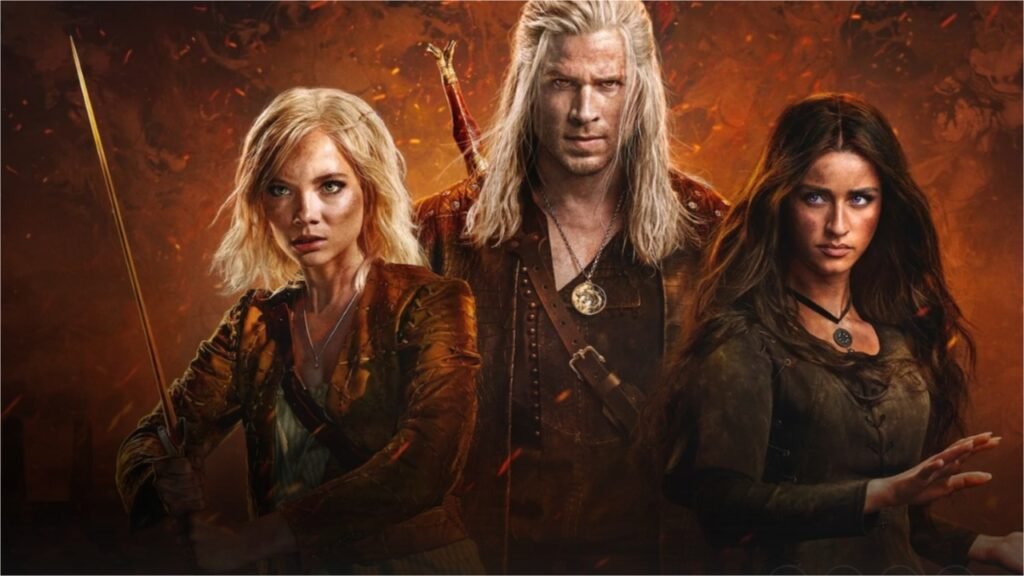
Some specific plotlines have become critics’ flashpoints. For instance, the romantic arc between Prince Radovid and Jaskier was controversial. The issue was not a queer representation but the rewriting of some fundamentally established characters. In books, Radovid is a child when he meets Jaskier. Radovid later evolves to become a paranoid and ruthless king.
The decision of the show to pair him romantically with Bard is a bizarre choice. While Season 4 did attempt for some course correction making rejection of Jaskier, a trigger for villainous turn for Radovid, the overall arc got panned widely. Fans now argue it felt random. They also say it failed at justifying drastic alteration of character, leaving the major storyline to be undercooked and disconnected from the original lore that the show is based on.

