
In a move made for its creative industries, Japan is pushing back against some external pressures to alter its video games and anime. As per the newly proposed policy by the Japanese government, meddling with creative works is being opposed.
Reports suggest that it aims to protect Japanese developers from compliance with some foreign content restrictions. It is an initiative that now marks a pivotal shift within how Japan plans on expanding cultural exports, giving priority to artistic freedom over any forced alteration for the international markets.
Japan opposes censorship laws as a strategic shield for creative freedom
The Japanese Ministry of Economy, Trade and Industry (METI) laid out a new policy framework. Its core principles are- “No interference within the content of creative works.” It is a directive that comes as a direct response to years of pressure coming from Western payment processors, as well as companies that demanded Japanese games to be altered or censored before their global release.
The goal of METI is to reassure all creators that government support doesn’t mean government meddling and that their support comes without any strings attached. It ensures their artistic vision, which was set originally, remains intact. By taking such a stance, the Japanese government now aims to stop foreign corporate and political meddling at the source. This policy signals official backing wouldn’t be contingent on the developers changing their content to suit overseas sensitivities.
This act of support empowers studios to create authentic Japanese products. It is believed that global audiences now seek authenticity. Also, this approach is one key part of the strategy of Japan to grow the overseas content market to approximately.$130 billion by the year 2033, competing on its terms. METI has reportedly stated that its goal is to make investments in intellectual properties as well as human resources, instead of meddling with the vision of the creator.
Censorship’s opposition comes with investment promises and more
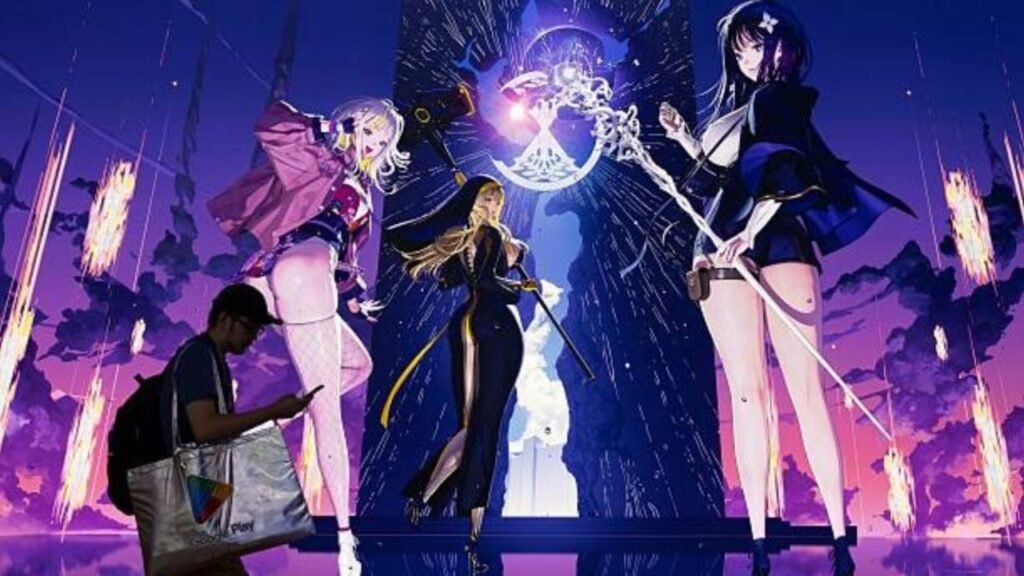
The entire reassurance is designed for empowering artists and developers. It will allow them to produce content that is true to their origins, without any force of censoring themselves for their overseas expansion. This policy also promises direct and transparent support, ensuring a reduction of reliance on intermediary companies. It means more aid would reach creators, strengthening the industry from the ground up.
By ensuring financial backing for those who are willing to take some creative challenges, Japan is now not just funding industry but is fortifying its cultural front. The impact can truly be profound. It can lead to a new wave of authentic Japanese anime and games that aren’t diluted by any external sensibilities. It is a strategic effort to ensure that the soft power of the country is undiluted and is genuinely Japanese.
What forged this new policy?
For many years, the Japanese gaming industry continued to face some escalating external pressures. The Japanese developers quite frequently found themselves compelled to alter character narratives, designs, and some other elements (it was removed as it was considered controversial) to appease international distribution partners as well as payment platforms. It led to a diluted product. It strayed from the original intent of the creator, leaving frustration among developers and fans, who truly valued the Japanese media’s unique aspects.
Such consistent erosion of creative control prompted this action in Japan. An “urgent message” was previously issued by the Japan Business Federation (Keidanren). They called for a large-scale government support within the content industry. The recent election of some politicians who champion freedom of expression catalyzed this change. It created a political environment that is ripe for a policy that defends the cultural exports of Japan from being fundamentally altered by any foreign entities.
How will the Japanese gaming industry and media change in the future?
While the “no interference” clause has been headline news, this new policy even focuses on bringing more effective support. METI is now acknowledging that past efforts of theirs for expanding the overseas market for Japanese content did yield meager results, as compared to South Korea’s rivals. For its rectification, this policy promises much more transparent and direct funding. It ensures financial support to reach creators instead of being diluted by the intermediaries.
Such a financial backing combination and creative protection offer a powerful foundation. Japan isn’t retreating from the global markets. It is instead advancing with one clear strategy—conquering the world with distinct Japanese content and not sanitized international versions. Policy’s success can redefine the global gaming landscape. It will ensure unique creativity that defines Japanese games as uncompromised for many years ahead.

