
Ever since we lost the glorified era of the E3 season, when video game giants used to come together and celebrate gaming with news and announcements for one whole weekend at an offline expo, we have started looking towards newer avenues.
What technically replaced the offline hype of E3 was the new Summer Games Fest show organized by Geoff Keighley. But it didn’t have as much impact, simply because most of the streams and reveals were either pre-recorded or online streams.
We did not get to see a crowd of video game industry veterans on the show floor react to the live presentation. This was a void that was then filled perfectly by the yearly Game Awards Show, because it was an award ceremony in front of a massive audience.
Year after year, The Game Awards have been surpassing their viewership, even beating out other prestigious award events such as the Oscars.
History of The Game Awards
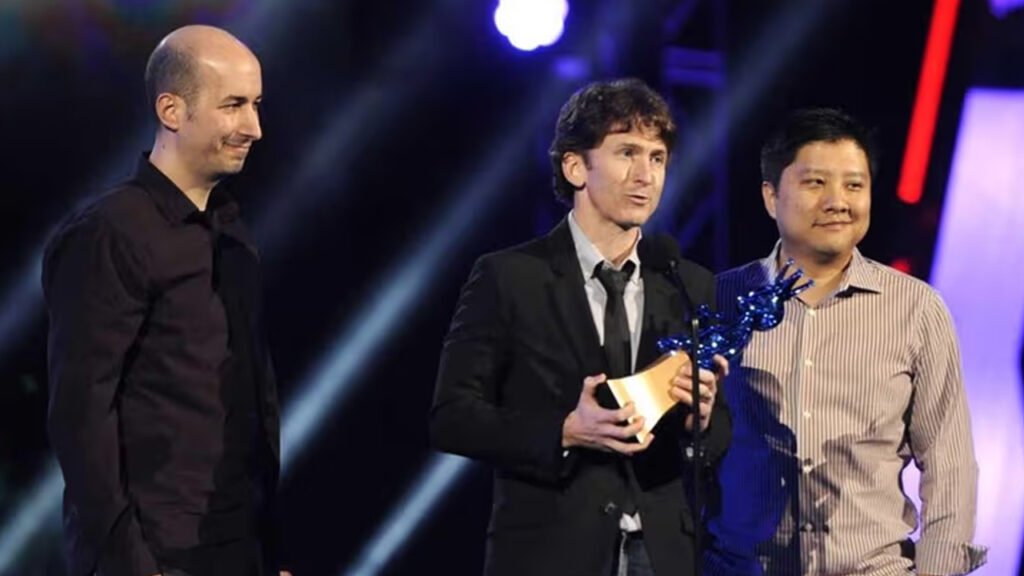
There’s a lot to unpack regarding how TGA is conducted and what it has become at the end of the day, using the premise of an ‘award show’. But before we do that, we should do a bit of homework about the history of this award ceremony.
The Game Awards was established in 2014, after years of having an early run as the Spike Video Game Awards. It was called the VGAs back then, and it aired on actual television networks.
The VGAs date back to 2003, being a small television show that was popular among the gaming community. If some of you remember GameTrailers TV, then you were pretty much there when it all started.
Official venues for VGAs used to span across various locations. This included places such as Los Angeles and Las Vegas. But in 2013, Spike announced that they were ushering in a new era of Video Game Awards by rebranding the show to VGX.
Unfortunately, that was short-lived because in the next year, Spike dropped support for VGX. It was officially rebranded to what we have come to know now as the Geoff Keighley Game Awards Show.
Why Did The Game Awards Get So Big?
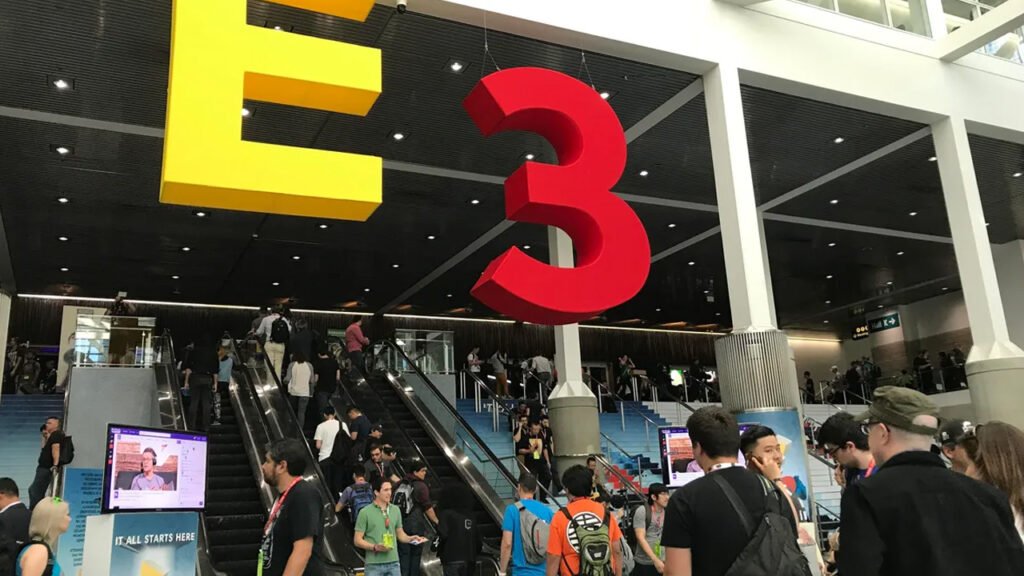
Thus comes the age of the yearly game award show. It was never an event of grand nature or had priority for the gaming consumers. But as years passed, it started stacking its laurels and turned into something else.
This can’t just be attributed to the loss of E3; there have been other yearly events which are no longer a thing. PlayStation used to host their live presentation experience, which was canceled after the last one in 2017.
Almost all the big shots have moved to hosting their own streaming shows, such as PlayStation State of Play or Xbox Direct. So, this left out The Game Awards as the only remaining space for announcements in front of a live crowd.

Sure, offline events such as Gamescom and Tokyo Game Show are still big. But these events are mostly entertainment expos geared towards journalists, leaving out major announcements.
All things considered, at the end of the day, the Game Awards is a platform for celebrating the hard work that developers put into their games, right? This is where it all falls apart, bringing us to our topic at hand.
The Game Awards have become a glorified popularity contest that’s less about the celebration of hard work and more like a platform geared towards sensationalism. This is not to say that an event like this cannot be a place for new announcements.
Dissecting The Ugly Side of The Game Awards
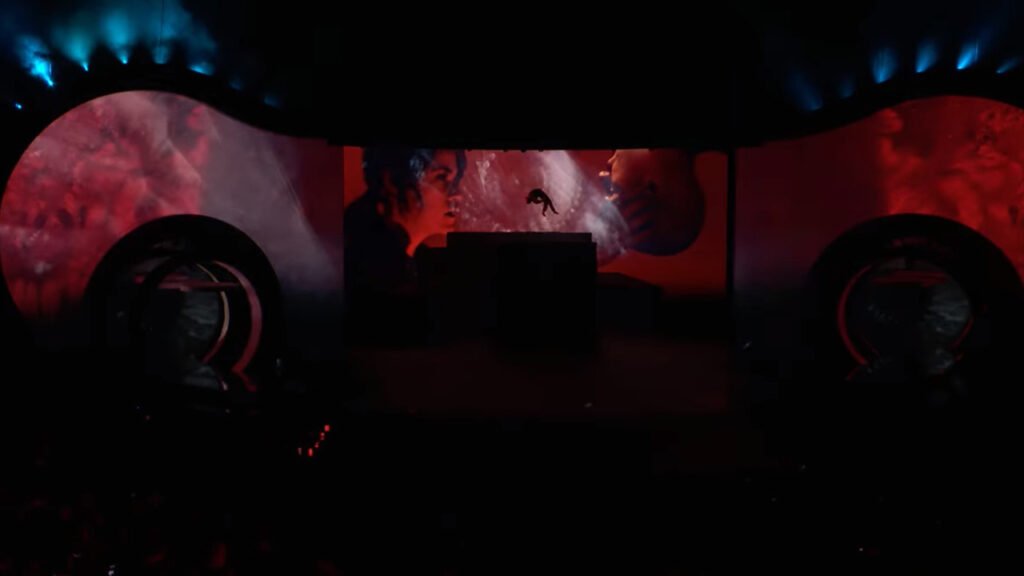
VGA used to have slots for major game announcements, so it’s not new for Geoff Keighley’s Game Award Show. While it was obvious that spots could not be allocated for each and every developer under the sun, the commercial prospects that were taken into consideration for a trailer spot were quite frankly absurd.
According to a Kotaku report, a three-minute trailer slot at The Game Awards show can cost up to $1 million. While that is an understandable rate for the big companies, small developers will not be able to afford that space on the platform in any shape or form.
The efforts that go into some of the orchestral spectacles and presentations for game announcements do look like they are worth the price. But it is absolutely ironic to think that an award show that should celebrate developers is so unaffordable and overly glorified. It has been pushing away the same people for whom the awards are for.
Criticisms should also fall on how much the people behind TGA are trying to chase Hollywood sensationalism. There are actors and Hollywood guests every year, either to announce an award or to promote a movie.
The Online Toxicity That Follows This Award Show
The Geoff Keighley Award Show may have surpassed the Oscars, but it has been chasing that glory of celebrity and star power for years now. In 2023, the show received a lot of criticism online for letting guests speak for too long, while an actual award winner was prompted to cut their speech short.
This moment has become a popular meme in the gaming communities, with ‘wrap it up’ as the tagline. The current state of the internet is also to blame for the award ceremony’s approach and conduct.
Countless online people will flock together to slander when a game they particularly like does not get awarded or nominated. This has been reciprocated towards game announcements and reveals as well.
People will make it their life’s duty to waste time online complaining about how none of the games shown off in these award shows were to their taste. How Geoff Keighley should specially curate game announcements for them.

What Maintains The Momentum of The Show?
We would like to think that toxic receptions as such are not something that an award show like TGA should heed. But the numbers do speak for themselves, because view count keeps the show afloat.
So this award ceremony has pretty much drifted towards pleasing the same fans who keep making jokes and complaints that border on threats to life. Take, for example, TGA 2025, which showered Sandfall Interactive’s Clair Obscur: Expedition 33 with too many laurels.
This, in turn, led to countless x/twitter accounts complaining and joking with death threats, as well as comparing the French developers of the game to the controversial state of Israel. This was also reciprocated towards the show host, Geoff Keighley.
The irony of the situation is that in an interview with VGC, some of the star casts behind Clair Obscur: Expedition 33 actually called for more meaningful award categories at TGA. Categories that would celebrate more of the work that goes into video games, such as motion capture.
What The Game Awards Should Do To Improve?
At the end of the day, our purpose in highlighting the questionable sides of this award show is not to join arms with the rest of the internet. But to hope that the organisers shave off the excess fluff and sensationalism in the coming years.
We know that Geoff Keighley can take a stand when the time is right. In 2021, he stood up in acknowledgement of the industry abuse, blatantly referring to allegations at Activision and Blizzard. He has also been vocal about mass layoffs that are becoming more frequent in recent years.
The Game Awards show should always be for the faces behind some of these amazing gaming experiences, which revolve around our lives. We hope it continues to grow more welcoming of the industry and developers, giving them the platform they deserve.

