
The global memory chips market is in chaos, with reverberations hitting home in a manner that every gamer would feel. DRAM, a crucial memory with a severe shortage found in everything from servers to smartphones, is causing prices to skyrocket. For Nintendo, as per reports, this crisis has arrived at the worst time. The cost of LPDDR5X’s 12 GB memory used in the new Switch 2 has reportedly shown a surge of 41% in the current quarter. Such an unprecedented spike is now forcing Nintendo into a difficult corner. It threatens the productivity of the console and raises unsettling questions of whether the players would soon face a high price tag.
Switch 2 is facing a costly and sudden price rise concern
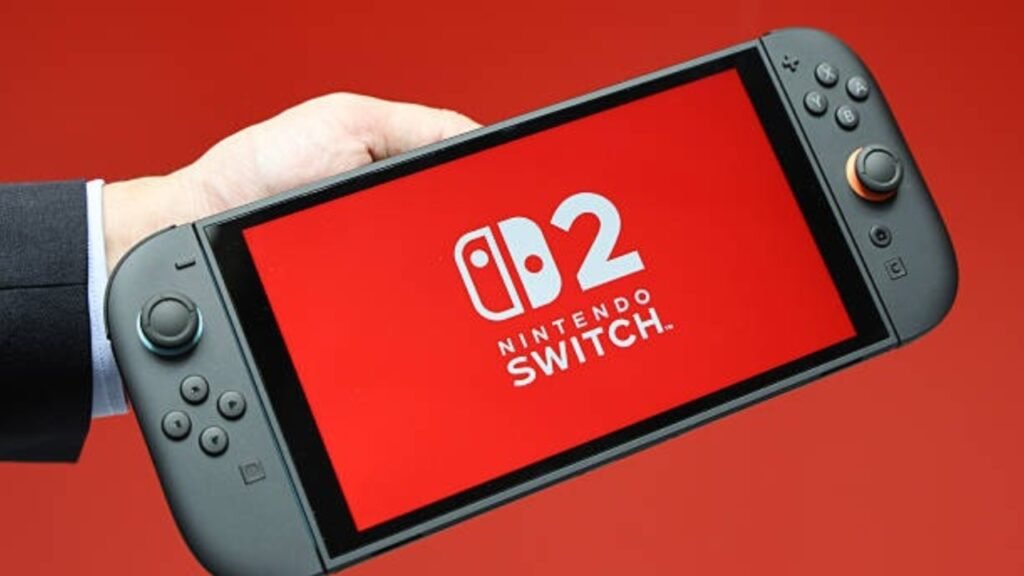
Nintendo Switch 2 is now caught in the perfect storm. The company is grappling with the staggering 41% price increase for DRAM and 8% rise for the NAND flash storage inside each of the units. It is not some minor adjustment. It is instead a fundamental blow to the financial structure of the console.
Industry reports show that Switch 2 was launched with a slim hardware profit margin. Some analysts suggest that sales made outside of Japan might have been near the break-even point. To absorb such an increase in dramatic cost directly threatens the bottom line of Nintendo. It also threatens its ability to invest in promotions or subsidized game bundles.
The financial markets reacted negatively and swiftly to the news. The share price of Nintendo tumbled, erasing approximately $14 billion in market value. It fell to its lowest point since the debut of the console. The investor pullback underscored a huge concern—Nintendo now has a series of unappealing choices.
Nintendo could eat costs, watch profits sink, renegotiate the supply chain, or pass expenses onto the customers via a hike in console prices. Also, with the DRAM prices forecast to further climb throughout 2026, the pressure for making some difficult decisions would just intensify.
How AI Data centers are driving up the RAM prices
The root cause of the shortage is not in the gaming industry. But in the capital-intensive world of the AI. Some tech giants are on a massive building spree. They are trying to construct data centers that are required for training and running the advanced AI models. All these AI servers have a specific and voracious appetite for memory, quite particularly a high-margin and specialized type called the High Bandwidth Memory (HBM).
The problem is a simple economics and a finite supply. The global DRAM market is now an oligopoly. It is dominated by 3 manufacturers—Micron, SK Hynix and Samsung. With long-term and lucrative contracts for the deep-pocketed AI firms, these companies thereby strategically pivot their production. They reallocate factory capacity completely away from commodity DRAM that gets used within consumer electronics. Then, they direct it towards profitable HBM as well as advanced memory for the data centers. Such a shift creates immediate scarcity for everyone, including those in profit.
The entire situation is said to be now exacerbated as OpenAI signed unexpected and major supply deals. Reportedly, they are securing a huge portion of the DRAM output of the world. The scale and secrecy of these deals have now triggered panic buying all across the tech sector. Both hardware makers and competitors are now scrambling to lock down their supplies.
As manufacturers are a bit hesitant about over-investing in new factories due to the fear of a future AI bubble burst, analysts are issuing warnings that this supply chain can persist for many years. It potentially will not ease until some new facilities come online in the years ahead.
The gaming community is bracing for some support
For the gamers, implications extend much further beyond the balance sheet of Nintendo. The shortage of memory is like a rising tide that is lifting up all the boats—the prices of almost all consumer tech. PC builders are already facing this crisis, as DDR5 memory kits cost soar by over 240% on some retail platforms.
Some major pre-built PC companies, including CyberPowerPC, have announced system price increases. They cited a 500% surge in RAM costs. The Laptop manufacturers, including Lenovo and Dell, have already signalled their plans for raising prices by approximately 15 to 20% in early 2026.
In gaming forums as well as discussions, reaction is a mix of frustration and resignation. There are many consumers who are seeing a potential hike in the price of Switch 2 as part of an unavoidable and broad trend, wherein AI companies have directly inflated their hobby costs. Comments from around the world show a sense of powerlessness. Many users have even noted that AI firms are effectively outbidding the entire consumer market for essential components.
The rising consumer concern, too, is pragmatic. The internal 256GB storage of Switch 2 was tight for modern games. It makes expandable storage through microSD cards a necessity for many. But similar NAND flash storage impacting consoles, too, is driving up prices for cards. It raises the actual cost of ownership, making the ecosystem of gaming—essential accessories, hardware, etc., expensive. With the industry watching the next move of Nintendo, one thing is clear—the era of the AI is just reshaping the landscape of consumer tech, and gamers are just being asked to help foot the bill.

