
Almost 50% of the players in LCS 2026 will be from South Korea. This makes it a historic shift in the league’s history, as for the very first time, players from South Korea will outnumber those who are born in NA.
According to a recent consensus, approximately 16 players in the league will be of South Korean nationality, while the USA and Canada will make up 12 players combined.
This has created a fair bit of outrage among North American League of Legends fans who have previously joked about the LCS slowly becoming a retirement league of LCK players ever since Huni and Ryu became some of the first imports. Fortunately, till now, players from NA have always outnumbered those from any other nationality.
However, from 2026, that might not be the case as orgs are tending more towards pulling more players from the LCK and not leaning as much on EU as they used to.
And it’s not the LCK veterans that the orgs are eyeing this time. There is also a fair bit of focus on the LCK challengers league, which is the second-tier Korean competition.
NA is becoming more optional in the LCS
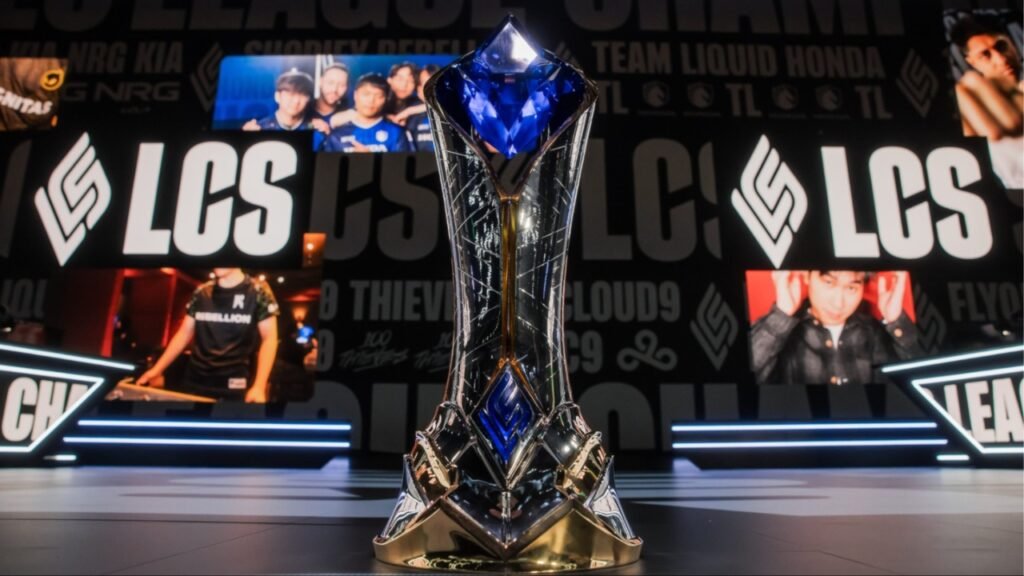
The LCS hasn’t exactly had a good run in recent League of Legends Worlds championships. And with the amount of success that the LCK has had, it’s no surprise that the Western orgs will be eyeing to get as many imports as possible to bolster their roster ahead of the coming season.
The LCS has always relied on imports since 2014. With all Chinese teams like LMQ qualifying through the NA Challenger system, to rosters like TSM championing the Danish mid laner Bjergsen.
However, while many of these orgs with imports have had major success regionally and in international events, the LCS still provided a structure where most of the players in the league were from NA.
Now the trend has sort of reversed in recent seasons with NA talents heading over to EU (like Busio and Jojopyun), and the LCS org looking to fill this void with Korean imports.
Will the LEC follow suit?
Riot Games has recently dropped mandatory local player requirements for EMEA Regional Leagues in 2026. The ERL rosters were previously made to include at least two Locally Trained Representatives (LTRs), or rather players who were within the region’s competitive scene as part of a shared ruleset across all 13 ERLs.
This mandate allowed the European League of Legends circuit to support regional identity and ensure that it is fostering young talent and allowing them to be one of the core pillars of the region’s competitive leagues.
This is not going to be the case from 2026, as Riot explains it, “We know there isn’t always a one-size-fits-all approach. We want to empower local TOs to deliver the best product for their fans and regions.”
The developers further clarify that this shift will not reduce the commitment to regional talent development, but rather help enable the local leagues to make their own systems in order to create a stronger regional identity.
However, there are many in the community who believe that this might jeopardise the local scene further, allowing orgs more reign to bring in foreign imports, which can eventually trickle into the LEC.
Alongside the rule change, Riot also confirmed the return of all 13 ERLs for another three-split season, running from January to September with the usual Winter, Spring, and Summer structure.
Additionally, Karmine Corp Blue and Los Rantones will be missing out on their regular season start as they will be competing against the 11 LEC teams in a best-of-one round robin in the Versus Invitational.
They are competing for a place at First Stand, and hopefully, close the gap between the LEC and the EMEA’s regional leagues.

