
A firestorm has been brewing on Capitol Hill and in the living rooms all across the country, leading to the term “Pedoblox” exploding across social media. The hashtag, which is a portmanteau of “Roblox” and “Pedophile,” has gained traction after a disturbing video started circulating online. Therein, two grown men were seen engaging in sexual acts with the avatars of female players, inside the popular game Roblox.
The incident has galvanized parents who now demand an outright ban of Roblox, placing pressure on lawmakers who are already locked in the bitter partisan fights over child online safety legislation’s 2 major pieces, moving through the Senate and the House. It has left the families with concerns about Roblox. They are also wondering whether authorities would act or just posture.
Circulating video ignites parental fury and demands for accountability
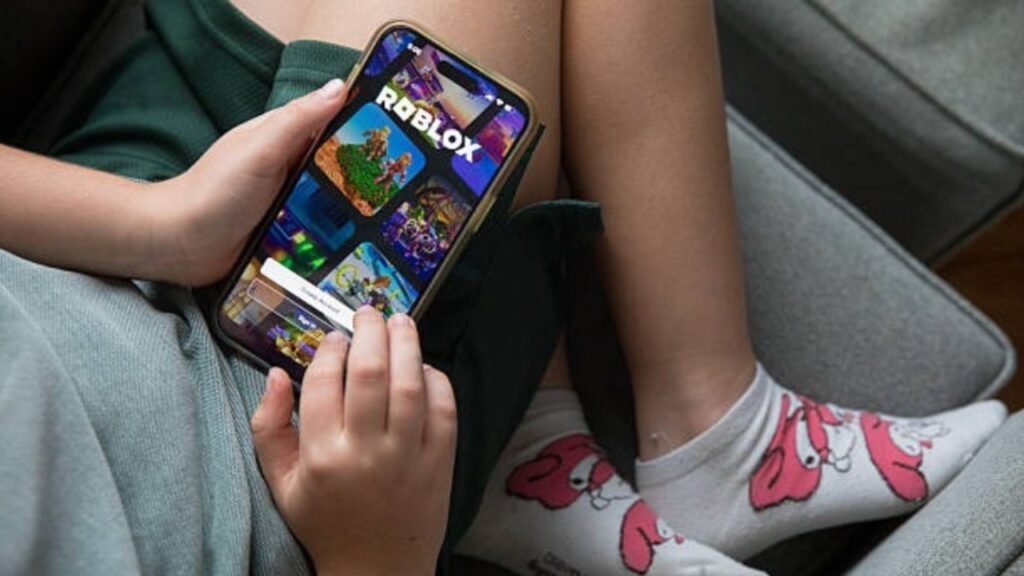
The entire outrage has reached a fever pitch this week, as a viral clip documenting an explicit in-game interaction has gone viral. It prompted a flood of X responses. Amidst them, a user sharing the footage of the sexual act shared a stark warning about the ease with which the operators continue to operate on Roblox. The term Pedoblox quickly became a rallying cry for the parents who now argue that Roblox has become a hunting ground.
“The Roblox Files are not a future scandal. They are happening right now,” an activist posted, citing claims that more than 5,000 children have come forward and documented accounts of getting exploited, groomed or sexually abused by predators who found them on Roblox. Further, the post alleged that former company employees have confirmed that Roblox knew all about the abuse. It also had tools to stop it, but they continued to choose profits over children. Overall, the message concluded quite starkly, suggesting, “That is not negligence. That is a choice.”
Along with the post, the critic Schlep then urged his followers to contact their representatives direct. “Please go to @HouseCommerce and respectfully put this flyer with anything related with the KIDS act.” The critic further posted, alleging that politicians are trying to “steal away the rights of child sexual abuse survivors to seek justice, because big tech is in their pockets.” This post has resonated well with the parents who view Roblox as a gaming platform that is an ongoing threat and not some isolated incident. They want Roblox being shut down.
Lawmakers battle over the KIDS Act and safety regulations
With public pressure mounting, Capitol Hill’s both sides have moved forward on Thursday with competing visions for child online safety. However, a House measure got temporarily pulled back in the hopes of reaching a bipartisan consensus. The Senate was able to achieve unanimous consent for the COPPA 2.0, sponsored by Sen. Edward J. Markey, that strengthens the 1998 data protection law, expanding safeguards to teens under 17. It also revises the actual knowledge standard to include “knowledge fairly implied on the basis of objective circumstances.”
The House Energy and Commerce Committee has advanced kids Internet and Digital Safety Act—a package that incorporates 12 measures, including the KOSA version. However, the legislation is facing sharp criticism from the Democrats, arguing that it will fall short. Republicans have even been charged by Rep. Frank Pallone Jr., who believes they are “voting on legislation that lets Big Tech off the hook, undermines state protections, and leaves kids less safe than they are today.” The Committee Republicans defended their approach, with the House Commerce accounts stating the KIDS Act holds “Big Tech accountable” while empowering parents.
The debate associated with Roblox controversy has now grown contentious, with the activists circulating warnings that the vote of Thursday is timed deliberately, before the midterm elections, “while most of America isn’t watching.” 6 Republicans attorneys general from Florida, Texas, Iowa, Louisiana, South Carolina, and Kentucky sued Roblox, seeking accountability for constituents. Now, the critics warn, pending federal legislation could actually protect platforms and not children, gutting state-level protections and quite potentially stripping rights from the abuse survivors, seeking justice through all existing lawsuits.

