
Valve’s upcoming Steam Machine promises to blend PC flexibility and console simplicity. Reportedly, it targets a price point of approximately $650. However, the ongoing dramatic surge in memory costs worldwide has made gamers and industry watchers question whether this target is still achievable. With the RAM prices continuing to multiply over the recent months, the feasibility of delivering capable hardware at the targeted cost is now under serious pressure. It threatens to push the system into a higher and riskier bracket.
Community shows skepticism over if Steam Machine can meet expected price
Reactions coming from enthusiasts on social media platforms like X highlight a clear divide between practical concerns and optimism. There are some users who have expressed their unwavering faith in the strategy of Valve. As per them, the company has “sold at a loss before.”
Others, on the other hand, have directly linked the rising component market to some potential compromises. A pointed argument from one of the observers stated that, with $650 target and climbing SSD and RAM prices, the upcoming hardware will have “downgraded specs.” As per the user, it would potentially harm the Steam machine’s ability to run new games. The sentiment of the user clearly reflected the broader fear that the promised 4K 60fps experience might get sacrificed for meeting the budget.
The counterpoints suggest that Valve, as one of the major organizations, quite likely secured the component contracts in advance to ensure Steam keep winning. This suggestion clearly insulated the company from an immediate spot market crisis. Despite it, the sheer scale of price hikes, with the German data showing DDR5 costs 4.4 times higher than just 6 months ago, makes even bulk procurement a formidable challenge.
What would be the true cost of releasing the Steam Machine, “as claimed”
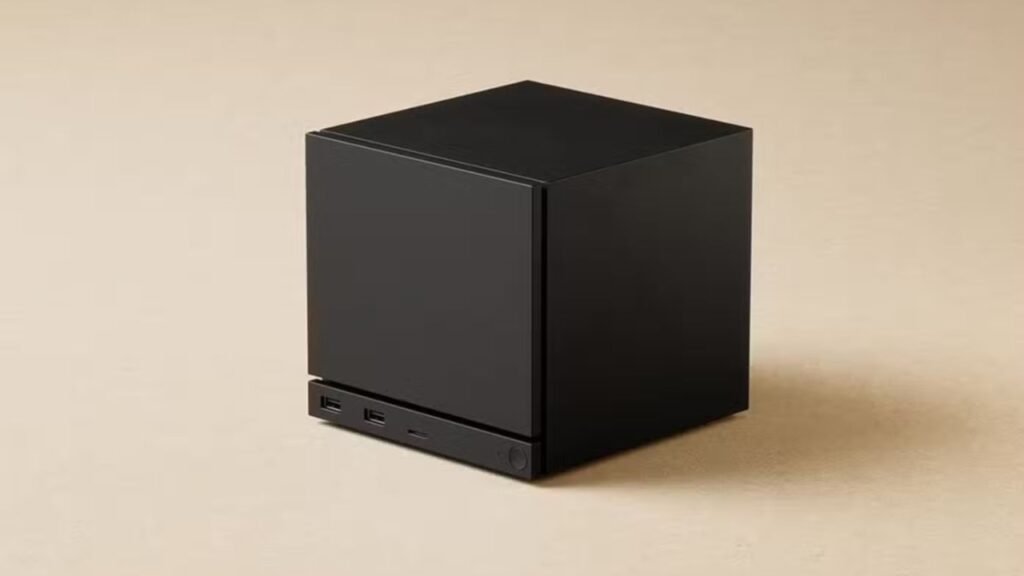
After previous fears of delay, the CEO of AMD has confirmed that the Steam Machine is now on track for an early 2026 release window. Quite ironically, this punctuality clearly collides with the worst possible market conditions for the memory. With Valve itself not having officially announced the pricing yet, analysts are estimating it would be between $650 and 750, optimistically.
Industry observers and gamers are even connecting some dots. They note the recent price increase for RAM in the pre-built systems, from some other manufacturers, as an ominous sign of broad trends. If the component crisis does not ease, Valve will be facing a tough choice—absorb some significant losses, in order to hit $650 mark. Or they can raise the price and then risk alienating their target audience. Gamers rallying behind Steam also suggest a third option, as per which, they might compromise on specifications that define the appeal of the machine.
In case Valve chooses to raise the price and Steam Machine creeps too close to or even surpasses high-end PlayStations or Xbox, its entire appeal would rapidly diminish. It means Steam machine can affect the console market, but in what ways, only time can tell. In short, coming months would be critical. Valve, in order to sustain, must balance long-term ecosystem ambitions against short-term and harsh economics of the memory market within chaos. They must determine whether the Steam Machine will arrive as a breakthrough device or just some casualty of unfortunate timing.

