
Replacing Bruno Fernandes at Manchester United is not a simple recruitment task. It is a structural decision. Bruno has defined United’s attacking identity for years through relentless pressing, emotional leadership, vertical passing, and a constant willingness to attempt high-risk, defense-splitting balls.
Even as he has regained his sharpness and rhythm under the current setup influenced by Michael Carrick, the reality is that at 31, long-term planning must begin. His game depends heavily on intensity, movement between lines, and sustained creative responsibility. These are the elite attributes that are difficult to maintain indefinitely.
United may not need a successor immediately, but within one to three seasons, the transition conversation will become inevitable. Here are seven realistic (and semi-realistic) young profiles who could step into that creative vacuum.
7 realistic replacements for Bruno Fernandes at Manchester United
1. Morgan Gibbs-White
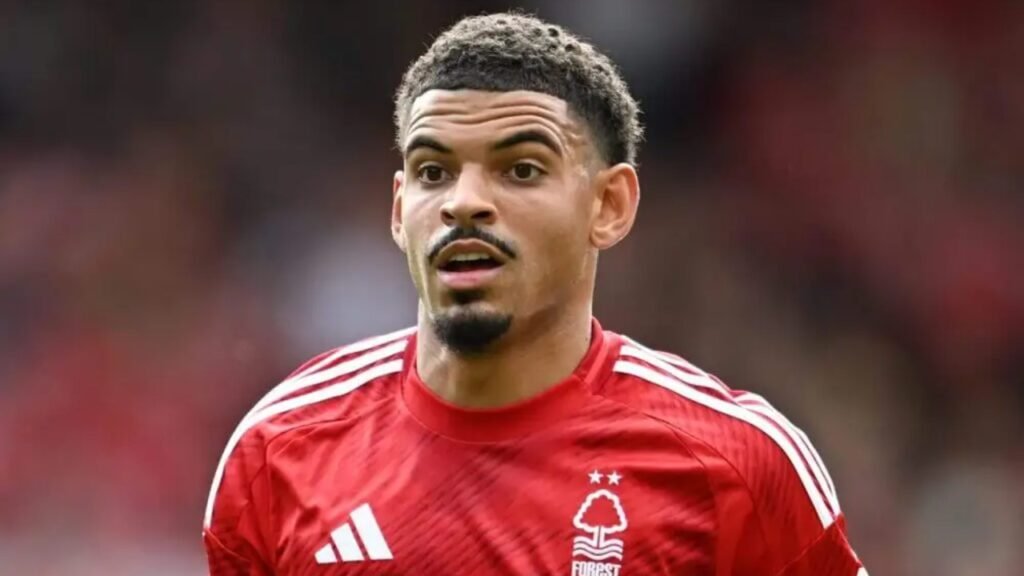
Among realistic Premier League options, Morgan Gibbs-White stands out as the most natural heir. The Nottingham Forest midfielder has matured into a high-volume creator who thrives between defensive lines and assumes responsibility in transition-heavy systems.
The 26-year-old combines progressive carries with incisive passing and is comfortable drifting wide before attacking central spaces. These traits mirror elements of Bruno’s roaming playmaking. Importantly, he is already accustomed to the physical and tactical demands of the Premier League.
The primary concern is consistency; Bruno’s output over multiple seasons has been elite, and matching that reliability is a different challenge altogether. Still, in terms of realism and stylistic alignment, Gibbs-White appears the most attainable long-term solution.
2. Morgan Rogers
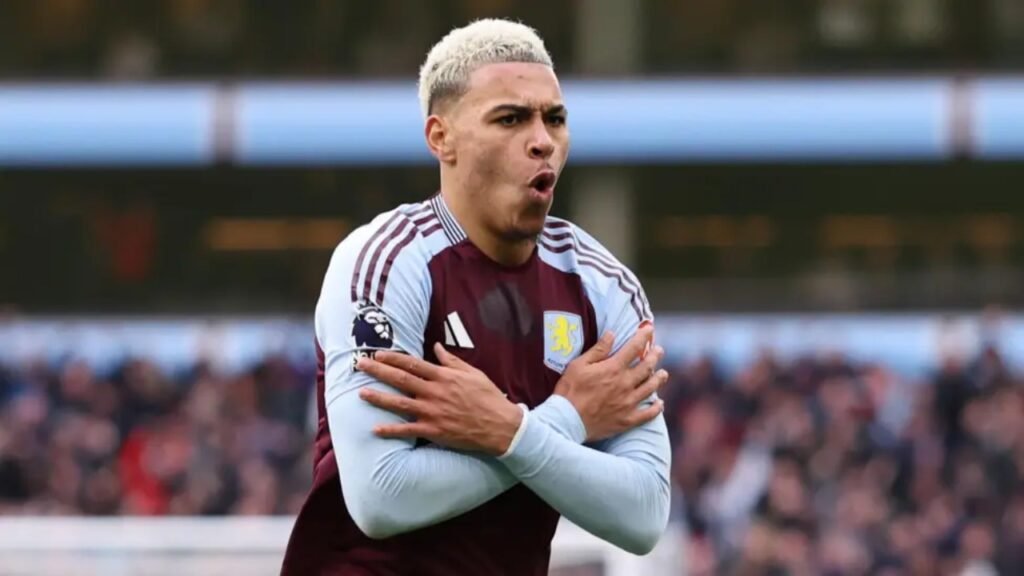
If United prefer a stylistic evolution rather than a direct replication, Morgan Rogers offers a compelling profile. The Aston Villa attacker represents a more modern hybrid between winger and central creator.
Rogers is powerful, explosive, and capable of driving through defensive structures with ball-carrying rather than solely relying on through balls. While the 23-year-old does not yet possess Bruno’s pure creative range, his physicality and directness could redefine the attacking midfield role into something more transition-oriented.
In a system that emphasizes athletic dominance and vertical surges, Rogers could thrive as part of a tactical shift.
3. Xavi Simons
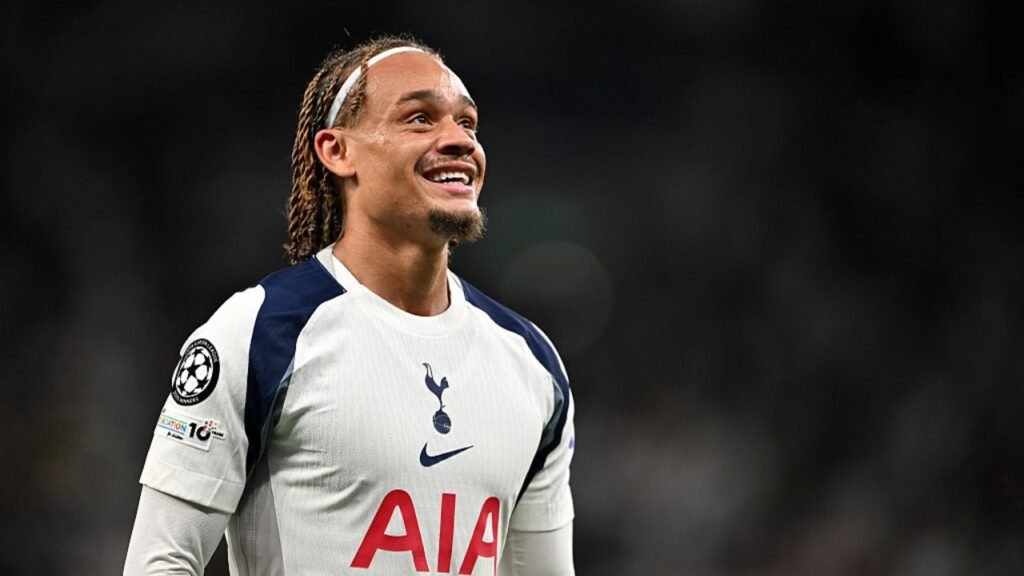
From a technical and tactical standpoint, Xavi Simons of Tottenham Hotspur presents one of the most intriguing options. Simons is fluid, intelligent, and comfortable interchanging positions across the front line.
He frequently drifts inside from wide areas but operates naturally between lines, blending dribbling with creative passing. But unlike his dazzling, high-impact spell at RB Leipzig, the current season has not been as explosive.
At Leipzig, Simons thrived in a fluid, high-tempo system that maximized his strengths: drifting inside from wide areas, attacking half-spaces, and combining tight-space dribbling with incisive final-third passing.
At Tottenham, the adaptation phase has been evident. The Premier League’s physical intensity, tighter defensive blocks, and tactical discipline have reduced the space he previously enjoyed in the Bundesliga.
However, transitional seasons are common for technically expressive players adjusting to new leagues and expectations. His core attributes remain intact: close control under pressure, intelligent off-ball movement, pressing intensity, and the ability to unlock compact defenses with quick combinations.
Unlike Bruno’s often chaotic and risk-heavy style, the 23-year-old Dutch offers controlled unpredictability through which he can orchestrate attacks without forcing low-percentage decisions.
If United aim to reduce reliance on a single creative focal point and instead build a more fluid, rotational structure, Simons could be an ideal architectural piece.
4. Yan Diomande
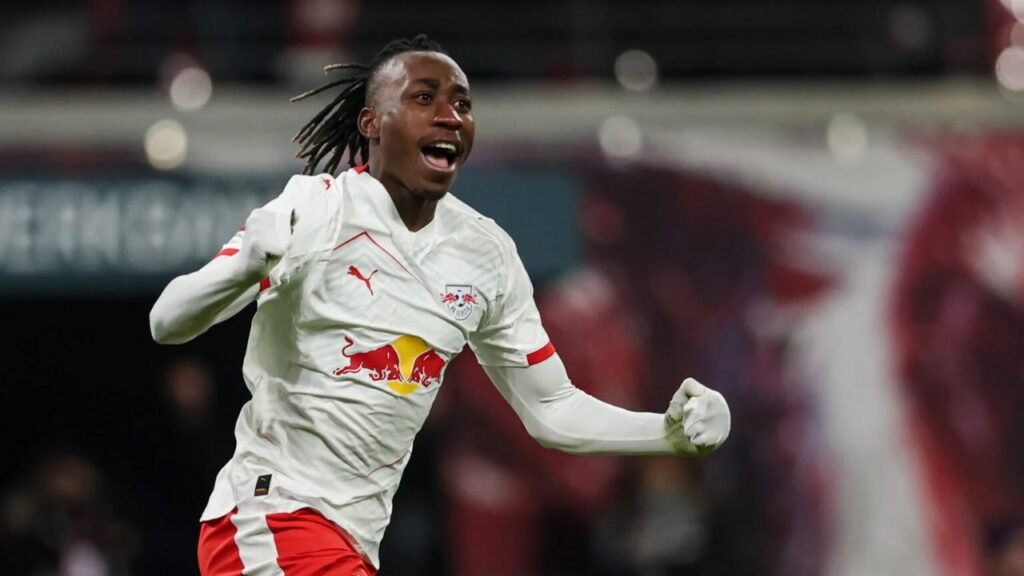
Yan Diomande is an explosive and versatile 19-year-old winger whose profile represents a different kind of attacking evolution. Although the Ivorian is not a typcal number 10, his inside-cut penetrations through defense match Bruno’s effectivity on the attacking third.
Diomande is known for elite dribbling, blistering pace, and high-volume direct engagement with defenders. Operating effectively on both flanks, he frequently cuts inside to create scoring opportunities and combines strong physical presence with sharp footwork.
Two-footed and relentless in intensity, the Leipzig attacker embodies the modern wide disruptor. Integrating a player like Diomande could signal a broader shift away from a central playmaker model toward distributed creativity driven by dynamic wide threats.
5. Arda Güler
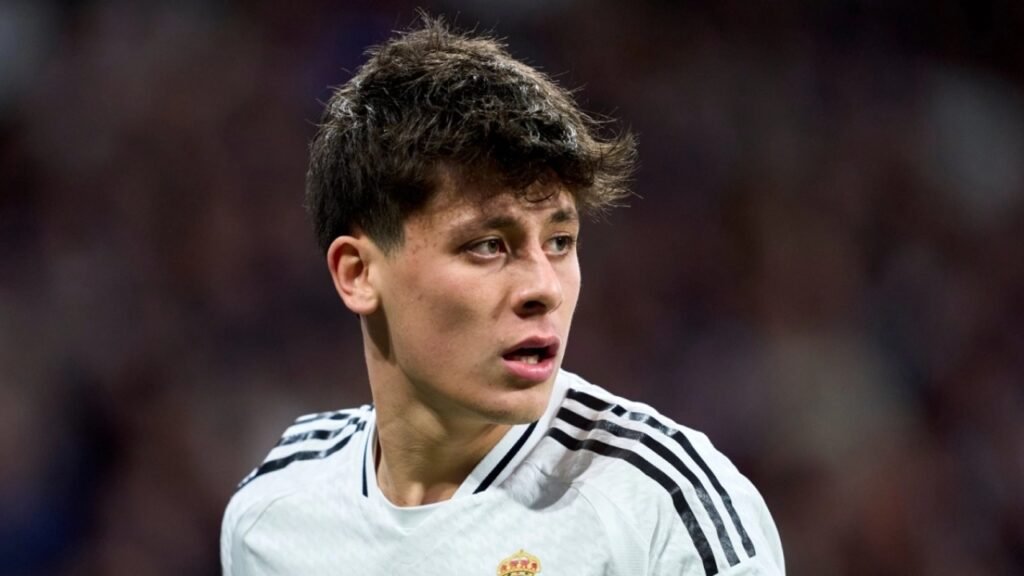
At the higher end of ambition lies Arda Güler. Technically gifted and fearless in possession, the 21-year old Turkish midfielder shares Bruno’s appetite for risk and long-range shooting.
His vision and creativity make him stylistically compatible, yet questions remain regarding availability, physical development, and the financial feasibility of a transfer from Real Madrid. He represents a high-ceiling but complicated pursuit.
6. Florian Wirtz
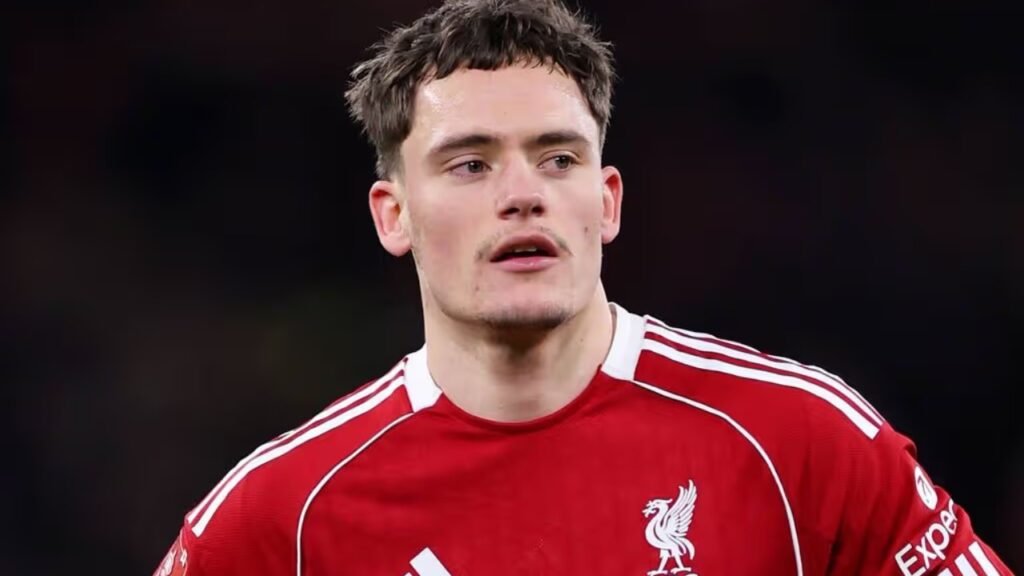
The dream acquisition, however, would be German attacker Florian Wirtz. Arguably one of Europe’s most complete young attacking midfielders, Wirtz combines spatial intelligence, composure, and consistent end product.
The Liverpool youngster is calmer and more efficient than Bruno, yet equally decisive in the final third. Manchester United have historically flourished when built around a central creative force, and Wirtz would not merely replace Bruno, he would elevate the role.
The obstacle, unsurprisingly, would be financial magnitude and intense competition for the 22-year-old from Europe’s elite clubs.
7. Cole Palmer
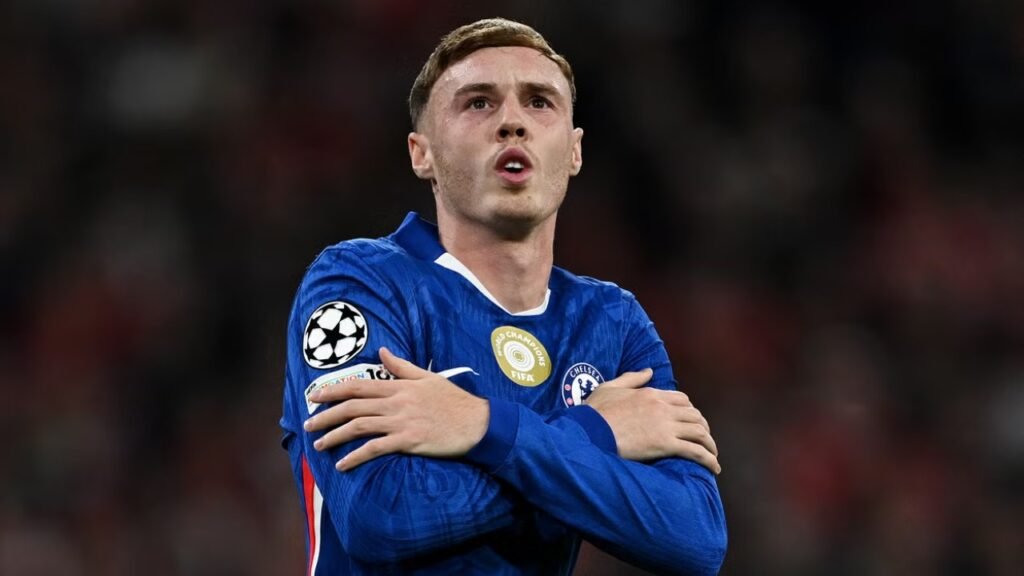
Cole Palmer is frequently mentioned in connection with Manchester United, and according to multiple reports, the club’s management is keen on him as part of a long-term attacking rebuild. His output, composure in high-pressure moments, and positional flexibility make him one of the Premier League’s standout young stars.
However, stylistically, Palmer does not mirror Bruno Fernandes. Where Bruno thrives on chaos, vertical risk-taking, and emotional intensity, Palmer operates with control and calculation.
The 23-year-old Englishman prefers structured buildup, measured decision-making, and intelligent positioning over relentless high-volume pressing and constant low-percentage through balls. Bruno often forces the game to move faster; Palmer tends to slow it down and manipulate space.
That contrast does not diminish Palmer’s quality, in fact, it highlights a broader tactical decision facing United. If the club intends to transition toward a more possession-oriented, system-driven identity, Palmer could be an ideal centerpiece.
But if the blueprint remains built around high-intensity pressing and risk-heavy central creativity, his profile represents a stylistic departure rather than a like-for-like successor.
Replacing Bruno or redefining the system?
Ultimately, planning for life after Bruno Fernandes is less about replacing a name on the teamsheet and more about defining Manchester United’s next tactical identity.
Bruno may still have a few elite seasons left, especially given his resurgence, but the physical demands of his high-intensity, risk-heavy role mean succession planning cannot be delayed indefinitely.
Whether United choose a like-for-like creative hub such as Morgan Gibbs-White, a fluid technician like Xavi Simons, a wide disruptor such as Yan Diomande, or even reshape the system around a different profile entirely, the decision will signal more than just a transfer strategy.
Replacing Bruno is not just about maintaining creativity; it is about choosing the direction Manchester United want to move in next.

