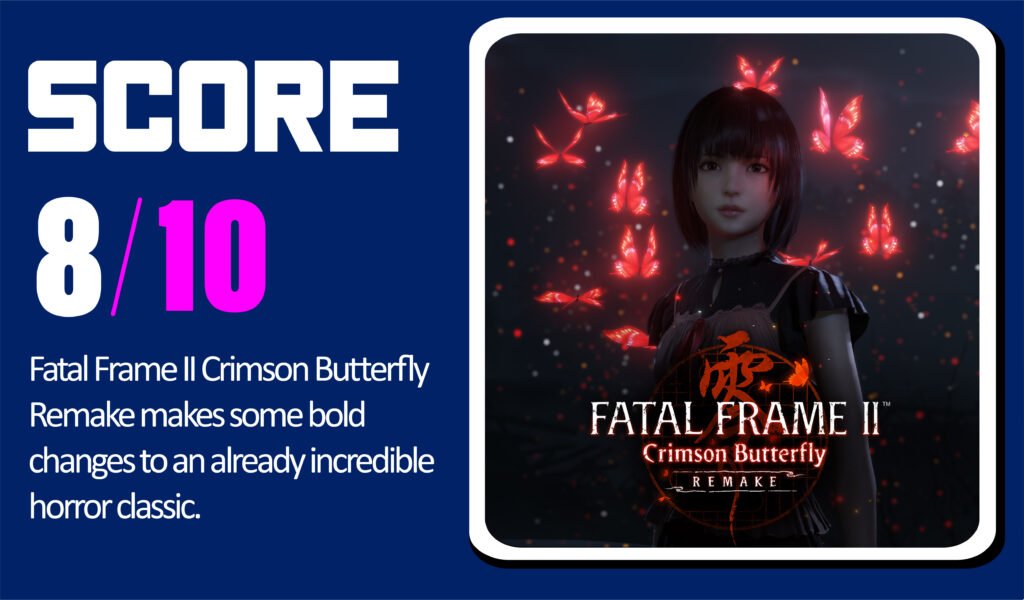
Koei Tecmo’s Fatal Frame, or as it is called Zero in Japan, was one of the prominent survival horror titles that stood alongside others in the genre, back in the sixth console generation.
Every major survival horror game is known for a unique trait that contributes to why each has its own fanbase. For Fatal Frame, it was the genius of Camera Obscura that drew me and many other fans alike close to the games.
It went on to inspire indie games like the DreadOut series, which make use of a camera during combat. But even after its influences, the Fatal Frame franchise did not reappear in the modern console generations.
That is, until 2021, when Koei Tecmo started doing a slew of remakes. Starting with remastering the Maiden of Black Water, and then in 2023, bringing back the Mask of the Lunar Eclipse.
In 2025, during a Nintendo Direct stream, the franchise once again made an appearance, announcing that Fatal Frame II: Crimson Butterfly would be getting a remake from the ground up.
I was lucky to have received an early copy of this game for review. This would be the second time that this iconic game got a remake. The previous one was Project Zero 2: Wii Edition, which was released on the console back in 2012.
Note: The review may contain some minor story-related spoilers.
The basic premise of Fatal Frame II
But before we get into more details, it’s better to familiarize ourselves with the setting of this franchise. Unlike a zombie apocalypse or dealing with straight-up monsters, Fatal Frame is a series that I fell in love with for its J-horror aesthetic.
Capturing vibes similar to watching cult classic horror films such as Ringu and Ju-On. The retro VHS quality, coupled with a story that alludes to ghost towns and abandoned villages marred with curses, is something that should be perfect for the medium of video games, and it shows in this franchise.
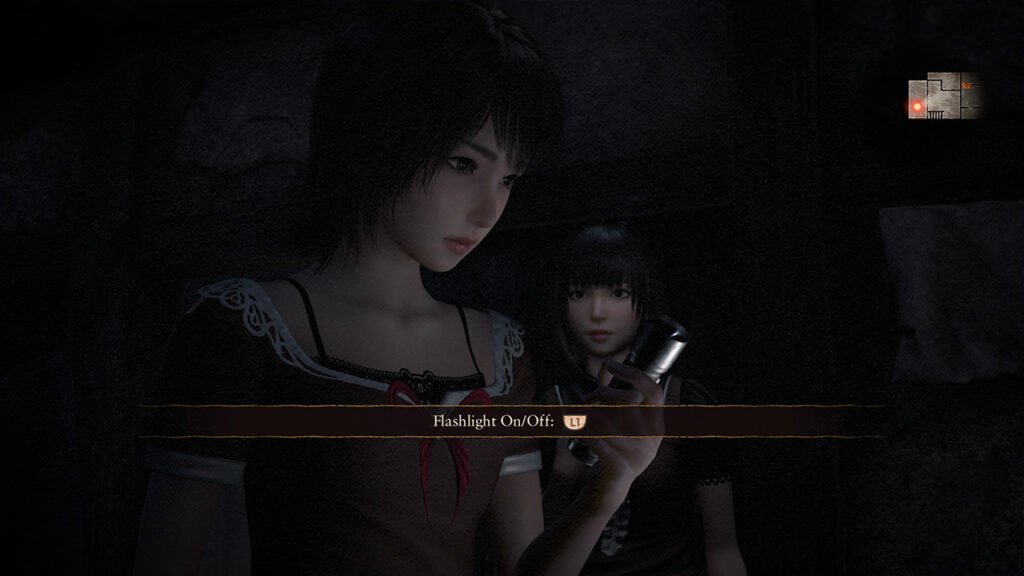
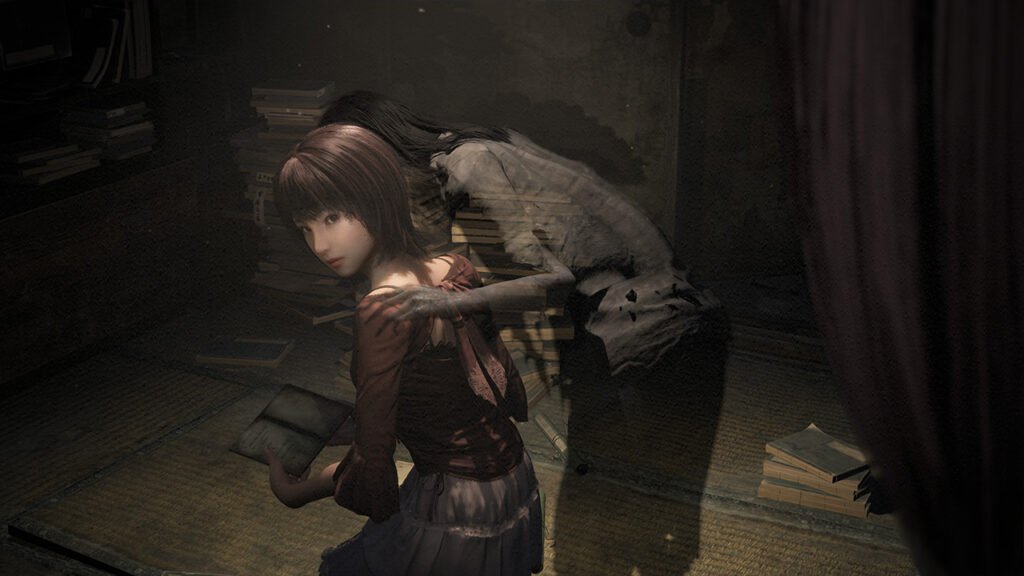
The primary enemy type in these games is vengeful wraiths, who are all too eager to jump at you at any given point. This is where the series shines with its unique system surrounding the Camera Obscura, which is used more as a weapon and less as a tool for scenic photography.
Fatal Frame II has changed a lot since its earliest iteration on the PlayStation 2. This is a game that is working with a story that worked really well back in the day, so all it had to do was set things in motion once again
Did it succeed even though the game has significantly changed in other aspects? Well, I will have to say yes.
Fatal Frame II’s Story is for the occult enthusiasts
Crimson Butterfly follows the tale of sisters Mio and Mayu Akamura, who find themselves in an abandoned Minakami village that’s hidden in a dense forest in the middle of nowhere. They soon find out that they are not the only guests in this village that’s enshrouded in darkness.
After spending a few minutes investigating one of the abandoned establishments and encountering some of the hostile wraiths that reside there, Mio and Mayu are separated. The game properly starts from this exact point.
As mentioned earlier, the original title drew me with its plot surrounding curses and occult mysteries. The team of developers has done a great job in preserving the original plot that still evokes the feeling of treading into curses and investigating occult symbolisms.
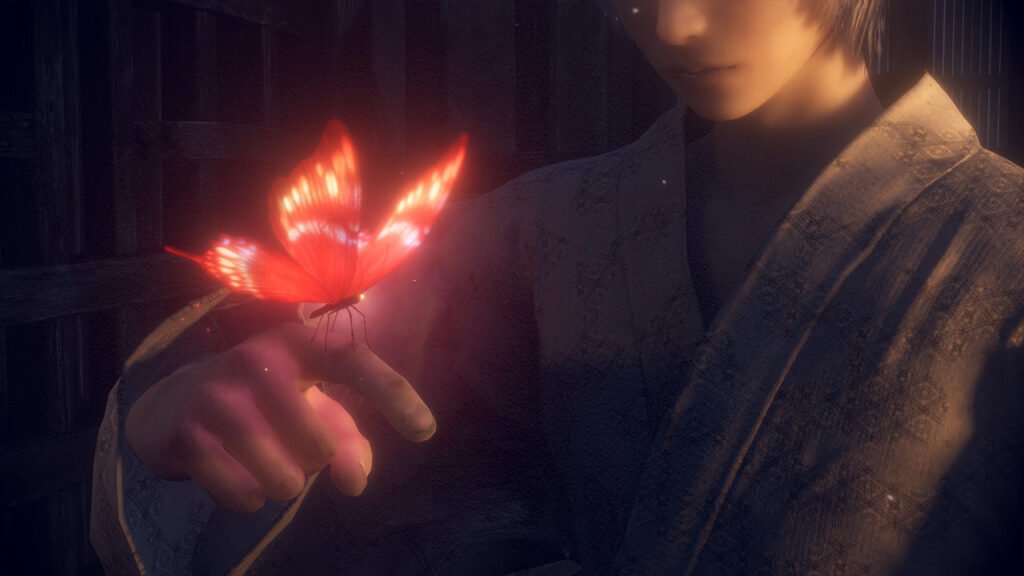
Speaking too much about the story would be spoiling those who have been waiting for the release. So I will refrain, but I can assure you that there are some genuine moments of twists and turns that helped keep me glued to the seat for hours.
Added to that is the fact that the game boasts multiple endings, one of which is a special one that can only be obtained after beating it for the second time on Nightmare Difficulty. I found myself sinking well over 20 hours into the game.
Bold new visual flair works well with the franchise
Booting up the game for the first time made it apparent to me that the game does a really good job of recreating cutscenes from the older game with its newer engine and character models.
Initially, I was skeptical about the game not living up to the charm of the original title because of updated visuals and modern system mechanics. My worries were quickly dispelled after I learned from a Gaming Bolt interview that the original creator of the series, Makoto Shibata, reprises his involvement with the franchise.
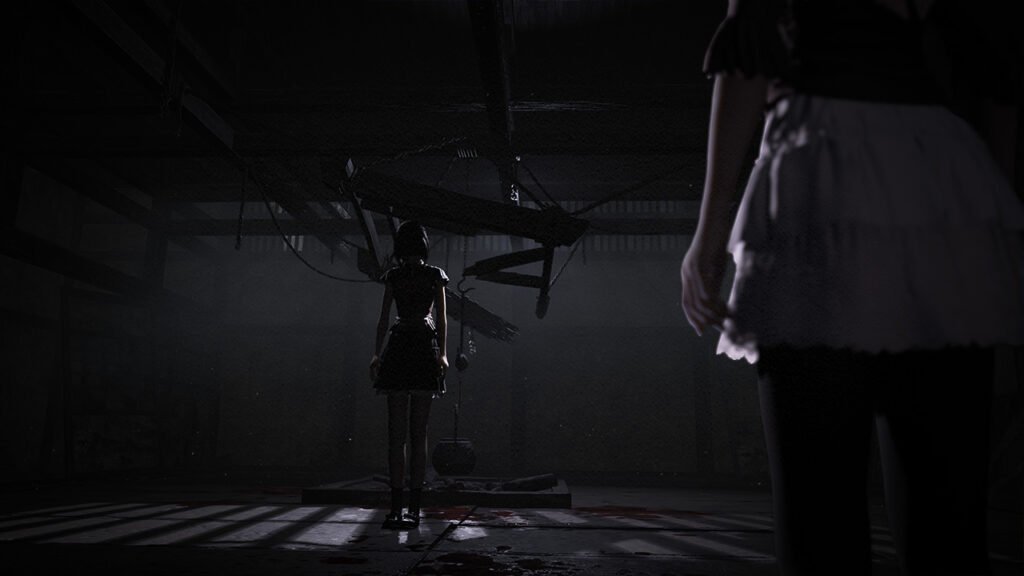
Progressing a bit through the game, I could easily tell how important it was for him that people behind this remake to approach it from a place of passion for the franchise. But somethings have changed significantly, which I need to talk about, as it impacts a lot of how much my appreciation for the original game differs when compared to this one.
Missing aspects of the original game
Post PlayStation 2 era, the Fatal Frame franchise had to leave behind the fixed camera perspectives, just like many other games back in the day. I did not realize how much that camera mattered in creating the sense of dread that one seeks in occult media.
The new game adapts the series’ third person camera perspective, which greatly diminishes the intensity of stumbling across a haunting. Experiencing the PlayStation 2 game feels like I am watching a cursed VHS tape that will come back to bite me in real life.
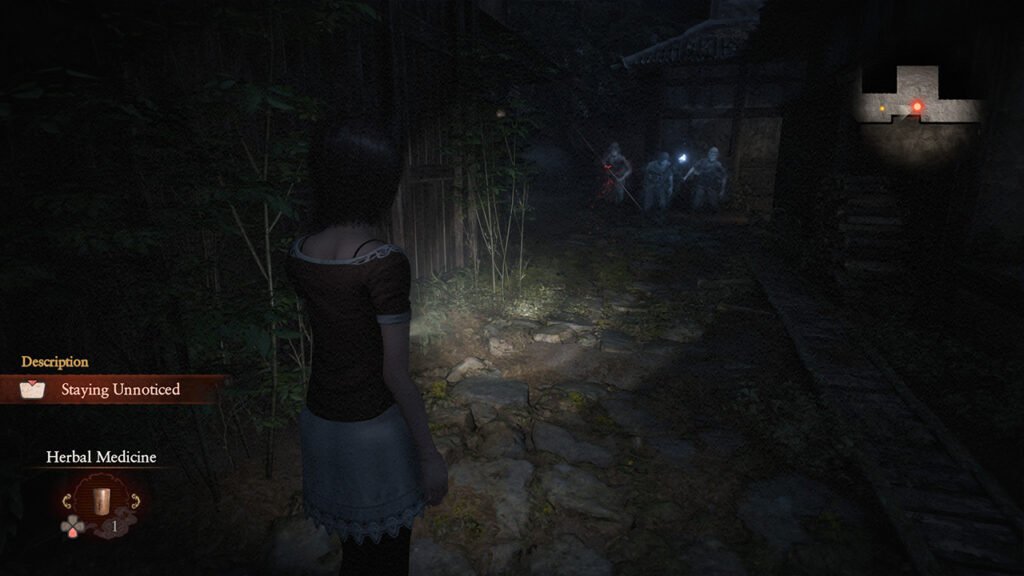
I had to come to terms with myself that I will never get the older visual style back. Fatal Frame II: Crimson Butterfly remake uses the new Koei Tecmo game engine that is designed for the modern generation of gamers in mind.
But that is also why this is a great entry point if someone is looking to get into it for the first time. The game looks absolutely stunning with HD textures and wide-screen support. I checked the game out on my fairly modern PC system that uses an RTX 3070 Ti, and I am glad to say that the game performed flawlessly.
Combat brings back the old Fatal Frame jank
Some of the newer changes applied to this game may be a disservice for some oldheads like me, but they are necessary quality-of-life changes that add to the experience. Being able to sail between items with the press of a dpad during combat adds to the tension.
But it’s not all fun and smooth sailing. The rigidity of movement and aiming with the camera obscura during combat still feels the same. This may be good news for older fans. It will make them feel right at home. But for newer players, it may be a huge deal breaker.
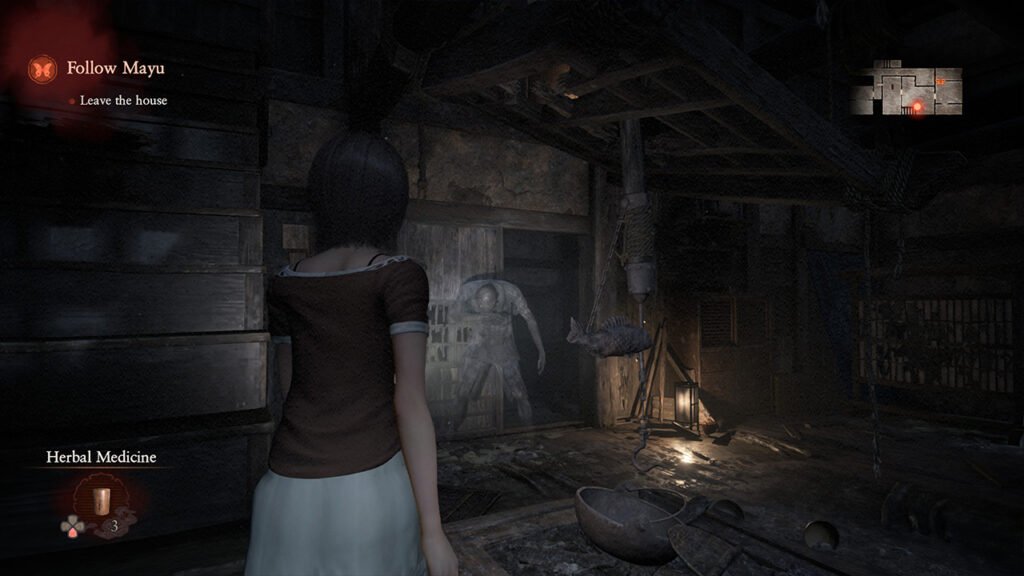
Having to deal with dodging away from the enemy’s attacks, while also maintaining the willpower gauge, which is kind of like a stamina bar, is fairly challenging.
Other than positioning yourself for the perfect snapshot, you’ll also have to keep in mind that you may run out of film, which is your basic ammunition in the game.
The wraiths are ruthless and will not wait for you to get used to the combat. They are always waiting to ambush, either at the other end of a sliding door or looking to clutch on to Mio’s arm when she tries to pick up items lying around.
I often found myself dying multiple times due to combat encounters taking place in small spaces. They would jumpscare me mid combat that would stun and completely drain the willpower gauge. Some even employ ranged abilities that grab and pin me in places.
Dodging and running around is sometimes futile because some of the ghosts have absurd hitboxes, and they keep teleporting out of the line of sight. Mio will often fall down after taking damage. This is when the wraiths gain an upperhand and a mini game ensues, which, if the player wins, gives the chance to recover a huge amount of willpower.
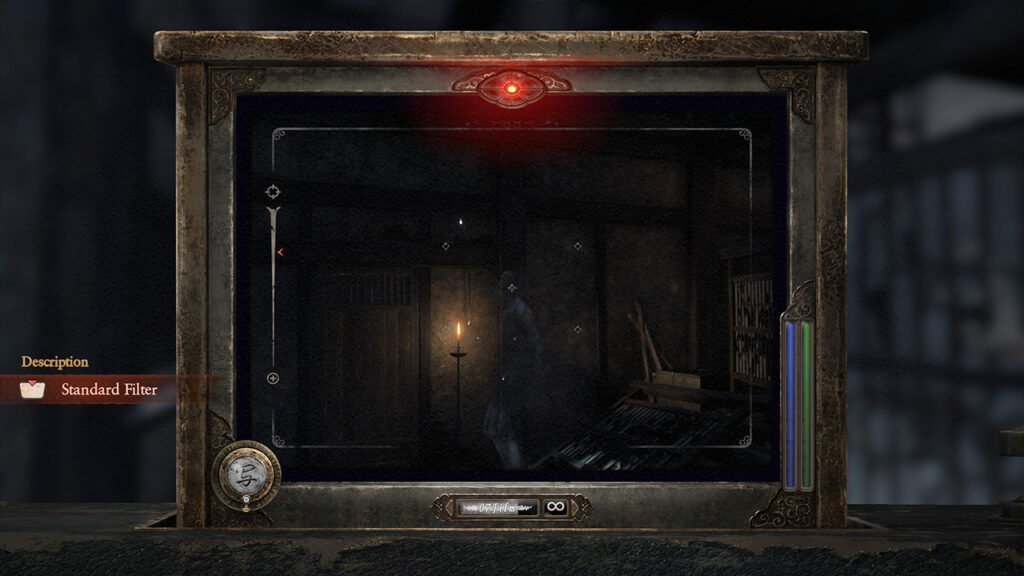
Getting used to this seemingly obnoxious camera combat takes a while because there aren’t a lot of quality-of-life changes that improve this part. But once you get past it, what comes next is a good old school horror game.
Camera Obscura maintains the franchise’s identity
The Camera Obscura is important to the identity of the franchise. Even though it has changed a lot over the years with additional gameplay systems, at the end of the day, it is pretty much like a gun that is specifically designed to combat spirits. It uses film types as ammunition, and you start off with Type 07, which has infinite reels.
Progressing through the game, you will come across several types of film reels that are limited in number, but each have their own unique speciality. Some are powerful, do massive damage, but are slow to reload, while others load fast but are not so great at taking down super wraiths.
You switch between these film types during combat while holding the camera and then pressing the D-pad, but remember, changing films will reset reload time.
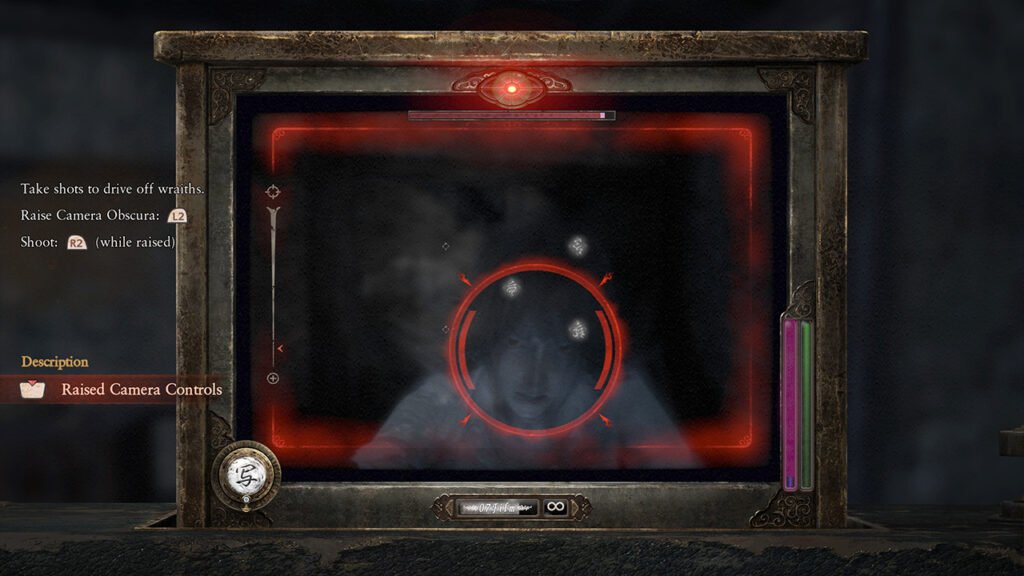
So while there may be handholding and a lot of quality of life that makes things easier, the systems that make a classic survival horror jank good still exist at its core.
Throughout the game, I went around planning my routes, conserving items, solving puzzles, all the while having to handle ghost encounters, and it did not feel repetitive. This is because the game boasts a fair bit of customization with upgrade systems that make the whole experience less linear.
The game offers a slew of customizations
Aside from being able to purchase charms and other necessary items from the various save points in the game. Fatal Frame II: Crimson Butterfly offers cosmetic customization, which can be switched around from the save menu.
Players collect special beads across the game’s maps, which can be assigned to level up various aspects of the camera and Mio’s combat capabilities.
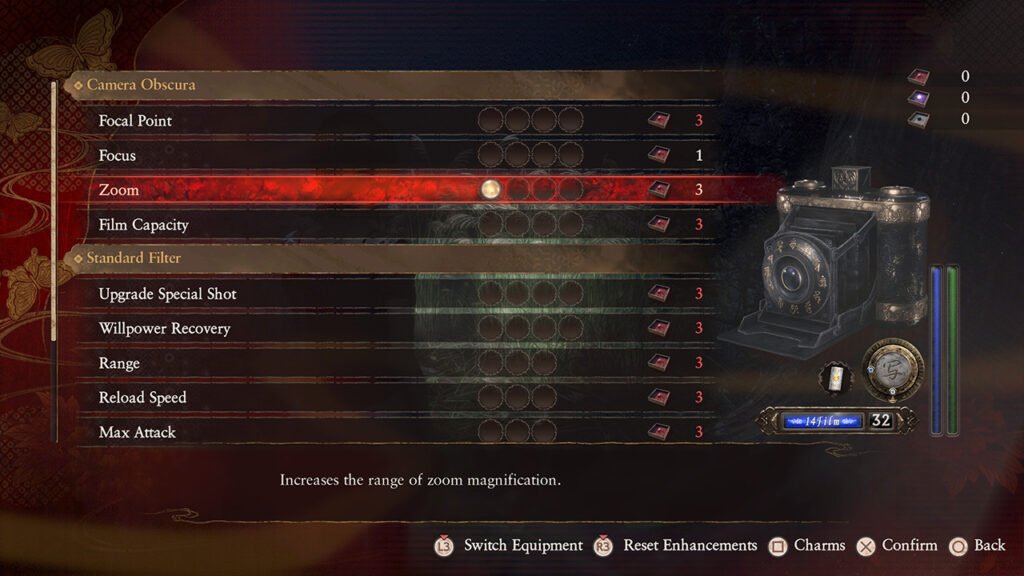
Beware, though, if you use up a bead by mistake for something you didn’t want to level, there is no going back. The only way out of this is to use a special jewel that allows for the respec of skill points.
You will also find charms or other benevolent items that work as add-ons to gameplay. Each of them comes with select enhancements, thus also bringing about a new dynamic in the game’s replayability.
The Game is riddled with interesting secrets and unlockables
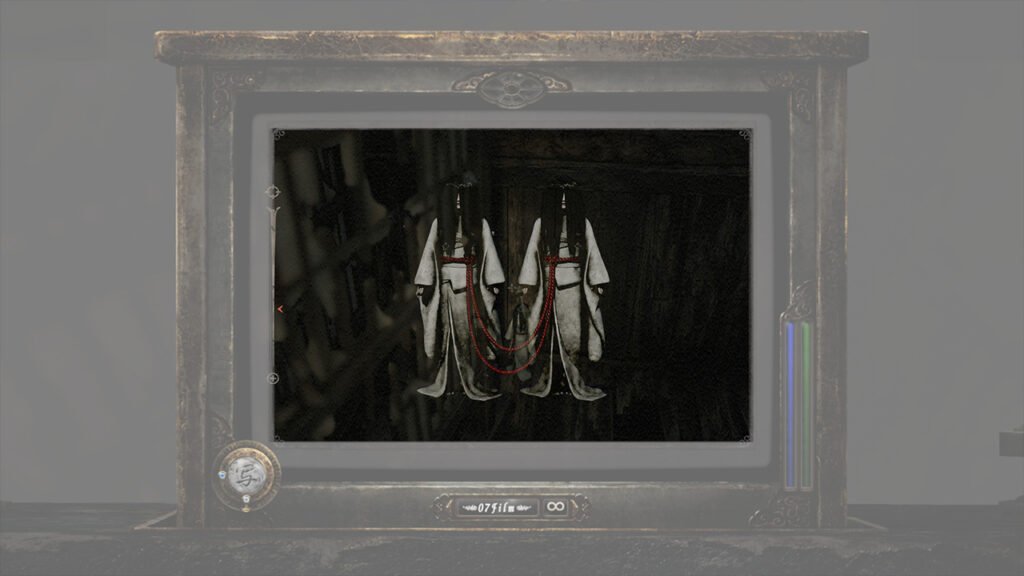
The Minakami village is filled with the twin motif that’s related to the game’s plot. It ties into a fun mini game where I needed to look for twin maiden statues and take pictures of them in the same camera frame.
You will find item descriptions in the form of notes and diaries that are left by dead residents of the village; reading them helps you piece together the story surrounding the twin motifs. These notes provide further info behind the deaths of the residents and their backstories.
Fatal Frame is not a bright and sunny game, and that is fine. The notes help humanize these wraiths from being mere ghosts that you encounter. They were once living and breathing residents of this mysterious village.
These puzzles and unlokables help incite replayability, which is accentuated by the game’s several customization systems, so no playthrough will feel the same as the other.
Atmosphere and sound design are the shining stars of the show
Alongside the story, the game’s atmosphere takes front seats as well. We recommend using headphones while playing this game, as it adds to immersion. Also, what are you doing if you aren’t playing a horror game with headphones on and the lights out?
I was told that the game uses special spatial audio for its sound design. To concur, I could feel the dread of being lost in the hellish Minakami village. Sound cues are very well designed to accentuate the jumpscares in this game, which otherwise would have been very annoying.
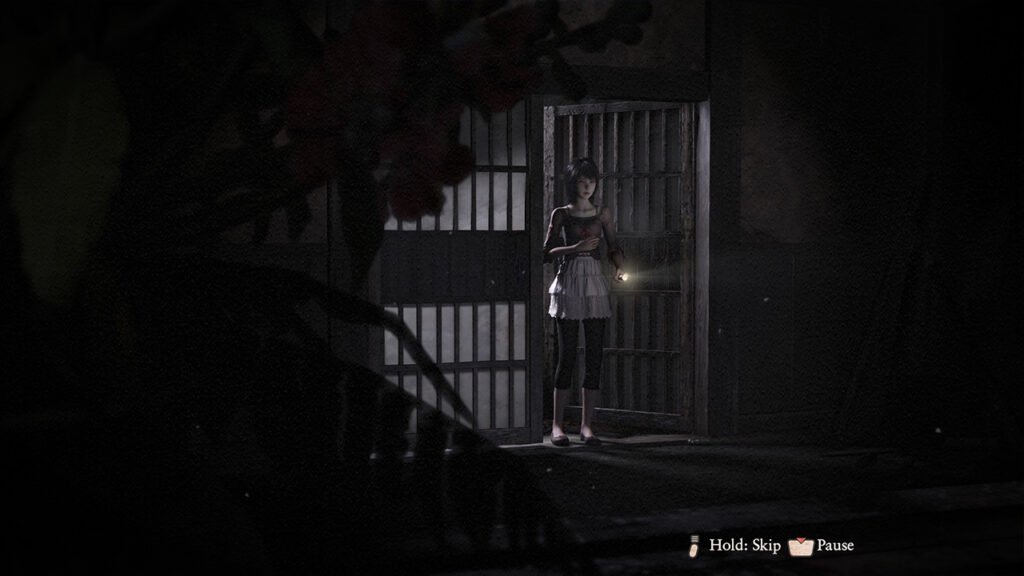
The camera will be ineffective against particular wraiths, and you will have to rush to look for a hiding spot. Even as a seasoned horror game player, these moments, when coupled with the sound design, genuinely gave me sweaty palms holding the controller.
There are also moments where I lost my patience due to the combat situations not panning out the way I wanted. Thus making me reload save files multiple times, and I cannot stress enough how much the sound design helped ease out the irritation, by keeping me on edge at all times.
Final Verdict about who should be playing this game
So, after having talked about everything that this remake has to offer, I still have to decide who this game is for and if it is worth the price tag that Koei Tecmo is offering it for. Well, there will be two kinds of audiencecoming into this game.
Those who are fans of the horror game genre but are very new to Fatal Frame, and this could be their first foray into the franchise. The others will be old-school fans of the franchise who have been waiting for the series to make a comeback.
I come from the latter category of players, and all things considered, I was initially very skeptical about the changes, to the point of leaning towards negativity. There will be many who will pick this up for the sake of nostalgia and end up being disappointed because it’s not the exact same experience.
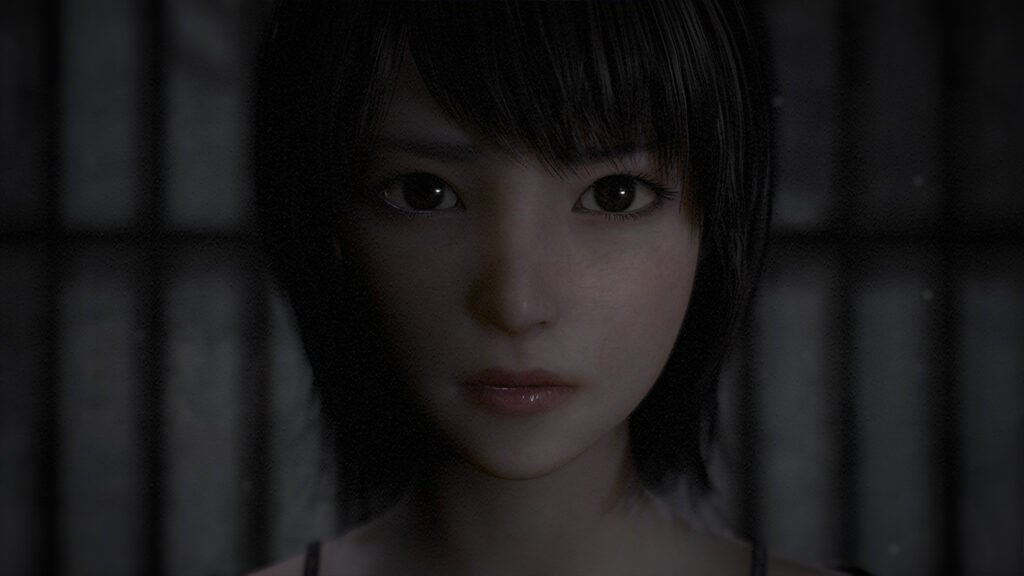
Fatal Frame II: Crimson Butterfly remake grows on you over time. The more I progressed with the story and got used to the flow of gameplay, I came to realize that it achieves a good middle ground between the nostalgia for the PlayStation 2 game while also introducing modern gameplay elements from the later entries in the series.
This brings me to the first category of players, who will be going into it for the first time. Honestly, it’s worth checking out. It might not stick out for everyone because the jank of Camera Obscura combat is not for the faint of heart.
But this could also very well become your next favorite game and an avenue to get into the rest of the Fatal Frame series. Which is why this one is well deserving of an 8 out of 10 score from us at Backdash.
It seems like the franchise is still in good hands, churning out remakes from the classic library. Eventually, I would hope these efforts will translate into a brand new entry in the series.