
A legal agreement signed between Google and Epic Games recently has sparked an intense online debate on “can corporate settlements silence genuine criticisms for almost a decade.” The deal, which is revolving around the Play Store commissions dispute, has reportedly restricted Tim Sweeney from disparaging Google till 2032. It raises some serious questions about free speech boundaries within business contracts. It also shows how Sweeney now till 2032 will be doing absolutely nothing.
Tim Sweeney-Google agreement raises eyebrows all across the internet
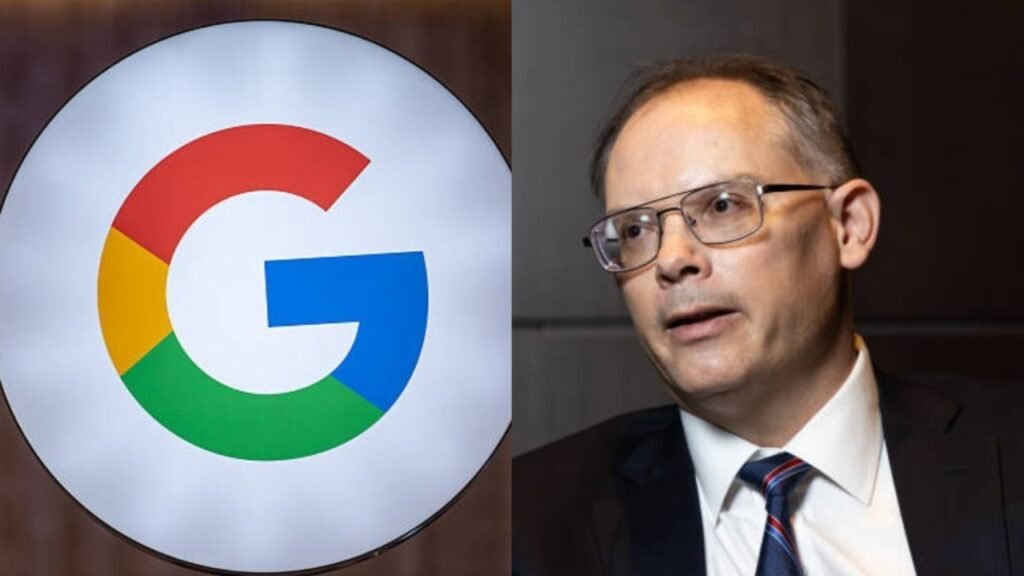
Since the details about the settlement between Epic Games and Google emerged, the internet has been buzzing with concerns about free speech. The outspoken CEO of Epic Games, Tim Sweeny despite knowing none are perfect, has now signed an agreement which restricts his ability to critique Google till 2032. The deal that is part of a broader resolution over the commission dispute of the Google Play Store has reportedly kept Sweeney from badmouthing them for almost a decade.
The terms that have surfaced on social media have sparked immediate debate about whether such clauses should be legal. Moreover, under this agreement, Sweeney cannot sue Google or make any disparaging public statements about the app store practices of the company. The contract needs him to publicly support the App Store operations of Google as pro-competitive and beneficial to the ecosystem of Android devices.
Now, what makes this agreement striking is the timeline of this deal. As per the provisions, that would remain in effect for 5 years, after Google finalizes its service fee changes, which the company expects to be completed by 2027 mid. It effectively silences the most vocal critics of the tech industry till September 2032. Not to mention, Google would also monitor public statements of Sweeney to ensure compliance. He might even need to defend his arrangement in the international courts, if that is needed.
Social media reacts to First Amendment violation
Reactions have poured in across social media platforms as users grappled with the settlement’s implications. A user bluntly called it all a “literal first amendment violation in the form of an agreement,” ensuring to capture the sentiment that contractual silence must not override the constitutional protections.
Another observer then quipped that this settlement represented “Silicon Valley peace treaty: ‘you win the lawsuit but lose your right to tweet.’”
The scepticism has not been limited to just casual observers. Some industry watchers noted that such strict settlement terms show how high the stakes were within Google Play battle.
A comment put this emotion just right, suggesting, “A settlement that includes a ‘no criticism’ clause until 2032 says a lot about how high the stakes were in the Google Play battle. The business war may be over in court, but the impact on app store power and developer freedom will keep being debated.”
Some observers even questioned the entire arrangement’s legality. A user asked, “how is it legal to even write and make someone sign a piece of documentation stating you won’t criticize a company for 6 years… what a world we live in, huh. doesn’t that like… go against first amendment rights or something? freedom of speech? crazy.”
While many were on Sweeney’s side, not all sided with him. A critic called him “a crybaby,” suggesting that the billionaire CEO only cares about squeezing in profits instead of consumer choice.
Notably, Epic Games has responded and clarified that, “Criticism is still free and clear between Epic and Google outside of talk about app store distribution/ fees. But other topics are fair game!”
Tim Sweeney has a history of calling out Google and its practices
Before the settlement, Tim Sweeney built his reputation as the most persistent thorn of Silicon Valley, on the side of app store monopolies. It is during 2023’s antitrust trial against Google that Tim Sweeney calls out the company “crooked” and accused it of using some unethical tactics for protecting Play Store payment system. He then described the offer of side deals by Google—including a $147 million proposal—a part of the “crooked arrangement” for preventing competition.
Grievances of Sweeney run deep. He argued that the dominance of Google over Android app distribution has created an unfair landscape wherein developers have very little choice but to accept the terms of the company. When Epic tried to distribute Fortnite directly via its website in 2018, bypassing Play Store fees, its experiment failed largely as most users preferred Google’s official store convenience.
The CEO even took aim at the security warnings of Google about sideloading applications, viewing them all as scare tactics for maintaining control. He compared the policies of Android to the restrictive approach of Apple, arguing that both companies engage in a similar type of anti-competitive behaviour, despite all their technical differences.
Attorney of Google fought back and painted Epic Games as a greedy company that is unwilling to pay its fair share. However, the testimony of Sweeney resonated with many developers who felt like they were trapped by the 30% commission structure.
Sweeney’s courtroom statements reflected years of frustration with what he viewed as digital gatekeepers abusing power. Now, under settlement terms, all his fiery critiques will have to wait till the next decade.

