
The June State of Play had a very long introductory segment that geared quite a bit toward Insomniac Games’ upcoming Wolverine title. While the showcase was put together simply to create some hype around the upcoming release, I personally felt that it was pretty underwhelming.
Now, don’t get me wrong, I am sure that Marvel’s Wolverine will manage to be a decent enough few hours of cookie-cutter superhero mayhem. But I felt that really wasn’t the point.
Ever since the Batman Arkham series debuted with Arkham Asylum all the way back in 2009, everything has felt like an iteration of the same old formula.
Of course, we have had a lot of exceptional games in the years since, like Guardians of the Galaxy, Deadpool, Marvel’s Spider-Man, as well as the recent string of LEGO games. But these were far from the norm.
It’s no news that the AAA video games industry has been churning out low-effort slop for a while now. Superhero games in particular have been suffering quite a bit, and you can feel the fatigue towards the genre, especially after the disasters that were the live-service Marvel’s Avengers game and Suicide Squad: Kill the Justice League.
So, what the Wolverine showcase made me realize is that there needs to be a game that helps redefine the tried-and-tested formula that Arkham Asylum has set in stone so many years ago.
Because I don’t know about you, but I am personally getting pretty tired of having the same game getting shoved down my throat over and over just because it has been repurposed with a new skin.
So, what makes a good superhero game?
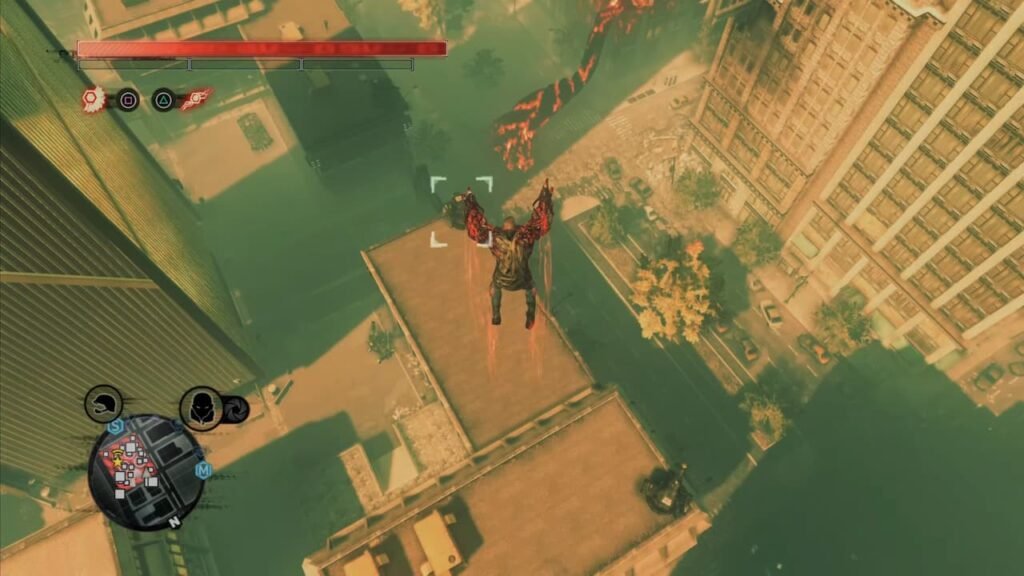
Of course, superhero games aren’t just limited to comic book characters – there have been quite a few original IPs. Infamous would be one of our top choices here, and it’s really a shame that Sony hasn’t returned to it yet (which is honestly something you can say for a lot of its other franchises, really).
Now with the current state of superhero games, everything seems to be made of the same cookie-cutter mold, which has always been an iteration of the Arkham formula in some way or the other.
Still, perhaps the most influential (and differing) ones of them might just be Prototype, a game released about the same year as Arkham Asylum. The first Prototype game lets you play out that superhero fantasy with a grim, gritty, and dark narrative, painting the protagonist as a complex anti-hero over your traditional heroic role.
It was a fascinating video game, and one that holds up even well today. Prototype 2 was also massively popular, was well received, and it really is kind of unfortunate to see the franchise left in the dust. Then again, a lot can be said about giant gaming conglomerate policies and their tendency to run great franchises into the ground, but that’d be me waffling around.
For me, superhero games essentially boil down to three factors – a sense of overwhelming power, a large-scale, interactive game world, and a compelling story that manages to keep the player engaged and relate to the protagonist.
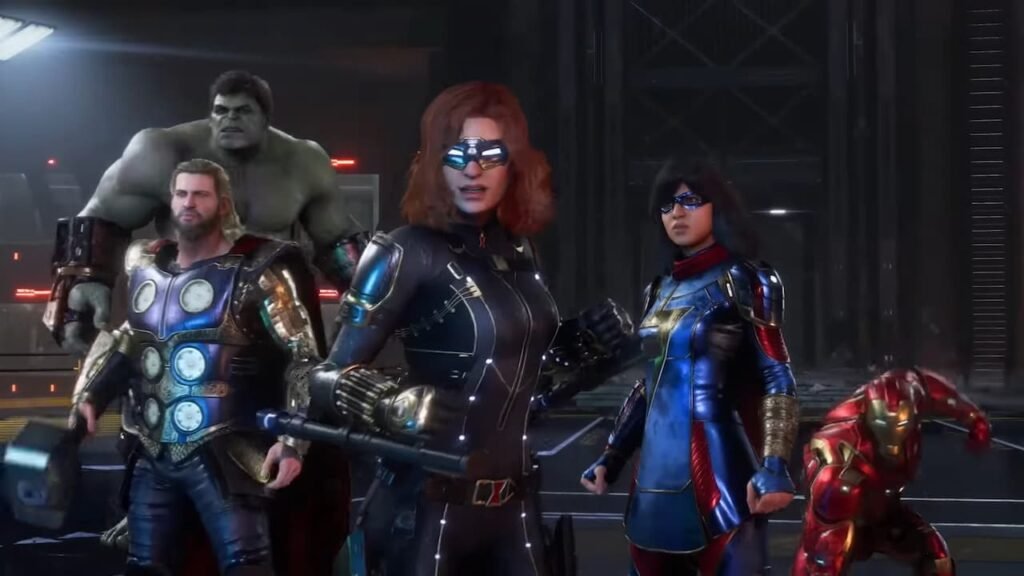
Unfortunately, nailing all three factors is incredibly difficult, and if you do not manage to capture that ‘lightning in a bottle’, it’s pretty much not worth it. Which might be why we’ve not seen a lot of ‘great’ superhero games as of late.
Marvel’s Avengers completely missed the point of making a Marvel game. And this is where I feel games like Marvel Rivals separate themselves from it. Even though it’s not a single-player couch gaming experience, there are all kinds of gamers coming in to check it out because of the unique visual flair it offers.
Capcom in the 90s had already perfected this with their Marvel vs Capcom fighting games, which have now become one of the most recognized franchises in the genre. So much so that Marvel and PlayStation have actually teamed up to once again capture that magic with Arc System Works’ own Marvel fighting game: Tokon Fighting Souls
So, in the Wolverine showcase, what I felt was missing is the visual flair and smear frames that get buried under the objective to make it as realistic looking as possible, in order to capitalise on the modern crowd of Marvel fans. People whose introduction to these characters was only through the movies on the big screen.
Everything changed when Batman: Arkham Asylum made its debut
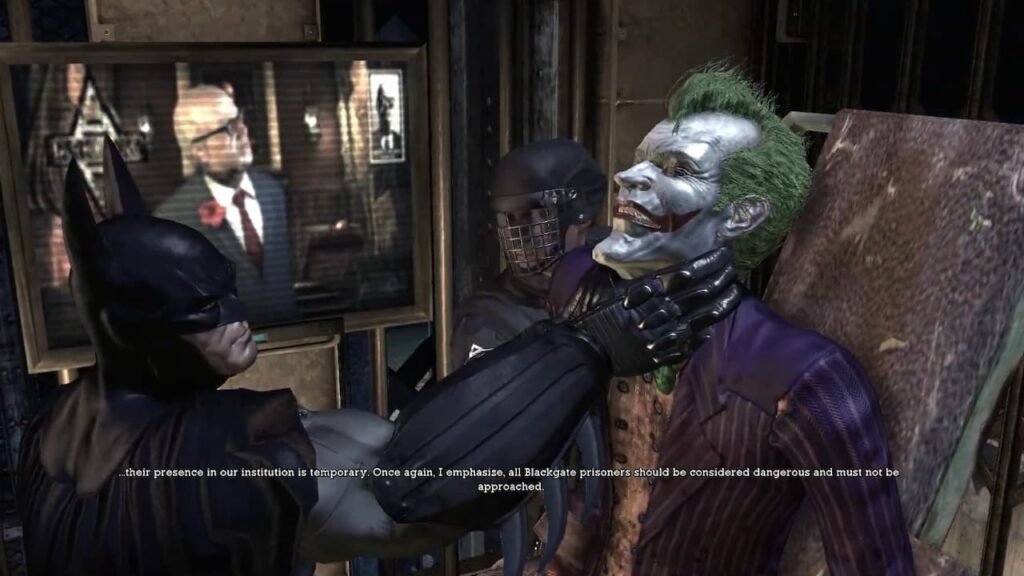
While Superhero games weren’t exclusive to the Arkham series, they sure helped shape the modern-day template for the genre. The then still green and relatively unknown Rocksteady Studios managed to get their hands on the rights to a Batman game back in 2007.
The game spent years in development before finally being released on August 25, 2009 for the PC, Xbox 360 and PlayStation 3, and was an immediate hit. It was praised by both critics and fans, and was one of those titles that made you really feel like you were playing as the World’s Greatest Detective.
There’s just something about the Arkham games that gets the superhero fantasy so right. From its simple but beautifully synchronized combo-stacking combat to its excellent world design and navigation system (gliding around Gotham City is one of the best traversal experiences I’ve had in a game).
Which is doubly impressive when you consider its age. Sure, Arkham Asylum might feel a bit janky by modern standards, but I honestly can’t say the same about the rest, more so for Arkham Knight, which doesn’t feel a day older.
Arkham Knight in particular still holds up incredibly well to this day, and has a ton of things going for it. For starters, the visuals are excellent, and it is really quite an impressive Unreal Engine 3 title.
The combat is perfected over the already well-established one we saw in Arkham City, and managed to become so popular that it got copied over onto a bunch of other games, including non-superhero titles like Shadow of Mordor and War.
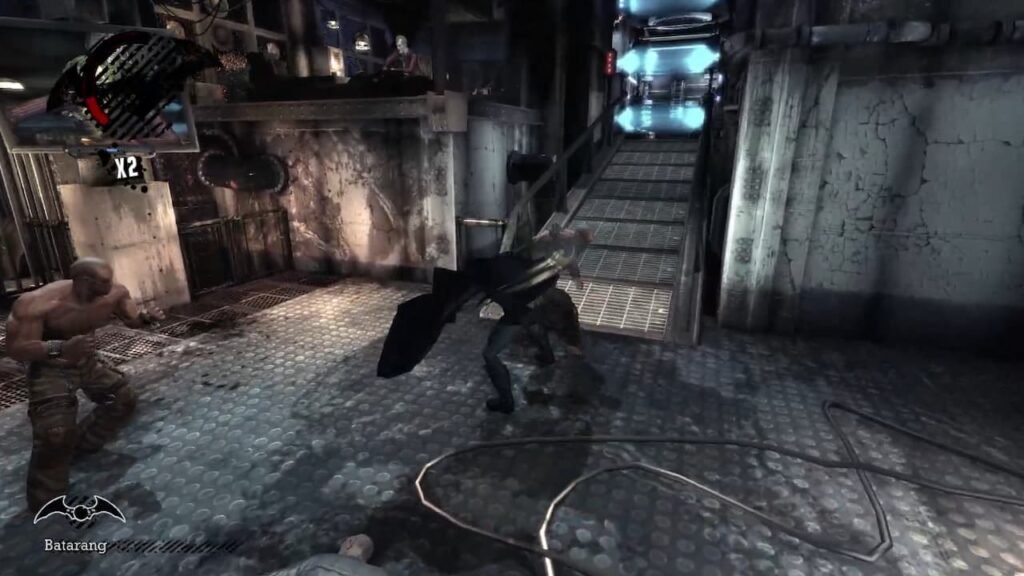
I really can’t stop gushing over the Arkham series’ combat, and it’s a great example of how a simple combat loop can be made into something a lot more complex, powerful – but still remains easy to understand.
It’s satisfying, and lets you lump over an absurd number of combos, and is dead simple to master. Combat is essentially divided into attacks and parries, with a sprinkle of extras such as dodges and gadgets thrown in-between.
If you think, hey, that sounds familiar, you’d be right – this is essentially the same formula we’ve come to anticipate and often loathe in titles of a similar vein, but the Arkham series can be credited for popularizing it.
That’s not all though. Rocksteady really understood the assignment, and the Arkhamverse feels like it’s straight out of a comic book. The Arkham series wasn’t afraid to take risks either, with later entries growing increasingly darker and a lot broader in scale.
Still, there really is something quite unique to the first game. Don’t get me wrong – City and Knight are the far superior titles (by quite a margin), but Asylum just had that extra bit of flair and charm that just doesn’t seem to lose its polish, and is something that you just won’t find in the later entries.
A good example of this would be in its Menus and Character Archives, both of which are presented in a ComicBook-styled format. The tone is also not as bleak, and it might just be those rose-tinted nostalgia goggles talking, but I really do think that Arkham Asylum was a one-of-a-kind game.
And let’s not forget the Scarecrow sequence either, which still is one of the most haunting parts of the whole franchise.
The golden age of superhero games
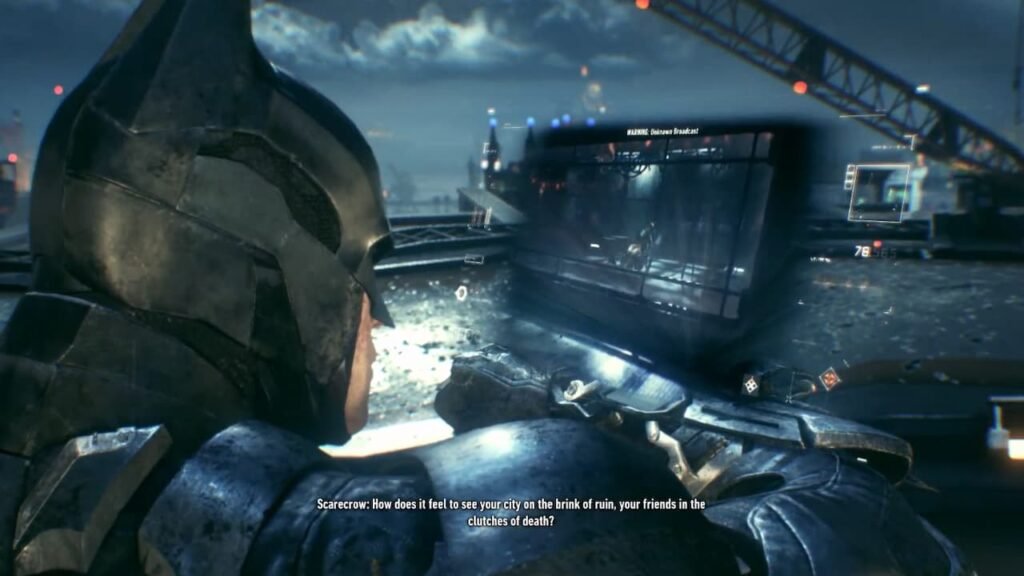
The release of the Arkhamverse was monumental in shaping up the modern superhero video game genre, laying out some basic templates. Asylum laid out the basic combat and exploration, along with stealth, while City and Knight set the tone for a much darker Batman and an open world design that has sort of become synonymous with the genre.
We saw a LOT of ‘inspired’ releases following the massive success of Rocksteady’s superhero franchise involving the Caped Crusader, even in a few unexpected ways. The combat system still finds its way to many games even today, with the basic outline remaining the same.
And, for a while, there really was a ‘golden age’ of superhero games. We had back-to-back blockbuster releases, including the likes of the Arkhamverse, Deadpool, and in more recent memory, Marvel’s Spider-Man.
Marvel’s Spider-Man might seem like nothing more than a reskin of Arkham Knight with a Spider-Man theme, and you’d be right – but to some extent. Both games share eerily similar combat loops, stealth and game progression systems, but the execution is far from similar.
Spider-Man as a character is a lot different from Batman, and Insomniac Games did a pretty great job at getting Peter Parker back onto PlayStation. The franchise really struggled under Activision, as did many other franchises.
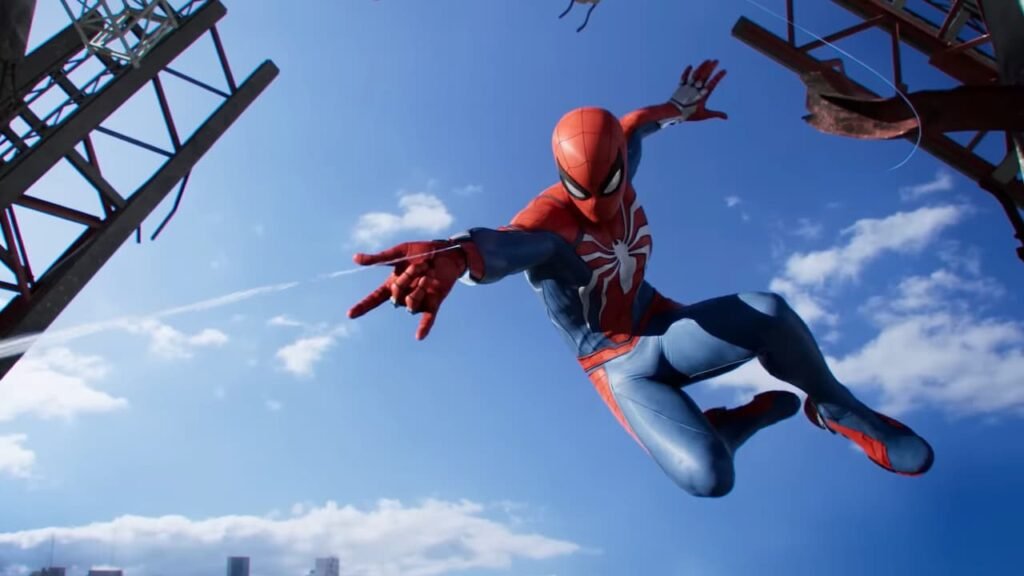
Of course, a great story is only one half of the equation, and there’s the whole gameplay aspect to look at as well.
Insomniac also did a fantastic job here, taking the ‘if it ain’t broke, don’t fix it’ approach. The game heavily takes on elements from the Arkhamverse, applying them to great effect with a good amount of tweaks to keep it fresh.
More importantly, it perfected the (admittedly small) ‘open world’ of Arkham Knight, scaling it over to a full-blown city full of interactive citizens and a bunch of real-time events that made it feel alive.
Swinging through the city felt no less fun than gliding through the streets of Gotham, and the game was just right in terms of content volume.
Which understandably made it such a hit on release.
But, it’s a shame I can’t say the same about its sequel. Now, don’t get me wrong – I don’t think Marvel’s Spider-Man 2 was a bad game, far from it, actually.
It’s just that the game feels more like an expansion to the first one, and there’s barely anything memorable that sticks out for me. The combat, navigation, and stealth feel basically the same, and while there were some impressive improvements, it just felt more of the same.
Which is even more disappointing when you consider the fact Spider-Man 2 felt a lot shorter by nature of its game design. And to make matters worse, some parts of the game felt incomplete, and we really never got the DLC to tie it all down either.
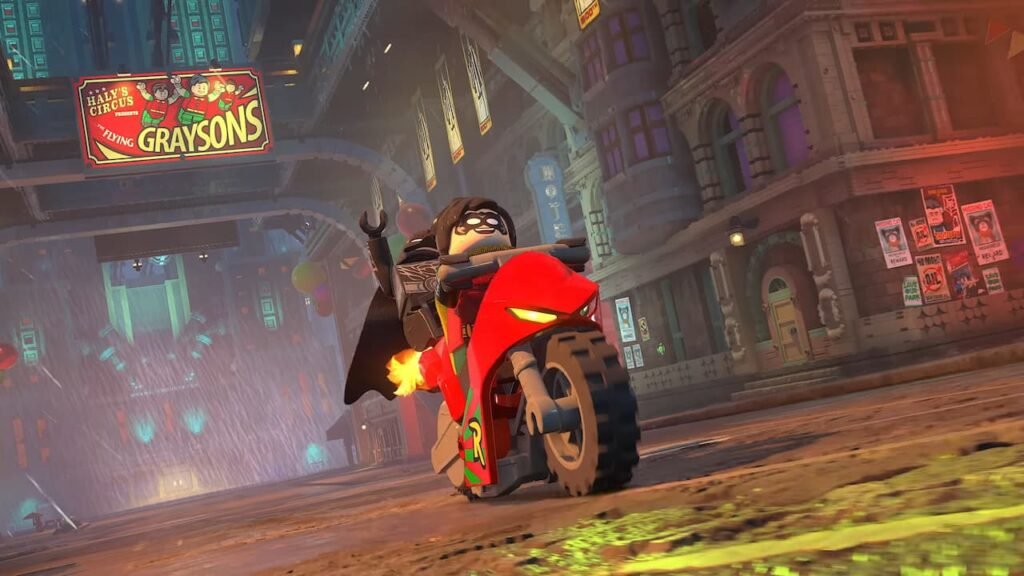
So, on a more positive note, while the superhero game genre looks quite saturated right now, there are some absolutely wonderful games still being released. The new LEGO Batman game, for example.
It’s a game that’s not afraid to experiment and takes generous heaps of ideas from the Arkhamverse, and to great effect. It’s also a case of where imitation makes for the best form of flattery, and the LEGO-styled humor actually works in its favor, being done tastefully without turning it into a cringe fest.
Current gen games and the refusal to move on
Now, comparing and contrasting this to the current generation of video games, you can see that the differences are quite apparent. These feel like sequels for the sake of being sequels, offering little to no meaningful changes over the original.
The industry needs to experiment with new ideas and break free from the same cookie-cutter design. We’ve had a barrage of mediocre superhero slop being shoved down our throats recently, and I’ve had the misfortune of playing through each of them.
My first taste of disappointment was with Batman: Arkham Origins, which felt like a reskin of Arkham City. Still, it wasn’t a terrible game and one that I am guilty of investing a few hours of time in, especially when it came to the Cold, Cold, Heart DLC.
Then came Gotham Knights, which was mediocre at best. Gotham Knights tried to step away from the Arkhamverse’s shadow, but never fully committed to it, resulting in a very disjointed and frankly disappointing game.
Batman’s abilities and expertise were taken from the Arkham games and split between the rest of the Bat-family. Nightwing got the agility and moves, Red Hood got the brawn, with Robin and Batgirl getting the gadgets and problem-solving capabilities instead.
It was a really convoluted solution to a problem that didn’t need to exist in the first place. Not to mention, the story and general traversal movement just sucked, making it a chore to play through.
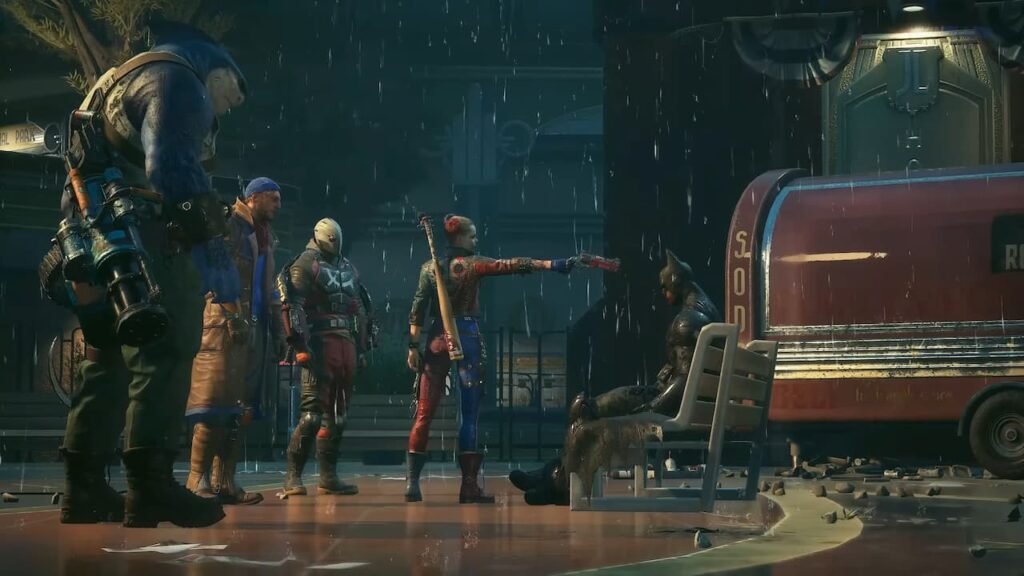
Then came Suicide Squad: Kill The Justice League, a brand-new entry in the Arkhamverse. The premise was really, really good – having the underdog villains hunt down and exterminate the now corrupted and evil superheroes, against overwhelming odds.
But, we all know how that one turned out. There was a lot to dislike with this game, and I can’t even think of where to begin. Still, I’ll address the elephant in the room, which was in its story and content execution.
Kill The Justice League went for a forced live-service model set in a predominantly single-player game. There was a ton of planned post-launch content, and the game looks like it was developed with that in mind, which might be why the base campaign felt so incomplete and horribly rushed through.
Naturally, the game never managed to sell well, and all plans for future DLC were scrapped in favor of a laughable footnote with Deathstroke as its final release.
Still, the most egregious thing the game managed to do was spit in the face of an already established canon. A lot of things make absolutely zero sense (even for a game based on comic book characters), and the treatment of the Arhamverse just felt downright disrespectful.
Would it really come as a shock that most folks really didn’t care about it in the slightest?
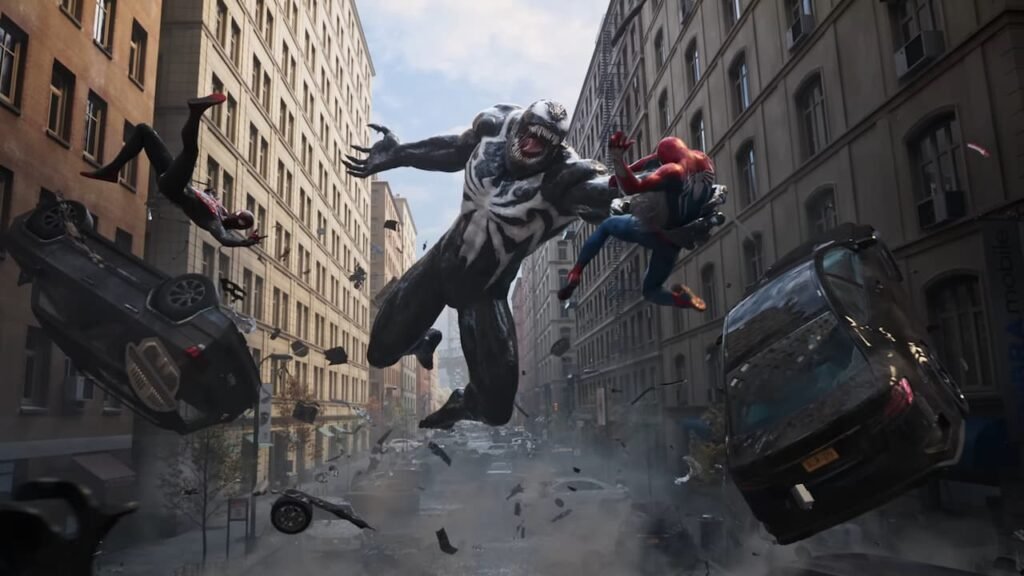
The disappointment train continues, with the release of 2025’s Marvel’s Spider-Man 2, a direct sequel to the short but fun spinoff game, Spider-Man: Miles Morales. There is a lot that is wrong with this game.
I fell into the hype train and pre-ordered it, and actually enjoyed it – at first, anyway. After the honeymoon phase was over, a second playthrough was enough to bring out its many glaring flaws. The story was undoubtedly rushed and had barely anything going for it, only ramping up near the very end, which made for a poor payoff and one thing I hate most in media – cliffhangers.
I don’t dislike the Harry Osborn as Venom twist, but I really do hate how Venom was not given the proper respect you’d expect from such an iconic character. The comic book version of Venom is far more intimidating, resourceful, and has a burning desire to make Peter’s life a literal hellscape.
Contrast this to the one you see in Spider-Man 2, and it’s pretty much as frightening as a small, wet puppy. There’s also the fact that there are some rather questionable game design decisions that just end up irking me to no end.
Spider-Man 2 suffers from a bloated campaign, with too many mundane side missions strewn about. These are boring and serve no real purpose to the overarching story. Now, I’m all for side content, and things like puzzles and collectibles can be fun to hunt down.
But these missions offer nothing of the sort, and reward you by wasting your time with cute little interactions. And I feel therein lies the crux of the problem. The game as a whole lacks a lot of actual content and instead tries to pad it out with side missions.
It genuinely feels like Insomniac Games was holding back content from us, maybe to shoehorn it into future DLC. That never happened, though, and I’m honestly tired of developers segmenting content in DLCs which could have easily been a part of the full game.
Coming back to the present, we have Marvel’s Wolverine. I’m sure it will be a decent action-adventure game for most folks out there, but I hardly see myself getting excited for it. To me, it looks like another reskin of the Spider-Man games, and with most of the combat carried over from the exceptional X-Men Origins: Wolverine game, released back in 2009, and one that I still have very fond memories of.
This is why many will feel that the game will be a spiritual successor to Origins. But from what we have seen of the game so far, the likelihood of it is pretty low.
Nothing feels new or innovative, and it is really hard to get excited for current-gen releases, save for a few notable exceptions.
Sony’s decision to allegedly exit the PC market in favor of console-only exclusives might worsen things further, and I personally do not see this game being a system seller, at least to the same degree that Marvel’s Spider-Man was.
Hopeful for the future
Much of this could be attributed to the current state of the video game industry, which is woeful, without a shadow of a doubt. And we have no one to blame for it but ourselves.
Anything labelled “AAA” is usually followed by some degree of disdain, and we’ve come to associate the term with mediocre slop and bland, unsurprising gameplay that just feels like a blatant cash grab most of the time.
That being said, I’m still cautiously optimistic about the future. The failure of Suicide Squad: Kill the Justice League kind of put Rocksteady back at the drawing board, and a new Batman Arkham game is rumored to be in the works. There is unfortunately no release date yet, but we might finally get a proper, new entry in the Arkhamverse this time around.
There’s also the indie game scene, which has consistently delivered exceptional bangers year after year, and I sure hope that we see a decent superhero game emerge from the ashes, hopefully from an original IP.
It’s simple, really. Just listen to what the people want. Most of the poor decision choices taken on by beloved franchises result from devs going overboard with ideas, most of which are far detached from reality, and are just plain boring and not fun in the slightest.
I don’t know about you, but I’m sick of ‘cinematic’ games that play out like a movie scene rather than an actual game, with strict restrictions on what you can and cannot do. The recent overbudget PlayStation IPs have become just that, where you are sitting more with a popcorn bucket in hand than your controller.
Whatever happened to making silly, goofy games that are just plain fun to play through, and aren’t just restricted to a single playthrough?
While there are many notable exceptions to this argument, the fact remains that the industry as a whole has fallen into this very weird sludge pit where it keeps rehashing the same game formula over and over again.
Games mostly play out the same – you move from point A to B in a linear sequence, and are rewarded for clearing out trash mobs with an exposition-riddled cutscene, of varying quality.
Now, I’m not saying that all these games are bad – far from it, really and some like The Last of Us were very, very impactful for gaming (for better or worse).
The PlayStation cinematic game formula was entertaining and even fresh at first, but it has run its course for far too long. We need a change in direction. Bring back puzzles, exposition-based storytelling, and revive dead IPs back into the limelight (I’m looking at you, Batman Beyond).
After all, everyone loves a good comeback story.

