
DRAM memory’s sudden and severe shortage is sending shockwaves through the consumer PC market. It is leading the prices of critical components like graphics cards, RAM, etc., to rise at an alarming rate. This crisis of supply, which is driven by Artificial Intelligence projects’ voracious demand, is making the prospect of owning a powerful local computer expensive.
Within this new economic landscape, the decades-old prediction of Jeff Bezos—cloud computing will replace local hardware—feels much more relevant than it ever did before. Many are even questioning whether this surge in price could finally push his vision to the mainstream?
Jeff Bezos’ prophecy is becoming relevant in today’s shifting landscape
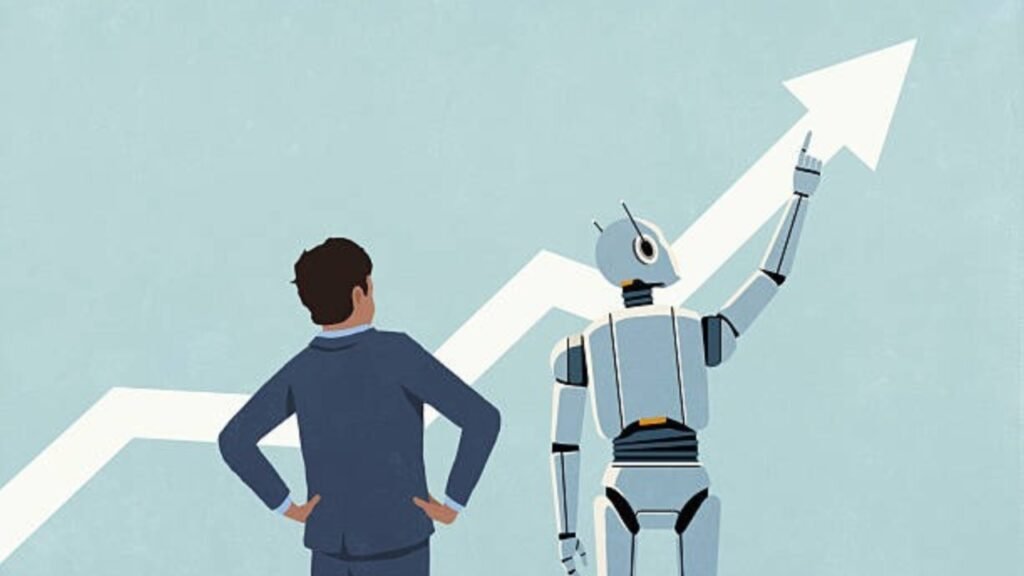
Some time back, Jeff Bezos reportedly illustrated his vision on the future of computing with a visit to a historic brewery. The museum therein housed a century-old electric generator, which was a relic from the era before localized machinery was made obsolete by the national power grids. To Bezos, personal computers are the modern equivalent of this generator—antiquated hardware that is destined to get replaced by subscription-based centralized cloud computing, much like how we plug into the electrical grid without any second thoughts.
For many years, Bezos’ vision was speculative. It was held back by performant local hardware accessibility economics. However, the current rise in DRAM prices simply presents a potential inflection point. As foundational memory within every PC will become a premium commodity, the cost barrier to entry for the capable machine will rise. It makes the idea of renting computing power from some remote data center, with one needing just a basic terminal—keyboard and a screen—shift for many users from the futuristic concept to a potential financial necessity. In short, the economic equation that kept local PCs dominant is not getting actively overwritten.
AI Engine is devouring the component supply
The root of this entire crisis is global manufacturing’s massive reallocation. As per reports, some leading DRAM manufacturers, including SK Hynix and Samsung, have sold out their production capacity for 2026. It’s also reported that these orders are overwhelmingly coming through corporations as well as national states that are building the AI data centers. Some initiatives like the Stargate project of OpenAI are now commanding future memory wafer production’s gigantic shares. They are creating an unprecedented supply squeeze for the consumer market.
It is not just about varied products using varied chips. This is instead about the finite factory capacity that we have. As fabs give priority to high-margin and high-demand AI memory like HBM, they would produce less GDDR and DDR memory that are used in gaming GPUs as well as desktop RAM. It results in a brutal supply shock.
Some popular DDR5 RAMs’ 32GB kits have seen average prices more than double in just weeks. Analysts are warning that it is not a temporary spike. It is constrained and a new reality. Consumers are thereby now effectively competing within trillion-dollar AI initiatives for some basic components.
Consumer choices tipping point
The immediate pain is in upgrading or just building a new PC. However, long-term implications could reshape how one accesses computing overall. If the cost of capable local hardware is prohibitively high, PCs with subscription-based cloud, like ones that are already offered to businesses, will soon become a viable alternative for everyday use. Companies, including Microsoft, previously explored a consumer cloud Windows version. Now, market pressures might force a renewed push further ahead.
However, a major hurdle still exists. Cloud computing in itself is not cheap for operation. As it’s been seen within premium pricing for high-quality cloud gaming.
Also, one’s always-online requirement as well as perpetual rental model, now further represent fundamental loss in autonomy as well as ownership, which many users will resist. The upcoming few years would test whether the cost alone could change local processing, a decades-old habit. As of now, one can continue to just wait and watch to what extent was Bezos’s prophecy true.

