
So Valve…. Cooked! It’s just been over a week since I picked up Deadlock, and it’s not an understatement to say that I am addicted.
It’s the highest form of pure meth, like something straight out of Breaking Bad, which makes me keep coming back for more, no matter how poorly I played or how many times I got flamed for building a full Spirit Mo and Krill.
Unlike your traditional MOBAs, the game is way more fun to pick up, it’s easier to get into, and there is more depth than complexity, which is why I was able to get a lot of my friends into it, which I was never able to do in League of Legends.
LoL and DOTA2 have a very high barrier to entry, which sucks for newer players. But Deadlock has a sort of magic that pulls in anyone who has invested atleast 3-4 games in it.
And while not being a game that has officially been released, it was able to garner a massive player base through almost no marketing. And the only way to play this game right now is if someone with access to it invites you.
So this is what I wanted to talk about today. How, as a hero-shooter, live-service MOBA, Deadlock was able to achieve what so many others couldn’t.
Deadlock is incredibly approachable
But, before we get into it, I briefly want to talk about where I come from and why Deadlock struck such a deep chord with its core design and gameplay loop.
I was a pretty big RTS buff growing up, spending a fair amount of time in Starcraft, Age of Empires, World of Warcraft, and even Rise of Nations for a particular stretch.
I picked up League of Legends in Season 2, and went from being a Twisted Treeline enjoyer, to a one-trick Shaco (no, I am not touched in the head), to an ARAM-only player by the time Season 16 came knocking.
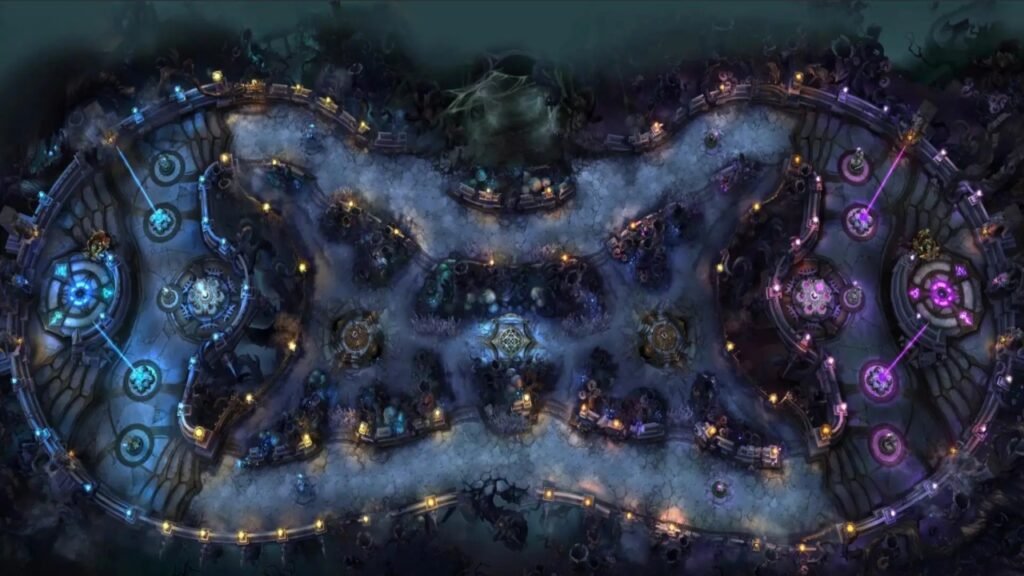
In these 14 years, neither was I able to get into a new MOB, even DOTA2 for that matter, no matter how many times I tried, nor was I able to properly introduce LoL to friends who had no prior MOBA experience.
They just played a couple of matches. Complained about the substandard tutorial, the lack of proper new player onboarding, the overwhelming item system, and then just quit. Never to pick it up again, even when Arcane and the banger music videos did such an awesome job at piquing curiosity.
Heck, even LoL players these days ask others to never pick up the game because of just how toxic the player base has become over the years.
But Deadlock… Deadlock was different. While the initial couple of matches were rough, by the time I already had 3-4 hours in it, I was hooked. The setting, the characters, the incredible movement, the sound design, and the overall gameplay loop forced me to keep queuing up for more.
The same was true for my friends as well. The same guys I was never able to get into LoL have now started to love Deadlock to the point where they cosplay as their favorite character while in-game.
One has even pledged their eternal love and loyalty to Mina, even though they can’t play her for shit.
Valve was able to create magic in a genre that was gatekept by League of Legends and DOTA 2 for over a decade. And I strongly believe that the game will blow up and have massive, unstoppable player engagement once Ice Frog’s vision for it is finally realised and its full release officially hits the Steam stores.
The Starcraft Origins
Now this is where I come back to how Deadlock is able to do something that no recent hero shooters or even MOBAs that came after LoL and DOTA 2 were able to do.
To explain this further, we will need to go back to the origins a bit and take a look at how RTS or Real-time Strategy games were slowly becoming a thing in the 90s, with Starcraft becoming the face of the genre that brought millions together from across the world.
While it wasn’t the first RTS to hit internet cafes, it, however, became the most popular because of how seemingly simple it was on the surface, while having a depth and complexity to it that was a first for its time.
The game allowed for a wide range of strategies, allowing you to fine-tune units, buildings, resource management, you name it.
Each race played out differently and had its own advantages and disadvantages based on the infantry and vehicle combinations that you had access to. For example, if you are playing Protoss, you will be more focused on building higher-tier units, while as a Zerg, your strategy will be to amass a swarm as soon as possible.
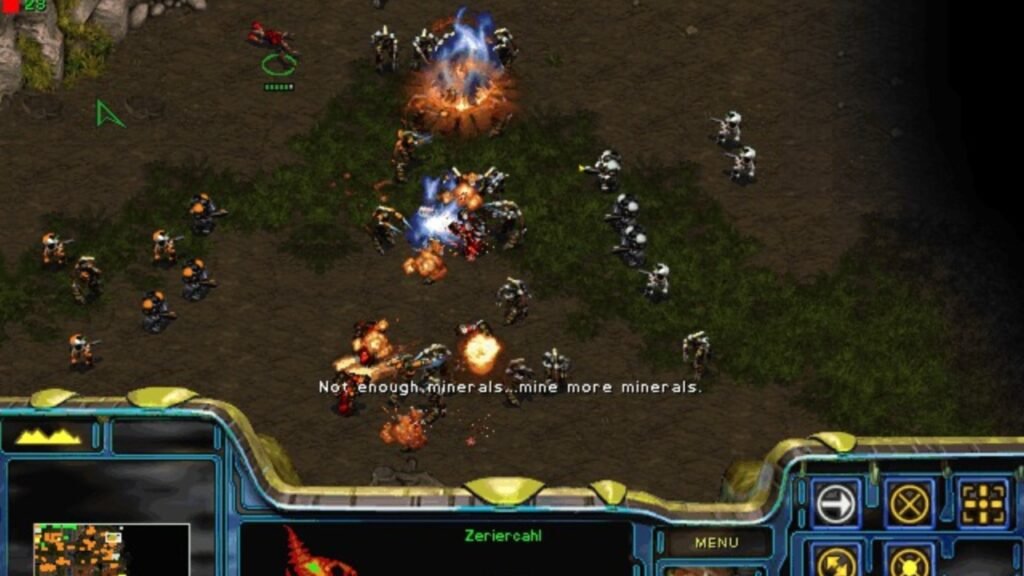
The gameplay loop was fast, with a pretty high skill ceiling when it came to the competitive side of things.
While being casual-friendly, there was an incredible amount of complexity, which forced players to make difficult decisions in a matter of seconds. This meant that those players who were efficient at multitasking and resource management would often have the edge.
These core principles then laid down the groundwork for the modern esports titles that you see today.
It’s also one of the reasons why South Korea is “the” dominant region in competitive League of Legends. As by early 2000s, Starcraft had become a phenomenon in the country, almost single-handedly boosting the internet cafe culture at the time, which in turn was one of the biggest benefactors to how Esports is regarded there today.
Apart from this, the MOBA genre is literally an offshoot of the RTS. This can be traced back to a modder in 2002 who went by the name of Gunner_4_Ever, and their mod “Aeon of Strife”. A custom map that takes the core Starcraft RTS gameplay loop and reorganizes it into something that is similar to a MOBA.
This was the first primitive example of the genre, where you had three lanes, but no buildings or towers, or any other points of interest to speak of. The goal here was to kill enemy units to gather resources, and then use those resources to buy your own units and then push them into the enemy base.
The mod was janky and really not all that fun to play. So it’s quite funny in retrospect that something like this, a small custom map, was used as the blueprint for the modern MOBAs.
The evolution of MOBA
Now that the MOBA’s foundations have been laid. It’s now time to talk about how the genre was expanded on.
This is where we come to World of Warcraft III, which buffs the complexity of StarCraft up by several notches by keeping some of the core design principles intact while introducing the concept of heroes.
These are the main units that level up with XP, can carry items, and overall have the biggest impact on a match.
The game also introduced the concept of the “jungle,” which were neutral territories or camps that players were able to take down for extra resources.
But it still didn’t exactly play out as a MOBA, did it?
This is where another modder comes in. Days after World of Warcraft III was released, a modder by the name of Eul decided to port Starcraft’s Aeon of Strife into WoW and call it “Defense of the Ancients”.
And with this new map, the very first MOBA was born.
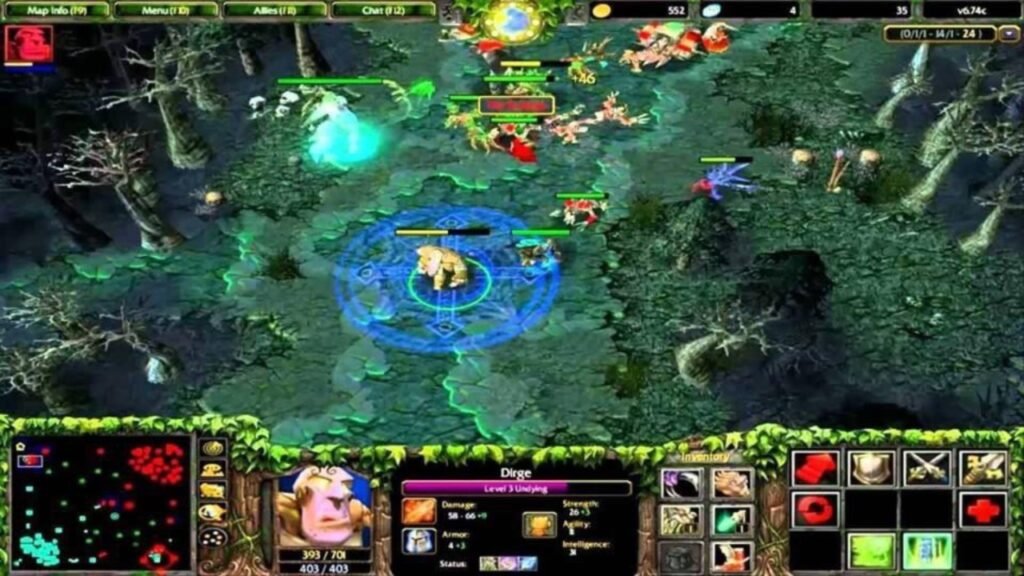
There was no base building, no unit econ to manage, just you having control over one hero along with four other players on your team.
The objective was simple: there were three lanes, and you start pushing one into the enemy tower. You take out the structure one by one till you reach the enemy’s final fortified defense and destroy it.
The lanes will have minions that endlessly spawn in waves, and you earn gold and experience by either killing them, or going into the wilderness, or “the jungle” to farm the neutral camps.
You then go back to base and buy items and upgrade abilities. You can already see how the makings of a modern MOBA are taking shape.
By taking away base building and unit econ management, the strategies are much more streamlined with greater emphasis on individual skill, teamwork, and overall gameplay tempo.
The focus is removed from constant resource management and expansion, and into one singular unit, which is the hero.
So you get a lot of freedom with what you can do in each game in terms of positioning, itemization, and resource farming.
While this seems easy on the surface, there is a fair bit of underlying complexity that is internal to the gameplay loop.
Birth of League of Legends and DOTA 2
Defense of the Ancients became so popular that it finally became its own complete mod in 2003 with DOTA: Allstars, which combined the various versions of the map.
The mod was a massive success that garnered a good deal of following from the RTS player base. However, at its peak, the developers Guinsoo and IceFrog split, with the former going on to build League of Legends in 2009 and the latter making DOTA 2 in 2013.
These two games became the titans of the genre, making it next to impossible for any other MOBAs later down the line to survive in the market.
But this is not because LoL and DOTA2 keep getting an influx of new players every year. Quite the opposite. MOBAs, to their core, have a barrier to entry that makes it next to impossible for newer players to pick them up if they don’t have prior experience in the genre.
And you will rarely see LoL and DOTA players picking up a new MOBA because of the knowledge barrier that this new game comes with.
This is where we address the genre’s lack of proper tutorials and a campaign, which makes for extremely poor player onboarding.
All the genre-defining RTS games that came before the rise of the MOBAs had a campaign mode that held the player’s hands and guided them through some of the complexities and difficult mechanics that the games had to offer.
In Starcraft, for example, the first missions are simple, where you just need to build a base or gather resources. The campaign takes the learning curve up block by block, reinforcing previously learnt systems till you have a very firm grasp of its core mechanics.
League of Legends and DOTA 2 do not do that. They were initially a mod of Warcraft 3, and were treated as an offshoot to attract Warcraft players who were already familiar with some of these fundamentals.
So, at their very core, none of the games do a good job at onboarding newer players. While tutorials and bot matches were introduced down the line, these systems were and remained pretty bare bones. And today, to even make any significant progress in the game, players have to rely on guides, YouTube tutorials, meta sites, and, rarely, learn anything through trial and error.
Warcraft 3 came out 23 years ago. Now imagine the knowledge gap that a new player will have today who has neither played WoW nor RTS titles, or have prior experience in any other MOBA.
But that being said. In the initial seasons, League of Legends was sort of easy to pick up, even though the “Ashe tutorial” at the time was a joke at best.
The reason why I am saying this is because of two reasons,
A) Twisted Treeline
B) Role and item flexibility
Twisted Treeline was a fast-paced 3v3 mode that made it significantly easier for newer players to learn the ropes. It was one of the biggest reasons why I stuck with the game for so long to begin with, before finally transitioning to Summoner’s Rift.
There was no pressure to perform on the map; just pick any champion you like and do your best. This is where I properly learnt CS-ing, the concept of jungling, champion builds, interaction, and other core mechanics.
But newer players will not have the luxury of this 3v3 mode today, as Riot decided to sunset Twisted Treeline a couple of seasons ago.
For my second point, on Role and Flexibility, the argument I would like to make is that LoL was extremely unbalanced in the early seasons.
But that is exactly what made it so fun, and why player toxicity was also not that big of a thing at the time.
There were barely any set roles for champions, which allowed for picks like Alister to be flexed in Top or Mid, and not just in Support.
Building diversity was also a big thing, and there were so many ways you could build particular champions. For example, Sion, before his rework, could go AP, AD, and Tank, with AP Sion being able to literally get pentakills while brute forcing his way into your fountain.
AP Yi was incredibly fun to play in the mid lane, and so was AP Tristana.
But over the seasons, Riot decided that for the longevity of the game and the professional scene, they would need to double down on a certain meta system that keeps evolving over time. As metas streamline build paths and playstyles to a certain extent, it kills the need for experimentation and, in turn, further leads to a bigger knowledge gap for newer players who have just picked up the game.
There is no trial and error anymore. There is a lot of pressure to perform in a certain way during each game, and I feel this is one of the biggest reasons behind much of the player toxicity that we see in LoL today.
In the daily Ranked grind, almost no one wants to experiment anymore, which makes it nearly impossible for newer players to pick up the game.
Let’s say you went through the current tutorial with Miss Fortune. You started getting more familiar with her and want to play her in an actual match. You grind through all the bot lobbies till you unlock matchmaking, and you pick Miss Fortune after purchasing her, because she is not one of the champions given out for free after completing the tutorial.
But wait, you picked her in the mid lane, and lo and behold, you are getting flamed for it.
And you don’t know why till someone is kind enough to tell you that she is played in the bot lane as a carry, but this piece of advice will come after the same person writes an entire paragraph of racial slurs directed at you.
But great, alright, now you know she is played at bot with a support.
Next time you pick her bot, but you are missing CS. And your Support goes on an infernal rant about how your forefathers should have murdered you in your crib.
So your support leaves lane, wanders the map, completely abandoning you 2v1.
Now you are starting to get the hang of last-hitting minions and landing abilities. You finally have the money to buy your first item. But, instead of getting the ones recommended by the shop, you got yourself a Hextech Gunblade, because you thought it looked cool and could complement Miss Fortune, because it gives both AD and AP and MF scales with both.
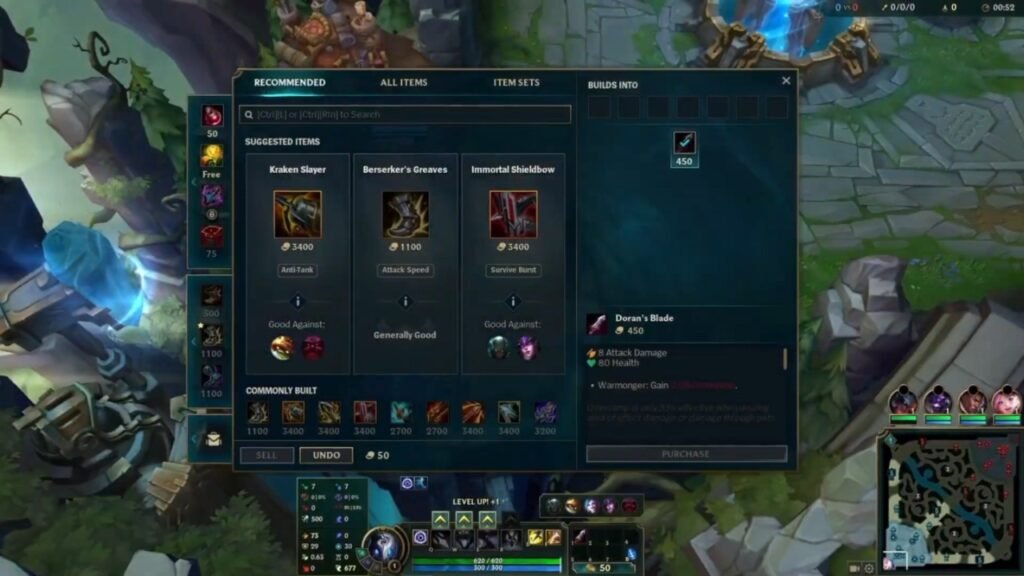
This time, you are going to get flamed by the entire lobby, and many will choose to report you post game for so-called “intentional inting”.
You survive multiple matches like this, hoping that things get easier, but it doesn’t. League remains as overwhelming as the first time you booted it up, and without guides and YouTube videos, you are never told what you are doing wrong.
Much of the fun of picking up a new game gets zapped out, and this is what leads many to quit. This was the biggest reason why my friends quit. And I could never get them to install League again.
LoL forces you to chase builds, get item breakpoints at particular time frames, set up for objectives, and have immaculate macro in and out of the lane. This gets very taxing very fast.
So even as someone who has been playing the game for so long, I quit Summoner’s Rift for ARAM. But here too is a problem for newer players, because to enjoy Howling Abyss, you will need to invest a significant time in the game to learn a lot of the champions, itemization, counter-building, item breakpoints, champion synergies, and so much more.
And there are over 170 champions in the game right now. Let that sink in!
So not only are new players forced to keep up with the meta-challenge every single patch, but they are also having to master hero mechanics while having to work alongside players they have never met before.
This level of complexity that keeps bloating every season is what keeps League and DOTA2 the sole titans of the genre.
The core complexity of a new MOBA is off-putting for both LoL and Dota players, because they are already quite integrated into an overly complicated system, and they will usually wince at the thought of picking up something similar.
And new players, on the other hand, will also see the same barrier to entry and will opt out because it’s just too much to pick up in one go.
On top of that, the genre has next to no meaningful changes over the years. Take Smite, Smite 2, Paragon, and even Gigantic, for example. All of these games feel the same, just reusing the same gameplay facets that were there in MOBA Allstars.
Furthermore, for a lot of video game genres, the mechanical skill you pick up in one game is fairly transferable to another. If you have been investing hours in Counter-Strike, you are naturally going to be much better than an FPS newbie in a game like Valorant, Call of Duty, Battlefield, or even Apex Legends.
This is not the case in a MOBA. The core complexity and knowledge barrier in itself creates this wall that does not allow mechanical skills and muscle memory to transfer over from one game to the next.
Hence, it’s another reason why LoL and DOTA players don’t migrate to a new MOBA. And why don’t new entries into this genre survive long, even though they are pretty good titles with fleshed-out gameplay loops.
But this is where Valve’s magic comes in, as Deadlock finds the perfect middle ground between them and caters to both old and new audiences, by having one of the best new player onboarding experiences that a MOBA can ask for.
So what is Deadlock?
It’s Valve’s latest 6v6, hero-shooter, MOBA that is still in its Alpha, and the only way to play the game will be to get an invite from a friend who already has access to it.
The game sees massive player engagement every day, even without any marketing.
Heck, the only reason that we are even able to play it now is that back in 2024, it was leaked by a PlayTester during a closed play test when Deadlock was in an even more unfinished state.
Funnily enough, it’s said that the person who originally leaked the game did so because they did not like it and wanted to leak it to their friends so they could make fun of it.
But as fate would have it, people saw the footage and were so interested in the little snippets of gameplay that Valve decided to turn the playtest into an open alpha.
And Deadlock has only garnered more popularity ever since.
The reason why I am talking about this is that over the last couple of years, there have been a lot of live service failures. With games like Higuard, Concord, and more barely lasting weeks before shutting their servers.
And these games even had the privilege of being hyped up and announced on some of gaming’s biggest stages, including The Game Awards and The Summer Games Fest.
So, atleast to me, it’s honestly nothing short of magic that an Open Alpha game, which is far from being complete, is doing infinitely better in player count through zero marketing, and just through word of mouth and watching others play on YouTube and Twitch.
Deadlock has a solid first impression on newer players. And this is not where the players talk about the various game loop mechanics and all the movement systems like mantle slides, wall jumps, strafing, and bunny hops. Those come much later, as newer players are not going to be aware of these more advanced gameplay systems right away.
What they will talk about instead is what they immediately see on the surface, so things like the setting, the music, the character design, the core art style, the lore, and the unique character voicelines and interactions.
As soon as you log into Deadlock, the first thing you will notice is the setting, which immediately helps establish a vibe for the game.
Now contrast this with League of Legends. When you log in through the Riot launcher, you are hit with a Client screen, not a home screen, but a client screen with an overwhelming amount of information on battle passes, runes, new skin line-ups, champions, TFT sets, and just so much more.
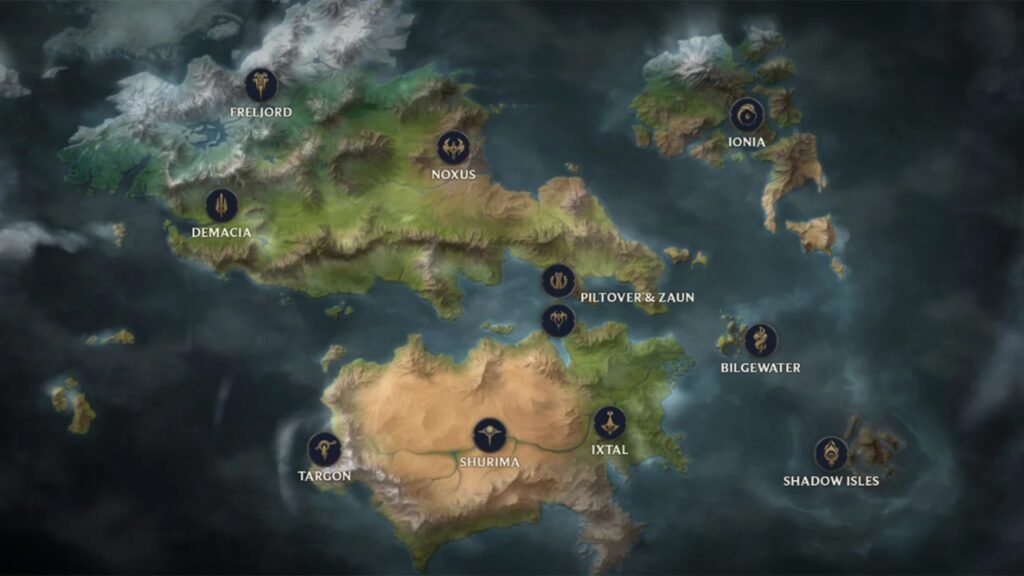
A new player gets 0 idea about the setting of the game when they log in, and they literally have to look up lore videos to know that they play as Summoners who call upon champions of Runeterra to fight on their behalf. Now their next question is, what is Runeterra, who are these champions, and why are they fighting at all?
While over the years Riot has fleshed out a lot of the character bios, there is still a lot to be desired when it comes to properly integrating players into the lore. Content creators like Necrit do a phenomenal job in helping the community understand the incredibly complicated world of Runeterra, but that takes away the fun of discovery, where the players are left to their own devices to figure out what is going on through map clues, voicelines, and other forms of in-game interactions.
Now let’s take a look at the home pages of modern hero shooters like Overwatch and Marvel Rivals. It’s bare bones and filled with a lot of unnecessary stuff that wants to bait you into buying their battle pass or their latest overpriced gooner bait Invisible Woman skin.
Look at Call of Duty and Battlefield. The latest entries have some of the worst homepage UI in franchise history, which gets even more ridiculous with every patch and skin bundle that they release.
Deadlock does a phenomenal job with its homepage, which doesn’t exactly act as the more traditional homepage that one is used to.
You log in, and right away, you appear as one of the heroes that you have chosen.
You look around, and you see the 1940’s noir New York setting, and you immediately understand the game’s overall aesthetic and the design philosophy that Valve is going for. The background music further adds to that extra bit of juice, and you are immediately hooked to how unique the game already feels.
Deadlock has a very interesting setting, which I absolutely love. It features a fantastical world filled with magic, but grounds it by coupling it with a noir New York City.
While you might feel that the clash between these two styles will be jarring, that is absolutely not the case. The setting feels really cohesive, and you can see the amount of work that Valve has put into building this world from the ground up.
Just take the time and walk around the map before your next queue. And you will actually feel like you are walking through this fantasy version of an older New York, which feels alien and yet so familiar at the same time.
If you look at the buildings, you will find billboards advertising magical services that have become normalized in this version of the city.
You will see ghost pigeons, graffiti, monsters in small rooms and alleyways that you can farm, and large patrons on either side of the map barking commands at you.
And this unique blend is what I find to be so refreshing in a modern game. Over the last couple of years, live service titles and even some AAA single-player games have relied heavily on the sci-fi aesthetic.
Concord, Helldivers 2, Marathon, Higuard…. Well, not Higuard, I don’t have a friggin clue what crappy setting and aesthetic that clown fest was going for.
But all these modern live service and AAA games went for Sci-fi over anything else, and for me, the genre was honestly getting pretty stale. It was being overdone to death, and was one of the reasons why games like Concord fell flat on their face.
With Deadlock going for a 1940’s New York, it honestly feels like a breath of fresh air.
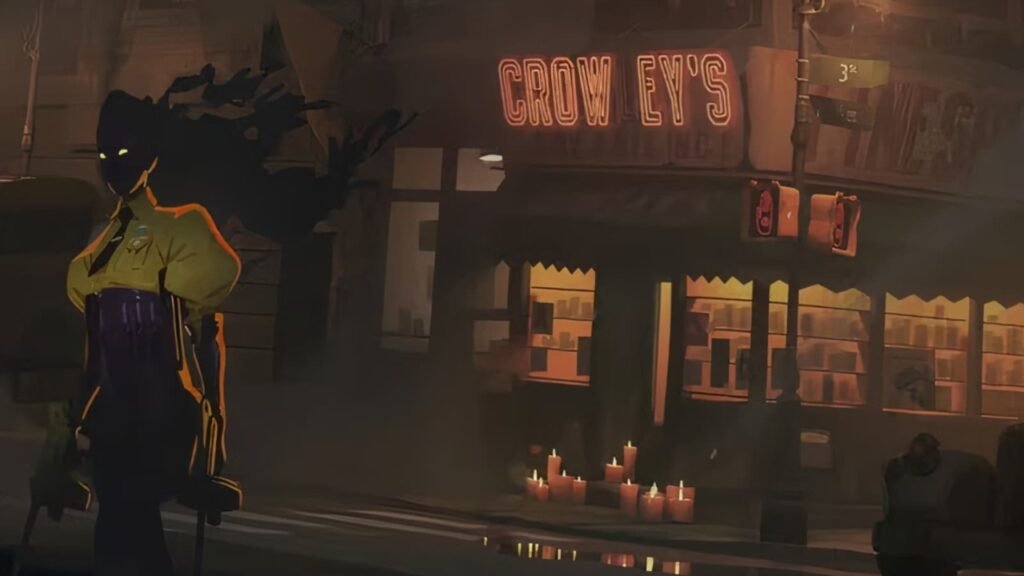
The world of the game exists in an alternate reality where the supernatural and the occult, including demons, witches, vampires, and more, have always existed.
But for the general populace, these supernatural beings existed more as a fairy tale than anything else. But public conception towards magic changed during the first Maelstrom that took place 50 years before the events of the game.
Now, there isn’t much information on what a Maelstrom is, but from what the game lets you piece together, it is a celestial event that lasts from 20 minutes to 2 hours and is seen as a storm-like event in the sky that eclipses everything.
The supernatural phenomenon on earth surges dramatically during this time and lead to the formation of Astral Gates, which are rifts in time and space.
After this, elements of the supernatural slowly got incorporated into day-to-day life.
Computers are now powered by occult magic, and shops use souls as currency, as you can see during your games.
The events of Deadlock take place during the second Maelstrom, which presumably takes place in 1949 after certain celestial conditions were met. However, what makes this second one unique, though, is that humanity was able to make contact with certain extra-planetary beings known as Patrons.
While there are many Patrons according to the developers, only two are trying to manifest themselves on earth during the second Maelstrom. They are the Hidden King and the Arch Mother.
They are considered Elder Gods, and there isn’t much info on the full extent of their power and potential. However, we know that a lot of Lovecraftian Literature went into inspiring the Patrons as we know them.
Both the Patrons are trying to use the second Maelstrom to emerge into the Spotlight. Now they are doing this through summoned heroes who fight on their behalf. These heroes are the characters that you pick before a match.
As they are Patron gods, they have the power to grant one wish to a hero who slays the other patron during a ritual. These wishes are what you call character motivations in Deadlock, and it explains the “why” part of the game.
Why are these Deadlock characters even fighting each other?
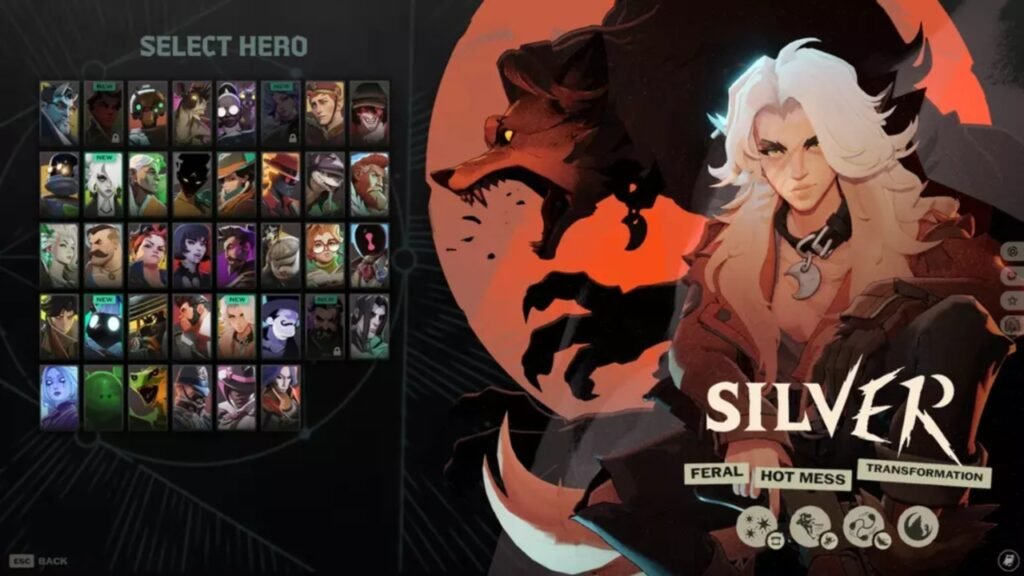
So this is a good time to get into the extremely unique roster of characters, which is the next thing a new player will notice after the setting.
What makes Deadlock heroes so very appealing right from the get-go is their variety, as well as the character motivations that each of them comes with.
Abrams, for example, is a member of the Ixian race, who resemble the demons you find in literature. He is a no-nonsense detective and can often take the violent route to get to the bottom of things. As for his motivation, he is working with the Patrons in the ritual in an attempt to destroy them. Although he is skeptical that this will actually work.
Lady Geist, on the other hand, is a classic tale of making a deal with the devil for eternal youth and beauty. By the time the first Maelstrom came along, she was already an old woman who looked at her age as an affliction. She sought the solution to her problem in Oathkeeper, an evil spirit who dealt in Faustian bargains.
The spirit demanded blood in return for keeping her young, forcing her to kill others. While Geist agreed to it at first, her son was able to make a ward to contain Oathkeeper, keeping him from getting more powerful. But once her son died, the ward started growing weak, allowing Oathkeeper to get stronger and more bloodthirsty. The spirit went so far as to threaten Geist and told her that he would kill her if he ever got free. So Geist is participating in the Ritual to prevent just that.
Now these are just a couple of examples of character bios and motivations. The rest of the roster have similar backstories, and from this, you can understand just how diverse the cast actually is in Deadlock.
But the even more amazing part about Valve’s design philosophy is how these bios and motivations were able to translate into the character’s core design, kit, and gameplay loop.
Much of Lady Geist’s playstyle revolves around siphoning away her enemy’s health. Abrams likes to smack people in the face with his Tome. Assassin Calico has burst abilities that 100-0 targets while having tools in her kit to be extremely slippery. Angry Billy likes to beat people’s skulls in with his barbed bat.
It is this same design philosophy that brings a sort of cohesion to these characters, making them extremely memorable. So while you might not like the entire roster, you are bound to find one character that you will absolutely fall in love with.
Now this is where some of the modern live service titles fail. They are unable to make the player connect with the roster of characters that they provide.
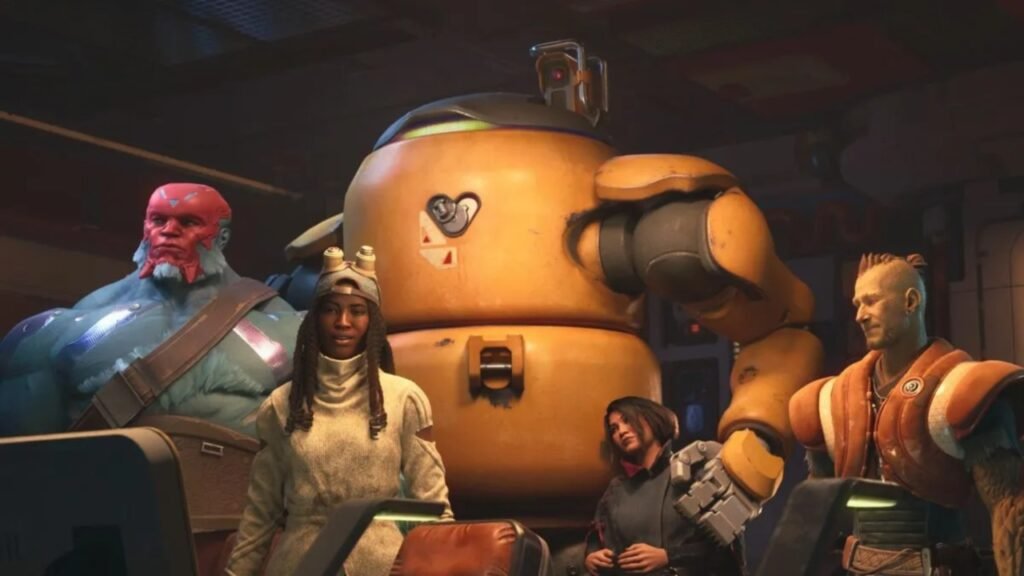
Concord, for example, had a wide, diverse cast, which, while many found to be problematic, I honestly don’t feel that to be the case. Higuard, on the other hand, did the exact opposite and had a smaller cast of heroes who looked more or less the same.
So the problem for me is not about diversity or the lack of it; it’s about these characters not being cohesive, it’s about them not having a design that clearly reflects the role that they play in the game.
Highguard’s main character, Atticus, straight up looks like a Paladin who should focus on Light Magic that heals and supports his team. But that was not the case, as he used different lightning-based attacks.
Kai, on the other hand, looked like someone who could wield lightning, but instead, his kit revolved around creating Ice Walls and turning into an Ice Giant.
In these failed live service games, the character designs do not complement the kit or the playstyle of these heroes. This made the games feel so bland, even if they had solid 10 out of 10 gunplay.
And this is what Valve gets so very right with their design philosophy. They matched character backstory and motivations with their design and kit, allowing players all the reasons to not just connect with them but also learn some of the core fundamentals of Deadlock while discovering new dialogue and gameplay interactions of their favorite characters.
So I honestly wasn’t exaggerating when I said that one of my friends has taken to becoming a life-long Mina simp for better or for worse.
Deadlock’s addictive gameplay loop
The final point I would like to touch on today is gameplay approachability.
Now that new players have had a chance to explore the setting and the unique roster of characters, the next thing that hooks them is the core gameplay loop.
Deadlock perfectly balances complexity and depth, making it THE most approachable MOBA in the market right now.
But don’t get me wrong and think that the game is simple. It isn’t. It REALLY ISN’T.
It combines all the complexities and mechanics of a MOBA with the gameplay of a Hero Shooter while adding an entire melee and parry system on top of it, along with insane movement mechanics that let you platform from one end of the map to another.
While on paper, the game should feel impossible to get into for a new player because LoL and DOTA suddenly seem way more straightforward. But that really isn’t the case. My friends found Deadlock much more approachable than League, and it honestly took them just 10 hours to learn most of the core gameplay fundamentals.
Even with all the complex systems, Deadlock was much more fun to learn. And it’s not like any of us are good at the game. I still suck at laning, and platforming my way from one lane to the next by investing just one Stamina bar still feels like a wet dream. And even with the repeated losses and abysmal KDA, I am still managing to have a lot of fun in every queue.
The Zipline system, the mid-map shops, the unique jungling where you break boxes and kill neutral camps, the mid boss underground, all help in making this cohesive gameplay loop that keeps me hooked for hours.
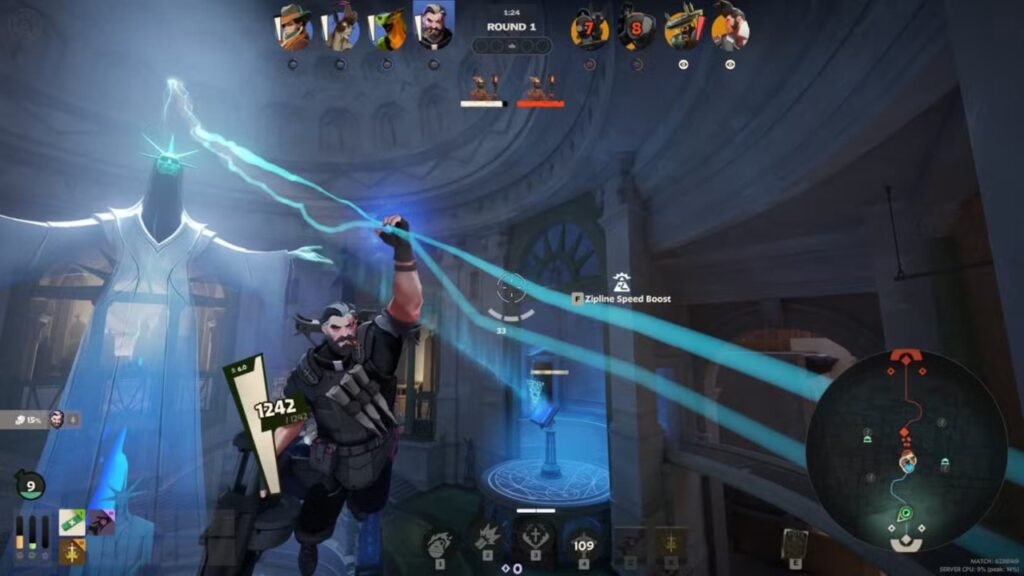
It’s the new high-grade crack on the street that I can’t get enough of, and the game hasn’t even reached its final form yet.
But probably the biggest factor behind Deadlock’s approachability is its item system. It’s one of the identifying mechanics of a MOBA that sets it apart from other live-service genres like Hero Shooters.
However, Itemzation has a reputation for being overly complicated and obtuse, which makes the learning curve even more overwhelming for newer players.
But Deadlock solves this by introducing a shopping system in a much more linear and understandable way. Segregating them is not just different categories but also tiers.
Moreover, any character can buy any item in the game, so there isn’t just one way of progressing through your power spikes during a match.
You can adapt on the fly and pick up items based on the situation that you are in.
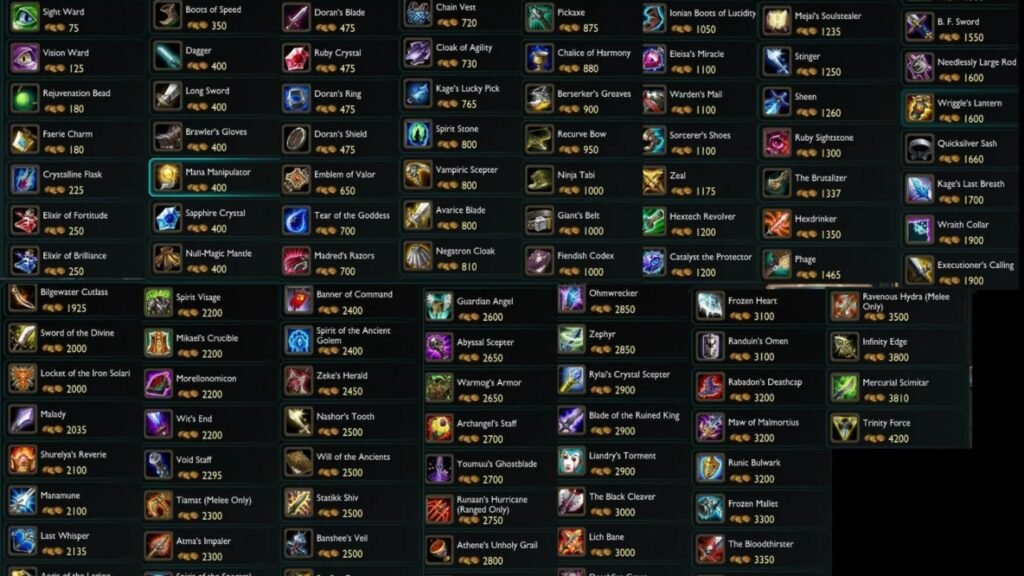
League of Legends, in comparison, has dozens and hundreds of items that feel extremely intimidating at first glance. And what makes it worse is that similar-looking items usually do not offer similar stat bonuses to your champions.
The item icons often do not match the item description and the buffs that they provide.
For example, take these items: the Recurve Bow, Terminus, Mortal Reminder, Runaan’s Hurricane, Lord Dominik’s Regards, and Yun Tal Wildarrows. They all have something akin to a bow and arrow as their icon.
At first glance, a new player will think that perhaps this has something to do with increasing their attack range or attack speed. But only Recurve Bow, Runaan’s, Terminus, and YunTaal give attack speed. The other two are more about damage, armor penetration, and crit chance.
So, as a new player, if you are looking to learn the game, you will have to go through each of these 100 items and read their descriptions before you can decide if it will actually fit the champion that you are playing.
And to make matters even worse, there are over 10 different shoes in the game, each providing a different core stat apart from mobility.
This shop design philosophy is so overly complicated and bloated to its core that it makes it a herculean task to properly learn itemization in the game.
To make things worse, the system gets worse every season, and the only players who are able to employ the correct practices are the ones who have been playing the game for years. While the recommended items feature tries to solve some of these issues, it still doesn’t feel enough to shorten the knowledge gap.
It’s impossible for newer players to quickly pick up any mechanic without having to heavily rely on online guides and friends who already play the game.
This is why I feel that the shop system in Deadlock is another stroke of genius by Valve. You are buying Occult items with Souls. These are Industrial goods that are imbued with magic, and each item looks distinct, fulfilling a particular function in the game. The icons synergize with their descriptions, and at first glance, you will get a decent idea of what their intended purpose is.
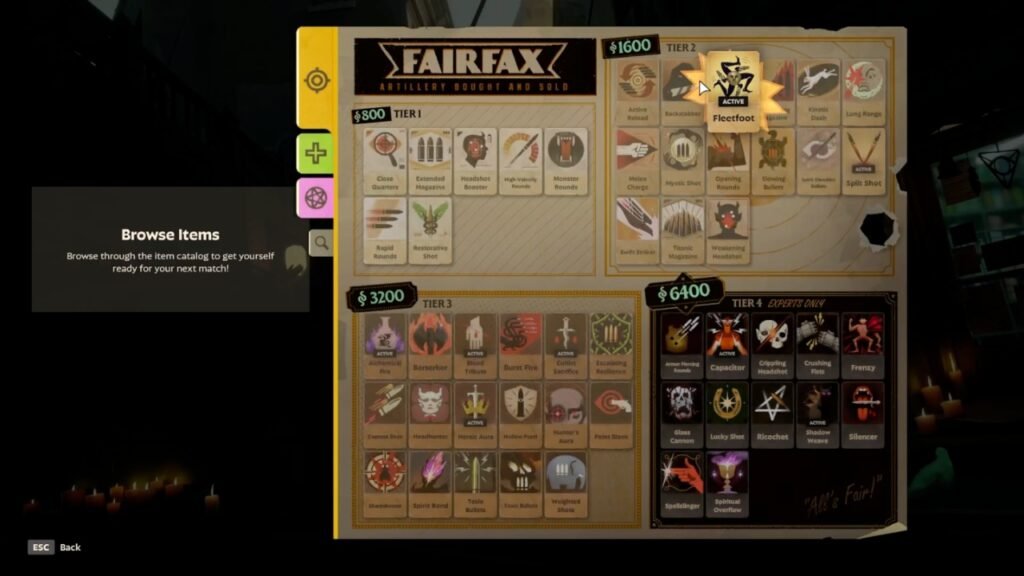
Take these three items, for example, Spirit Resilience, Life Strike, and Fortitude. You will see that the item descriptions match the name and the icon so well.
Spirit Resilience, as the name and the icon suggest, gives your character a percentage of spirit resist so that you can tank more enemy abilities. Life Strike, lets you heal off a percentage of damage that your melee strikes do, and it even slows the enemies that it hits.
Finally, Fortitude is all about increasing your max health while also buffing health regeneration over time.
So, as you can see, the design principle for both characters and items is so simple in Deadlock. And the magic lies in how they are woven into one cohesive string that provides a very unique but firm sense of progression that feels more rewarding the more games you put into it.
Deadlock is truly something special, and it often feels like a love letter to gamers who recently had to sit through so much triple-A slop that was thrown at their way.
It has all the magic that Valve games are known for, like a completely reimagined gameplay system, an exceptionally cool setting, the most memorable and quirky cast of characters, and an onboarding experience that does not overwhelm a new player from the very first minute.
Additionally, Deadlock even has a game mode called Street Brawl, which is the game’s very own version of ARAM. It has one lane, one tower, and a roguelike system when it comes to picking items. It’s very simple, fun, and one of the best ways of learning a new character and how the laning phase plays out.
It also helps new players get more familiar with items, as you mix and match different ones to see how well they complement your character and playstyle.
League of Legends and DOTA 2 have been dominating the MOBA space for far too long now, and I honestly feel Deadlock will completely change that on full release. It has already taken the mechanics of a MOBA and was able to re-organize it into something that anyone can pick up.
It has balanced depth and complexity to a point that neither is compromised, and it offers an onboarding experience where players are given the time to learn the game and are not thrown out of an aircraft without a parachute.
Deadlock lets you learn and experience what Valve has so beautifully crafted at your own pace. There is no rush, no pressure to perform, it’s just pure, unadulterated fun.

