
For generations, football revolved around the magic of the “number 10.” He was the artist, the orchestrator, or a player who occupied the pocket of space behind the striker and pulled the strings.
From Diego Maradona to Zinedine Zidane, Francesco Totti to Mesut Özil, Kaká to Wesley Sneijder, the game celebrated Attacking Midfielders, who could create something out of nothing. Alongside him often stood the secondary striker, operating off the main forward, linking play and feeding on flicks, rebounds and half-chances.
But today, both these archetypes are increasingly rare in elite football. Tactical evolution, athletic demands, and data-driven analysis have all conspired to make their traditional functions less viable in a game that prizes compactness, `pressing, and versatility over pure artistry.
The changing landscape of modern football — Transformed No. 10 and the Secondary Striker dilemma
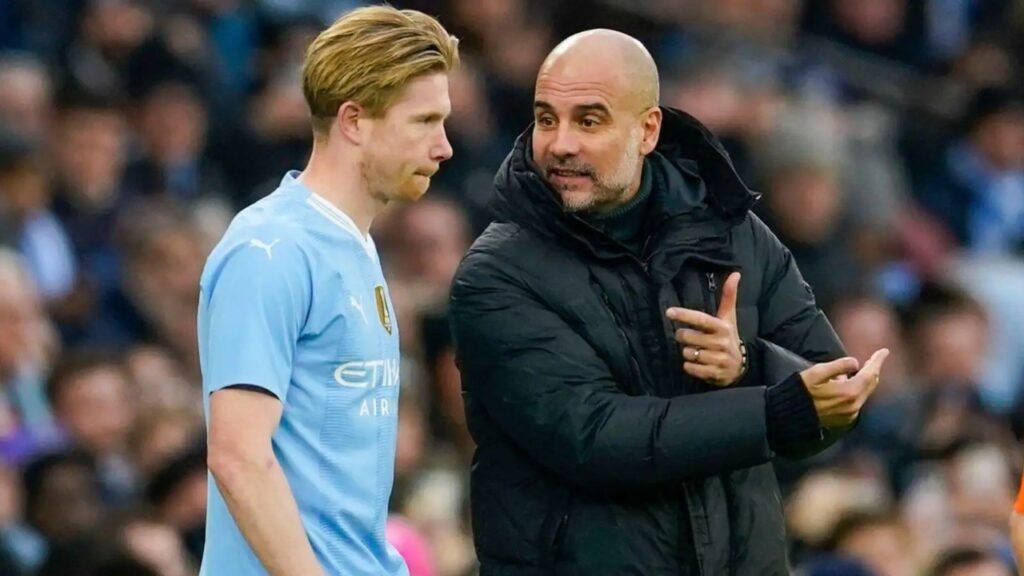
Over the past two decades, football’s structural DNA has shifted dramatically. The once-dominant 4-4-2 and 4-2-3-1 formations, where the number 10 flourished, have given way to flexible systems such as the 4-3-3, 3-4-3, or fluid 4-1-4-1.
Modern coaches want control in both transition and defense, and that requires collective discipline. As defensive lines became tighter and midfielders more compact, the pocket between midfield and attack, where the number 10 traditionally danced around, began to shrink.
In the past, the playmaker was allowed freedom, even indulgence. He didn’t have to press or track back; his job was to wait for the ball, find space, and create. In the high-pressing age of Pep Guardiola, Jürgen Klopp, and Mikel Arteta, such isolation is a tactical liability.
Modern football values those who contribute in every phase like the players who can win the ball high, transition quickly, and still possess creative flair. The art of the game remains, but it must now coexist with science.
Old school Attacking Midfielders have now got a tactical tweak
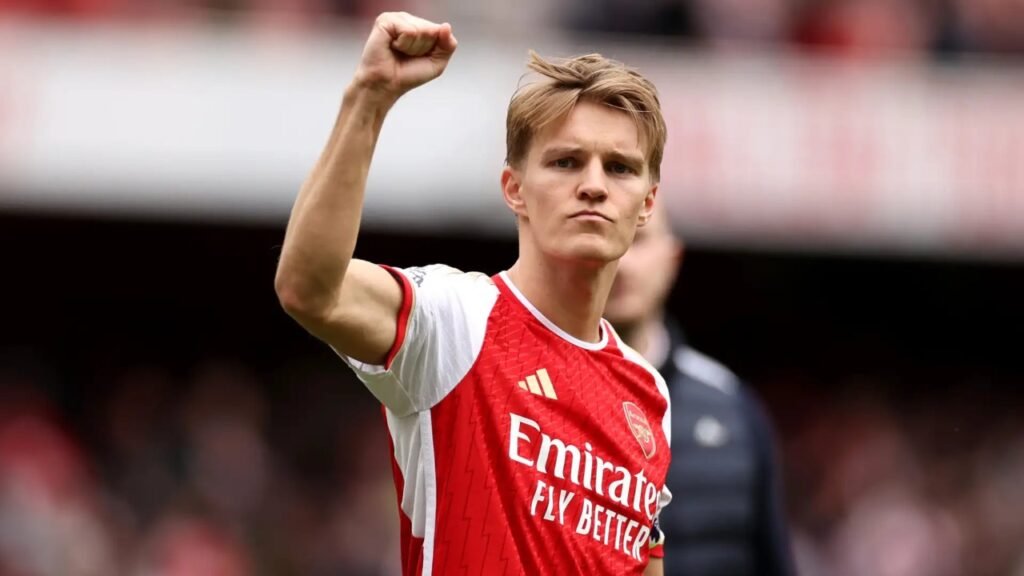
The decline of the traditional playmaker isn’t due to a lack of talent but a lack of tactical fit. In an era where pressing intensity and positional discipline define success, a player who offers little defensively or slows transitions becomes a risk.
Coaches today quantify pressing through metrics like Passes Per Defensive Action (PPDA) and pressures per 90, using data to assess how well attackers contribute off the ball. A classic No. 10, with limited defensive output, often ranks poorly by these measures.
Equally, the physical intensity of modern football has changed. Teams now record far more high-intensity sprints and defensive actions per game than they did a decade ago. Every player, even forwards, must close down, press, and recover.
In this context, a creative genius who roams freely but doesn’t engage defensively weakens the collective structure. Managers increasingly seek midfielders who combine invention with industry — Kevin De Bruyne and Martin Ødegaard embody this hybrid, pressing relentlessly while still orchestrating attacks.
Moreover, modern tactical systems spread creativity across the pitch. Inverted full-backs, playmaking deep midfielders, and wide forwards cutting inside have all diluted the need for a solitary “conductor” in the middle. The number 10’s influence hasn’t disappeared; it has been redistributed.
What went wrong with the Secondary Strikers?
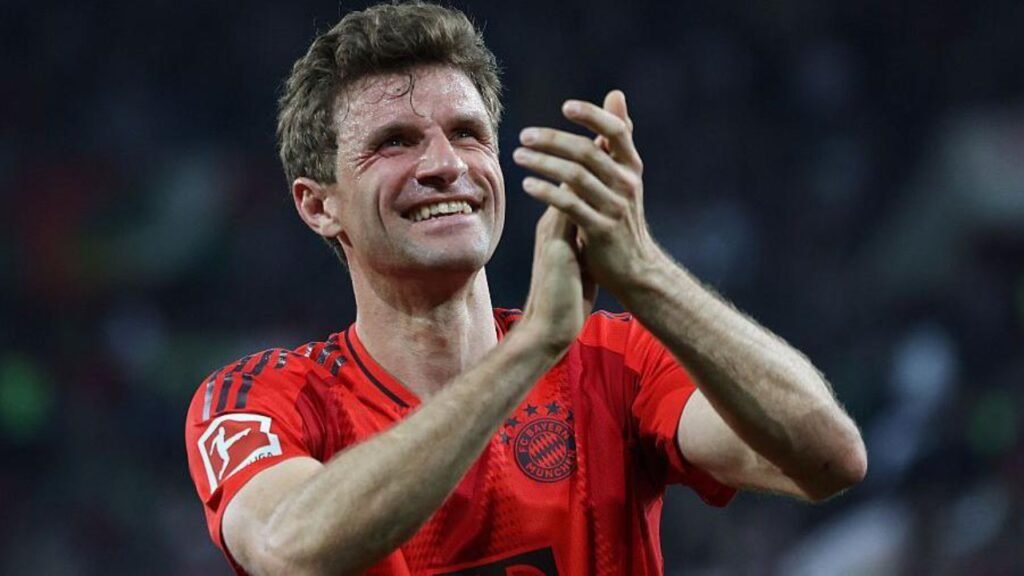
If the number 10 has been squeezed by the modern game, the secondary striker has been nearly erased. In the golden age of 4-4-2s and twin-forward systems, the secondary strikers like Thomas Müller, Alessandro Del Piero or Wayne Rooney, thrived in the space around the lead striker.
But with teams now favoring single-striker formations, that supporting role has been redefined or eliminated.
The modern forward must be self-sufficient. He must stretch defenses, link play, press aggressively, and often drift wide to accommodate overlapping full-backs or inverted wingers. In this context, the “shadow striker” who only exists to link play and poach second balls struggles to fit.
When pressing from the front became essential, the idea of carrying an extra striker who didn’t contribute defensively faded fast. Even when used, the secondary striker now operates as part of a fluid front three, rotating constantly rather than sticking to one zone.
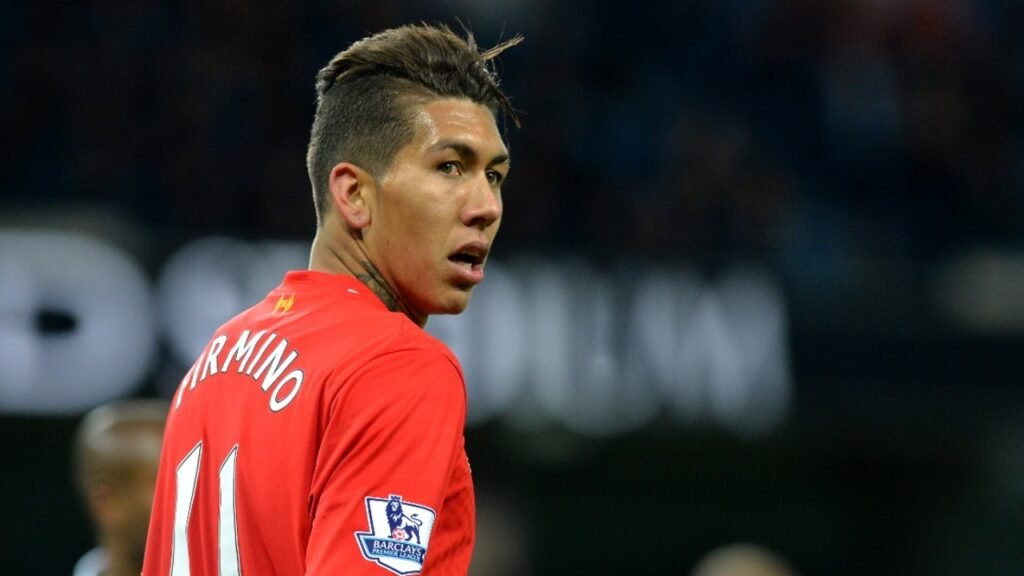
The evolution of players like Roberto Firmino at Liverpool epitomizes this change. Nominally a forward, Firmino dropped deep to link play, harried defenders relentlessly, and triggered Klopp’s counter-press — essentially combining the functions of a number 10, striker, and defensive midfielder in one.
The modern equivalent of a second striker is not someone who roams; it’s someone who presses, connects, and rotates.
Players who evolved, and the ones who left behind
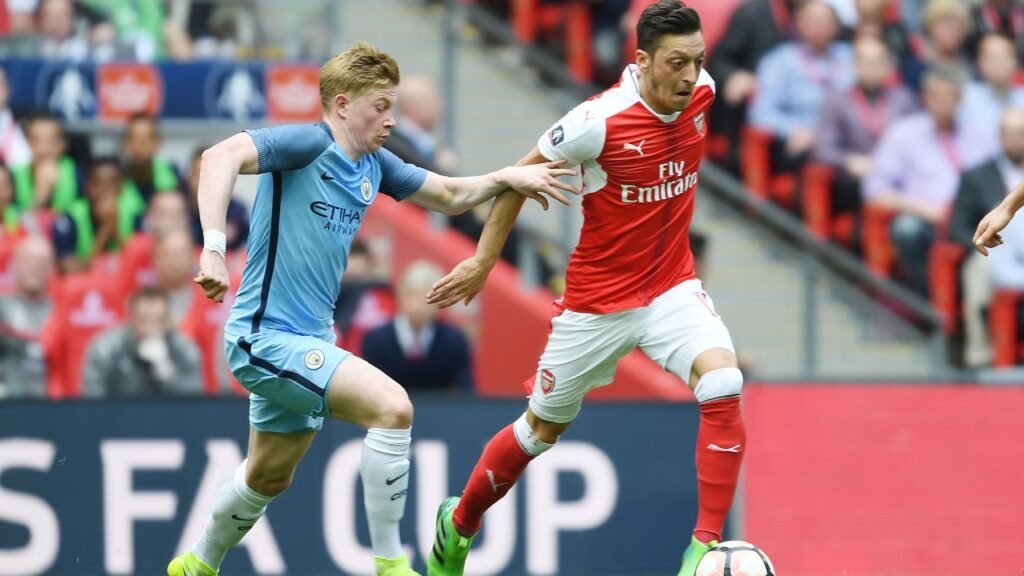
Mesut Özil is perhaps the clearest casualty of football’s tactical evolution. At Real Madrid and early in his Arsenal career, he embodied the classic playmaker. His natural game was drifting into pockets, creating chances at will.
But as pressing and defensive responsibilities intensified in the Premier League, Özil’s lack of work rate became impossible to hide. He wasn’t less talented; the game simply changed around him.
Similarly, James Rodríguez dazzled at the 2014 World Cup, yet later struggled to adapt to modern systems that required consistent defensive effort and positional fluidity.
On the other hand, Kevin De Bruyne represents the rebirth of the number 10 in a modern shell. He covers ground tirelessly, presses high, and adapts his positioning depending on Manchester City’s shape.
He is not a free-floating artist but a structured creator. Bernardo Silva, Mason Mount, and even Bruno Fernandes embody similar evolution. They were creative yet combative, gifted yet grounded.
In the context of secondary strikers, the same evolution applies. Julian Álvarez at Manchester City or Paulo Dybala at Roma blend traditional link-up instincts with the modern requirements of pressing and positional awareness.
Their roles are far more fluid, reflecting football’s broader shift from fixed functions to adaptive systems.
Modern football’s tactical reality — Evolution, not extinction
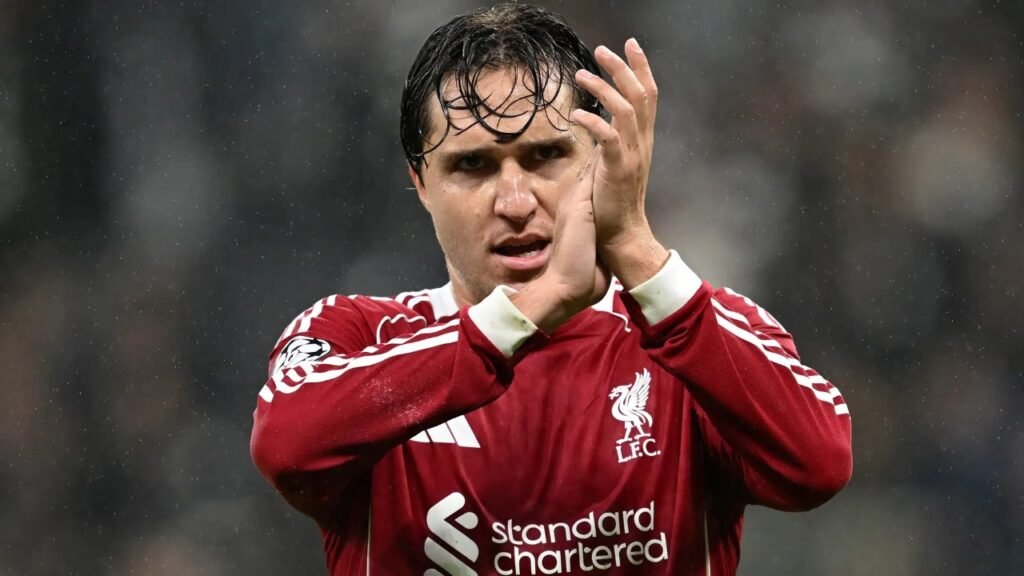
Modern football no longer builds around one genius. Instead, it builds around collective intelligence and systems that emphasize adaptability and interconnection.
Creativity is not monopolized by a single player, it is shared among wingers, full-backs, and deep-lying midfielders. Clubs increasingly use data to identify players who contribute both offensively and defensively, minimizing the tactical risk of relying on a single maestro.
This doesn’t mean that artistry is gone. Rather, it must coexist with efficiency. The contemporary number 10 is leaner, faster, and more tactically aware. The secondary striker has morphed into a pressing forward or inverted winger, like Kai Havertz and Federico Chiesa.
The game has grown faster, spaces have shrunk, and the margin for luxury has disappeared. Yet, as long as football values creativity, vision, and expression, the legacy of the number 10 and secondary striker endure in transformed states of art.

