
A panic has been spreading all through the tech world. What once seemed to be a routine and affordable component for personal computers is now at the financial storm’s center, with prices climbing so high that they are now beginning to eclipse the cost of entire gaming consoles and more. So, for anyone planning to either build or simply upgrade their computer, the message from the market is alarming and clear—it is going to be financially troubling moving ahead.
Online community reacts to rising RAM prices
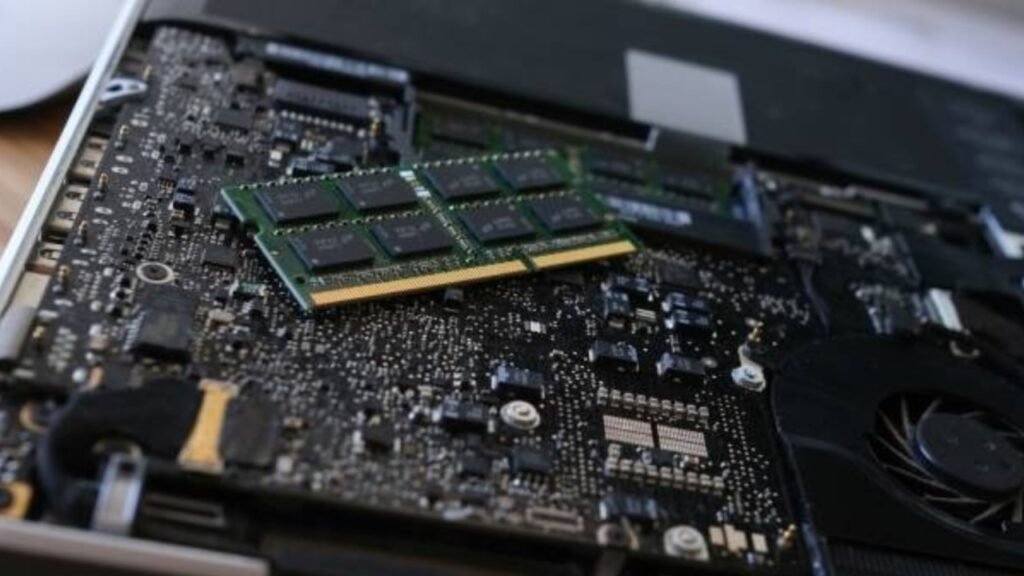
The reality has hit home for the consumers now, particularly for the PC builders. The online communities are now filled with disbelief as DDR5 memory kit prices have not just doubled/tripled, but have multiplied many times over. DDR5 RAM’s 32GB kit, which could be purchased for under $100 earlier in 2025, was hovering over $379 in mid-December. Some premium RGB kits even crest $469.
To put it all in perspective, a PS5 Slim is now discounted to $399. As many frustrated users suggest, RAM previously was one of the least expensive things when they built a PC. However, now, it costs more than the price of the PS5.
This sentiment echoes all across social media, wherein the situation is now being described in dire terms. Budget PC is now like a luxury PC. And the luxury PC would now put one in bankruptcy.
The shock is now leading to widespread concerns about ripple effects, which are expected to extend beyond DIY builds. RAM storage is not just for PC. Gaming consoles could use it too, warn many, sparking fears about the availability of future hardware as well as a potential shift towards game streaming services.
The data confirms all this panic. As per industry tracking, contract prices for the DRAM have surged by approximately. 80% to now 100% in just December 2025.
Some pre-built PC companies like Maingear and CyberPowerPC have publicly warned their customers of the impending price hikes. They cite a 500% surge in global memory prices. It shows a clear trend—a component that was taken for granted is now becoming a prohibitive luxury, almost overnight.
But why are RAM prices skyrocketing
The root cause of this entire shortage is the huge shift in manufacturing priorities. It is driven by one single sector—Artificial Intelligence. The 3 companies that control approximately 95% of DRAM’s global market—SK Hynix, Samsung and Micron—are diverting the capacity of production away from the consumer-grade company to feed AI data centers insatiable demand.
These facilities need a huge amount of high-speed memory, particularly High Bandwidth Memory (HBM), DRAM’s specialized form. Now, with the AI firms making trillion-dollar commitments for the chips, the manufacturers are ensuring to logically chase the most lucrative contracts. It has left the consumer market with huge supply constraints. The situation got dramatically worse as Micron announced it will exit the consumer business entirely in 2026. As per reports, they will be discontinuing their Crucial brand to focus on “strategic customers in faster-growing segments”—the clear AI reference.
Also, the crisis is just expanding. Similar NAND flash chips that are used within SSDs are also getting sucked into the AI vortex and enterprise. There are reports of contract prices spiking by approximately. 246% since early 2025. Such a one-two punch on storage and memory means the cost of virtually all tech devices—smartphones, laptops and more is poised to rise quite significantly within the coming months.
Will this end: What’s the road ahead?
Predicting the end of this crisis is just difficult, and experts aren’t that optimistic. Some in the industry, like Team Group, a RAM manufacturer, warn that this is just the start of a multiyear memory upcycle, with the conditions expected to worsen within early 2026 as the existing stockpiles would deplete. Some major manufacturers like SK Hynix even reportedly indicated that constrained supply for the standard DRAM will last until 2028.
The solutions are now long-term. Building some new fabrication plants will take years as well as billions of dollars, with a Micron facility existing in Japan not expected to produce chips till late 2028. The other potential relief valve—AI investment bubble deflation—would bring its widespread economic ramifications, even if it floods the market with huge memory supply.
As of now, the advice coming from industry insiders is just stark. Cameron Crandall, the SSD Business Manager from Kingston, reportedly suggested, “I think the best thing to do if you’re looking at upgrading your system is to do it now and not wait because prices are going to continue to go up.”
Within this new reality, a simple RAM upgrade will no longer be a trivial purchase but a huge financial decision.

